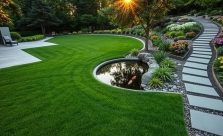

Your home’s outdoor space tells a story before anyone steps inside. Smart landscaping can turn your property into a dream home. It also makes your daily life better. Real estate experts say outdoor improvements can return 100 to 200 percent of your investment.
Today’s homebuyers look for more than just a house. They want outdoor spaces that fit their lifestyle. A well-designed yard shows you care about your property. You don’t need to spend a lot or hire experts to make a big difference.
The real estate market has changed a lot. Buyers now want homes with beautiful, functional yards more than ever. Outdoor living is key, not just a nice-to-have. Whether you’re selling soon or just want to enjoy your home more, landscaping improvements help right away.
This guide offers practical, budget-friendly landscaping tips. You’ll learn how to make your home more appealing without spending a lot. Each section has ideas you can do yourself or get professional help for. Ready to make your property shine? Let’s dive into the best landscaping ideas to increase your home’s value.
Key Takeaways
- Quality landscaping delivers 100 to 200 percent return on investment for homeowners
- Curb appeal directly influences buyer interest and final home sale prices
- Budget-friendly upgrades can create dramatic improvements in property value
- Outdoor living spaces rank among today’s most desired home features
- Sustainable landscaping practices attract eco-conscious modern buyers
- Professional hardscaping and lighting enhance both beauty and home security
- You don’t need unlimited funds to implement valuable home value improvement projects
Why Curb Appeal Matters for Your Property Value
Your home’s first impression is key. Buyers judge your home in seconds. A good curb appeal can make them want to see more.
Imagine seeing a yard with dead grass and overgrown bushes. What do you think of the house? People often think it’s not well taken care of. A nice yard shows you care about your home.
Studies show landscaping can boost your home’s value by 5-11%. It’s a smart investment. Outdoor improvements are cheaper but offer big returns.
Real estate agents have noticed something important:
- Homes with great curb appeal sell quicker
- They get more offers
- Buyers are less likely to negotiate
- They spend less time on the market
Look at your home from a buyer’s view. Park across the street and take a good look. Notice the lawn, hedges, flowers, walkways, and entrance. These details say a lot before you even enter.
Investing in curb appeal is more than looks. It’s a smart move that keeps and grows your home’s value.
Creating an Inviting Front Yard That Attracts Buyers
Your front yard is like the first greeting to visitors and buyers. A well-designed entrance makes a lasting impression. It can influence their decision to buy. Plants, colors, and layouts work together to draw people to your home.
Buyers form opinions quickly, making your front yard very valuable. It’s one of the most important parts of your home.
To make the most of your front yard, plan carefully and choose your design wisely. When buyers see your home, they notice everything. From plant placement to color, these details matter a lot.
Investing in good landscaping can increase your home’s appeal and value. It’s a smart move for your property.

Strategic Plant Placement for Maximum Impact
Creating depth and interest in your yard is key. Use the “triangle principle” to guide the eye through your landscape. Plant flowers and shrubs in odd-numbered groupings at different heights.
- Use tall plants and shrubs to frame your home and create natural boundaries
- Position medium-height plantings in mid-ground areas for layering effect
- Plant low-growing flowers and ground covers along borders and walkways
- Establish foundation plantings that soften transitions between home and landscape
- Maintain clear sightlines to your front door for welcoming appeal
- Avoid plants that obscure windows or architectural details
Choose plants that highlight your home’s features. Buyers like yards that are easy to see from the inside. Keep your plants spaced right to avoid looking too dense.
Color Schemes That Enhance First Impressions
Color theory is important for a great first impression. Warm colors like reds, oranges, and yellows add energy. Cool colors such as blues, purples, and whites bring calm.
| Color Combination | Effect on Buyers | Best Use |
|---|---|---|
| Purple and Yellow | Classic contrast with universal appeal | Foundation beds and focal points |
| Red and White | Patriotic elegance with strong presence | Entry plantings and borders |
| Blue and Silver | Sophisticated calm and relaxation | Backdrop plantings and accents |
| Orange and Purple | Bold energy with modern appeal | Highlight areas and transitions |
Match your plant colors with your home’s exterior. This makes your siding, trim, and door colors pop. Use seasonal annuals for continuous blooms to keep your yard looking fresh all year. This shows your home is well cared for, which can increase its value.
Low Maintenance Landscaping Solutions for Busy Homeowners
Today’s homeowners have busy lives. They work, take care of family, and have other commitments. Finding time for yard work seems impossible. That’s why smart buyers look for properties that look great without needing endless weekend work.
Low maintenance landscaping ideas are the answer. They keep your yard looking beautiful all year without taking up too much of your time. You won’t have to spend hours pulling weeds, pruning plants, or calling expensive landscapers.
Low maintenance landscaping ideas are loved by many. Busy professionals save time. Retirees enjoy their yards without getting tired. Real estate investors know that easy-care landscapes attract more buyers. A well-kept property without constant upkeep boosts its value.

To create a low-maintenance yard, make smart choices. Here are some effective strategies:
- Spread quality landscape fabric and mulch around plants to stop weeds from taking over
- Plant perennials instead of annuals to eliminate seasonal replanting work
- Choose slow-growing shrubs that need minimal pruning throughout the year
- Install hardscaping features like decorative rock gardens or gravel pathways
- Select native plants naturally adapted to your local climate and rainfall
- Add automatic irrigation systems with smart controllers that adjust watering based on weather
Ground covers are great for hard-to-reach spaces. Plants like creeping thyme, sedum, and clover need little care. Grouping plants by their water and sunlight needs makes maintenance easier. This method, called hydrozoning, helps you water and care for plants more efficiently.
| Strategy | Time Commitment | Annual Cost | Visual Appeal |
|---|---|---|---|
| Mulch and Landscape Fabric | Low | Minimal | High |
| Native Plant Selection | Low | Minimal | High |
| Smart Irrigation Systems | Very Low | Moderate | High |
| Hardscaping Elements | Low | Moderate | Very High |
| Ground Cover Plants | Very Low | Low | High |
The biggest misconception about low maintenance landscaping ideas is that they sacrifice beauty for convenience. That’s not true. Many stunning landscapes are also easy to maintain when designed right. A well-planned yard with native plants, hardscaping, and smart irrigation looks great without taking up your weekends. Your home becomes more attractive to buyers, and your life becomes simpler and less stressful.
Drought-Tolerant Plants That Boost Resale Value
Water conservation is now a key selling point for homes in America. Drought-tolerant plants are not just trendy; they’re a smart investment. Modern xeriscaping offers vibrant gardens that use less water.
Installing drought-tolerant plants saves money on water bills and maintenance. Many areas offer rebates for water-efficient landscapes. This attracts buyers who value saving money and the environment.

Native Species That Thrive in Your Climate
Native plants are perfect for drought-tolerant landscaping. They need little water once they’re established. They also support local wildlife, making them appealing to eco-conscious buyers.
Different areas have their own native plants:
| Region | Best Native Plants | Key Benefits |
|---|---|---|
| Southwest | Agave, Yucca, Desert Marigold | Extreme drought tolerance, bold visual impact |
| California | Manzanita, California Poppy, Sage | Fire-resistant, colorful blooms, wildlife support |
| Southeast | Beautyberry, Muhly Grass, Coreopsis | Vibrant colors, attract pollinators, adapts well |
| Northeast | Black-Eyed Susan, Switchgrass, Butterfly Weed | Hardy perennials, beautiful through seasons |
Water-Wise Garden Design Principles
Creating a water-wise garden is more than picking plants. It’s about designing them to work well together.
Follow these design tips:
- Group plants by their water needs so you water only when necessary
- Install drip irrigation systems that deliver water directly to roots
- Apply 2–4 inches of mulch to retain soil moisture and reduce evaporation
- Improve soil with compost to increase water retention naturally
- Replace large lawn areas with drought-tolerant ground covers and perennials
These steps create beautiful, low-maintenance landscapes. In areas with water restrictions, homes with sustainable landscaping are more attractive. This shows your home is efficient and eco-friendly. It makes your property stand out, increasing its value and appeal.
Budget-Friendly Landscape Upgrades With High ROI
You don’t need a lot of money to change your outdoor space. With smart planning and choices, anyone can make their yard look great. Most changes can even make your home worth more when you sell it.
Start with projects that make a big difference but cost little. For example, adding fresh mulch to your garden beds can look amazing for $100 to $300. Clean lines along walkways and garden beds also make a big impact without spending a lot. A simple power-wash of your driveway and walkways can also make them look new again for just a few hundred dollars.

Use the 80/20 rule for your landscape design. Spend 80% of your budget on the front yard. This is where you can make the biggest difference in how your home looks from the street.
Smart DIY Projects That Save Money
Many tasks are easy to do yourself and save money. You can spread mulch, plant flowers and small shrubs, install basic lights, and build simple raised beds. These tasks don’t need a lot of skill but make a big difference.
- Spread mulch in planting beds yourself
- Plant perennials and annual flowers
- Install simple pathway lighting
- Build basic raised garden beds
- Power-wash outdoor surfaces
Budget-Stretching Strategies
Buying things at the right time can save you money. Look for sales at the end of the season for plants. Start some plants from seeds or cuttings to grow more. Swap plants with neighbors to get more for less.
Choose affordable materials for your landscape. Pea gravel is cheap for pathways and looks good. Composite edging is durable and cheaper than stone. Pick fast-growing plants to quickly fill your space and show off your design.
| Landscape Project | Estimated Cost | Difficulty Level | ROI (Return on Investment) |
|---|---|---|---|
| Fresh mulch application | $100-$300 | Easy | High |
| Edging installation | $75-$200 | Easy | High |
| Power-washing surfaces | $150-$400 | Easy | Very High |
| Perennial planting | $50-$150 per area | Easy | High |
| Basic landscape lighting | $200-$500 | Moderate | High |
| Raised garden beds | $100-$300 | Moderate | Medium |
Know when to hire professionals. Big jobs like grading, installing irrigation, and removing big trees need experts. These jobs protect your property value. Do smaller tasks yourself to save money and keep quality high.
Even small landscape changes can bring big returns. They are smart upgrades for your home.
Good landscape design doesn’t have to cost a lot. Small investments in the right places can make a big difference. Your home will look better and be more attractive to buyers without breaking the bank.
Outdoor Living Spaces That Buyers Love
Today, buyers look for more than just a house. They want a complete lifestyle. Outdoor living spaces have become key features that change how people enjoy their homes. These areas extend your living space and create valuable entertainment zones.
Well-designed outdoor spaces can increase your property’s value by thousands of dollars. Buyers see these areas as additional rooms, not just empty yards.
The shift toward outdoor living shows changing priorities. People spend more time at home with family and friends. A thoughtful outdoor space design meets this demand. Properties with quality outdoor areas sell faster and command higher prices.
This section explores how to create outdoor spaces buyers genuinely love.
Patio and Deck Design Ideas
Your choice of materials shapes both style and maintenance requirements. Different deck and patio options offer distinct advantages for your outdoor space design.
| Material | Cost Level | Maintenance | Lifespan | Best For |
|---|---|---|---|---|
| Composite Decking | Moderate to High | Low | 25-30 years | Modern, low-maintenance homes |
| Natural Wood | Moderate | High | 15-20 years | Traditional, classic aesthetics |
| Stamped Concrete | Moderate | Moderate | 25-30 years | Contemporary designs |
| Natural Stone Pavers | High | Low | 30+ years | Upscale, elegant properties |
| Permeable Pavers | Moderate to High | Low | 20-25 years | Eco-conscious buyers |
Size matters for functionality. Aim for at least 12 by 12 feet for basic use. Spaces of 16 by 20 feet work better for entertaining. Larger patios feel more inviting and useful to buyers.
Consider these design elements that boost appeal:
- Built-in seating with storage underneath
- Pergolas or shade structures for protection
- Outdoor kitchens or grilling stations
- Fire pits or fireplaces for ambiance
- Smooth transitions with French doors or sliding glass doors
Creating Functional Entertainment Areas
The best outdoor space design separates your yard into purpose-driven zones. Buyers respond to clearly defined areas more than empty decks.
Create distinct zones in your outdoor space design:
- Dining Zone – Table and seating near the kitchen or grill
- Lounging Area – Comfortable seating for conversations and relaxation
- Cooking Station – Grill, prep space, and storage for supplies
- Gathering Spot – Fire pit or focal point for evening entertainment
Lighting transforms your outdoor space design for evening use. String lights, pathway lights, and accent lighting create atmosphere. Proper lighting extends usable hours and enhances safety.
Weather protection increases comfort. Pergolas, umbrellas, or covered sections shield guests from sun and light rain. Cushioned furniture showcases the space during home showings. Weather-resistant pieces from brands like Polywood or Restoration Hardware demonstrate quality without requiring constant maintenance.
Storage solutions matter too. Hidden benches and deck boxes keep cushions, games, and entertaining supplies organized. Buyers appreciate functional design that reduces clutter.
Outdoor living spaces consistently rank among top buyer requests. A well-executed outdoor space design significantly differentiates your property in competitive markets. Invest in these areas, and you’ll see returns when you sell.
The Power of Professional Hardscaping
Hardscaping is the permanent, non-living parts of your outdoor area. It includes pathways, retaining walls, patios, and decorative stonework. Unlike plants, hardscaping stays the same all year, adding beauty and structure.
Professional hardscaping makes your outdoor space more inviting. A well-designed patio turns into an outdoor room. Walkways guide visitors, while retaining walls add beauty and manage slopes. These features make your home more functional and appealing.

Popular Hardscaping Elements With Strong ROI
Some hardscaping features greatly increase your property’s value. Here are some top choices:
- Entryway walkways at least 4 feet wide for comfortable two-person walking
- Stone or brick borders that define planting beds and lawn areas
- Decorative stone pillars flanking driveways or entrances
- Professional paver patios for entertaining and relaxation
- Retaining walls creating level planting areas on sloped properties
Material Choices for Your Landscape
| Material Type | Visual Appeal | Durability | Best For |
|---|---|---|---|
| Natural Flagstone | Premium, elegant | Excellent | High-end properties |
| Pavers | Versatile, modern | Very good | Patios and pathways |
| Brick | Classic, warm | Excellent | Traditional homes |
| Poured Concrete | Clean, simple | Good | Budget-conscious projects |
Professional installation is key. Experts prepare the base and ensure proper drainage. This prevents damage and ensures a long-lasting look. While DIY saves money, professional work is more durable and looks better.
Balancing Hardscaping and Softscaping
The best landscapes mix hardscaping with plants. Aim for 60-70% softscaping and 30-40% hardscaping. This balance avoids a bare look and adds depth.
Landscaping upgrades with hardscaping can recoup 50-100% of costs at resale. They also enhance your daily life. Hardscaping is great in harsh climates, keeping its beauty all year.
Investing in professional hardscaping turns your outdoor space into a valuable asset. It attracts buyers and boosts your home’s appeal for years.
Lighting Design That Transforms Your Outdoor Space
Outdoor lighting is key to curb appeal landscaping. It keeps your home looking great even after dark. A well-planned lighting system makes your home shine at night, impressing buyers.
Professional lighting systems are a smart investment. They cost between $2,000 and $5,000 but boost your home’s appeal at night. LED lights are affordable and save energy. Smart systems with timers and apps make lighting easy and efficient.

Pathway and Accent Lighting Options
Pathway lights are both useful and beautiful. Place low-voltage LED lights 6 to 8 feet apart for safe paths. Solar-powered lights are a budget-friendly option for new landscaping projects.
Accent lighting adds drama and elegance to your design:
- Uplighting highlights trees and buildings from below
- Downlighting creates a moonlight effect from above
- Spotlighting focuses on plants and water features
- Wash lighting softly lights up walls and fences
Warm white lights, between 2700K and 3000K, are inviting. Cool white lights can feel cold and unwelcoming.
Security and Aesthetic Benefits Combined
Landscape lighting is great for security and looks:
It keeps intruders away and makes your home beautiful at night. Well-lit homes are safer and more appealing to buyers. Motion-sensor lights near doors add security without wasting energy.
| Lighting Feature | Security Benefit | Aesthetic Benefit |
|---|---|---|
| Entry Point Lighting | Illuminates approaches and prevents concealment | Welcomes guests with inviting entrance appearance |
| Pathway Lights | Prevents trips and falls on walkways | Guides visitors with elegant line of light |
| House Number Illumination | Aids emergency responder identification | Highlights address with professional detail |
| Motion-Sensor Fixtures | Detects movement and deters trespassers | Activates only when needed for efficiency |
| Accent Lighting | Shows no dark spots on property | Showcases landscaping features at night |
Installation needs careful wire burial to avoid hazards. Keep transformers hidden and accessible. LED lights last long and save energy. Professional installers ensure your system works well for years.
Landscaping Ideas That Increase Home Value
You’ve learned about many ways to improve your outdoor space. Now, let’s explore specific landscaping ideas that boost your home’s value. These projects are practical, fitting for most homes and budgets. Picking the right three to five improvements makes a big difference.
The best landscaping ideas focus on what buyers notice first. Small changes can add up quickly when done right. Your goal is to make your home stand out while staying within budget.

Let’s organize your options by budget. This helps you find projects that fit your wallet and timeline.
| Budget Range | Landscaping Ideas | Impact Level | Time to Complete |
|---|---|---|---|
| Under $500 | Fresh mulch, window boxes, house numbers, mailbox upgrade | High | 1-2 days |
| $500-$2,000 | Defined entrance with plantings, garden arbor, container gardens, lawn edging | High | 2-4 days |
| $2,000-$5,000 | Decorative fence section, water feature, flowering tree, rock garden | Very High | 1-2 weeks |
Start with quick wins. Dark mulch in your flower beds gives an instant refresh. Stylish house numbers and an upgraded mailbox catch attention. Window boxes with seasonal flowers add cottage charm that buyers love.
Next, build your curb appeal with structure. A defined entrance using flanking plantings or pillars creates a welcoming feel. A garden arbor or trellis serves as an architectural focal point. These landscaping ideas that increase home value work because they show care and attention.
- Add a small water feature for sensory appeal
- Create clean lawn edges between grass and beds
- Plant a flowering tree as a focal point
- Place container gardens on porches or patios
- Build a rock garden for low-maintenance texture
- Install a small herb or vegetable garden
Remember, your home doesn’t need every improvement. Pick projects that address your home’s weakest spots. Focus on what matches neighborhood standards. Timing matters too—complete major work before listing your home.
These landscaping ideas that increase home value work best when they feel natural for your property. Choose improvements that match your home’s style and the area where you live. Smart selections boost both appeal and resale value.
Tree Selection and Placement for Long-Term Value
Trees are a smart investment for your property. Mature trees can boost your home’s value by $1,000 to $10,000. This depends on the tree’s type, size, and where it’s placed. Young trees show that you’ve thought about the future of your landscape.
Where you place trees is key. Put shade trees on the south and west sides to save on cooling costs. Ornamental trees should be in the front yard to catch the eye. Make sure trees are 10 to 20 feet from your foundation to avoid damage. Also, keep them away from power lines and underground utilities.

Choosing the right trees for your area is important. Here are some good options:
- Shade trees: Red maple, oak varieties, and elm trees are good for most U.S. regions
- Ornamental appeal: Flowering dogwood, Japanese maple, crape myrtle, and magnolia add beauty
- Fast growth: Red maple, river birch, and hybrid poplar grow fast for quick value increase
- Fall color: Sugar maple and sweet gum offer amazing fall colors
The size of your trees should match your yard. Big shade trees are best for large yards. Medium ornamental trees are good for typical suburban lots. Small flowering trees are perfect for small spaces.
Buy bigger trees with a 1.5 to 2 inch caliper for quicker impact. Trees from the nursery do better than field-dug ones. Plant in fall or early spring for better root growth. Avoid planting too many trees together or choosing the wrong species for your area. Trees get more valuable as they grow, making them a smart choice for improving your home’s value over time.
Sustainable Landscaping Practices Modern Buyers Appreciate
Today’s homebuyers want more than just good looks. They look for homes with sustainable features that help the planet and save money. Younger buyers, in particular, see green landscaping as a smart choice. They seek homes with water-saving systems and eco-friendly outdoor designs.
Green landscaping is not just about caring for the environment. It also saves money on water and yard work. It makes homes more attractive to buyers who are willing to pay more for eco-friendly homes.
Eco-Friendly Materials and Methods
Starting with sustainable outdoor design means choosing the right materials. Organic mulches like shredded bark improve soil as they break down. Permeable paving lets water soak into the ground, reducing runoff and managing stormwater.
Other eco-friendly steps include:
- Using recycled or reclaimed materials for outdoor projects
- Practicing integrated pest management to cut down on chemicals
- Composting yard waste for natural fertilizer
- Choosing electric or manual tools over gas-powered ones
- Keeping grass at 3-4 inches to promote health and drought resistance
- Planting native flowers to support bees and butterflies
Organic lawn care avoids synthetic fertilizers and pesticides. Leaving grass clippings on the lawn adds nutrients to the soil. This approach saves money and supports soil health.
Rain Gardens and Water Management Systems
Rain gardens are a smart choice for modern landscaping. These shallow depressions catch stormwater, filter it, and recharge groundwater. They also add beauty to the landscape.
To make rain gardens work, you need to:
- Place them at least 10 feet from home foundations
- Size them to catch runoff from specific areas
- Use water-tolerant native plants like cardinal flower or blue flag iris
- Install rain barrels for roof runoff
- Use swales to direct water
Many places offer discounts or credits for rain gardens and permeable paving. These incentives make eco-friendly landscaping more affordable. They show a commitment to the environment that can increase a home’s value.
Conclusion
You’ve learned about smart landscaping ideas that boost your home’s value. This knowledge gives you an edge over many homeowners. Your outdoor space is key for first impressions.
By taking action now, you’re creating beauty and value for the future. The article’s main points show how landscaping can make a big difference. It’s not just about looks; it’s about making your home more appealing to buyers.
Landscaping can fit any budget, and modern buyers love low-maintenance and eco-friendly options. Investing in your yard can pay off big time. You’ll enjoy your yard more today and increase your home’s value tomorrow.
You don’t have to do everything at once. Start by imagining how your yard looks to a buyer. Identify what’s beautiful and what needs work. Choose a few projects that matter most to you.
Begin with simple things like mulch and fresh flowers for a quick improvement. For lasting results, consider professional hardscaping or new trees. Each step builds on the last, making your yard better and more valuable.
Start planning today. Sketch out your ideas and research plants that thrive in your area. Get quotes from local landscapers and visit garden centers. The best ideas are the ones you start working on. Your yard will become more beautiful and useful, and your home’s value will increase.
FAQ
How much can landscaping really increase my home’s value?
Landscaping can boost your home’s value by 100-200%. The National Association of Realtors says it can add 5-11% to your home’s value. This means a $5,000 investment could increase your home’s value by $5,000 to $10,000 or more.The exact return depends on your local market, the quality of work, and the improvements you choose.
What is curb appeal and why does it matter for selling my home?
Curb appeal is how attractive your home looks from the street. It’s very important because buyers judge your home in seconds. A good curb appeal can make buyers want to see more.Real estate agents say homes with great curb appeal sell faster and for more money. Landscaping is an affordable way to improve curb appeal and increase your home’s value.
What are the most important elements of front yard landscaping for attracting buyers?
Key elements include a well-kept lawn, trimmed hedges, and colorful plants. Clean walkways and an inviting entrance are also important. Use the “triangle principle” for professional appeal.Foundation plantings and clear sightlines to your door are essential. Choose plant colors that match your home’s colors. Warm colors like reds and oranges add energy, while cool colors like blues provide sophistication.
Is low-maintenance landscaping a good choice for buyers?
Yes, low-maintenance landscaping is very appealing. Modern lifestyles mean less time for gardening. Buyers want easy-to-maintain properties.Strategies include using quality mulch, choosing perennials, and installing automatic irrigation. Low-maintenance landscaping doesn’t mean it can’t be beautiful.
What is drought-tolerant landscaping and why is it valuable for resale?
Drought-tolerant plants need little water and are perfect for water-saving landscaping. They’re valuable because water restrictions are common. Environmentally conscious buyers appreciate them.Native plants support local wildlife and can save on water bills. They also qualify for rebates in some areas.
What budget-friendly landscape upgrades deliver the highest ROI?
Adding fresh mulch is a quick and affordable way to improve your yard. Other good options include clean edging, power-washing, and strategic planting.Focus on the front yard and most visible areas for the best impact. DIY projects can save money. Even small investments can return 100% or more.
How can outdoor living spaces increase my home’s value?
Outdoor living spaces are now a must-have feature. They extend your home’s usable space and appeal to buyers. A 12×12 foot patio is a good starting point.Features like built-in seating and outdoor kitchens enhance appeal. Outdoor spaces can significantly differentiate your property.
What is hardscaping and why does it command premium value?
Hardscaping includes permanent elements like pathways and retaining walls. It adds structure and requires little maintenance. It solves problems like drainage and creates defined spaces.High-ROI elements include walkways, retaining walls, and decorative stonework. Material choices like flagstone and brick add value. Professional installation ensures quality and longevity.
How does landscape lighting impact home value and curb appeal?
Landscape lighting transforms outdoor spaces and creates stunning curb appeal at night. It makes your home stand out and creates memorable impressions. Pathway lighting ensures safe navigation.Accent lighting highlights trees and architectural features. It serves dual purposes: security and ambiance. Landscape lighting is relatively affordable and has a big impact on curb appeal.
What specific landscaping ideas work best for different budgets?
Under $500, you can add mulch, edging, and a few perennials. $500-2,000 projects include power-washing and installing window boxes. $2,000-5,000 projects include patios, lighting, and hardscaping.Focus on your home’s weaknesses or strengths. Prioritize 3-5 projects for better results. Remember, the 80/20 principle applies: focus on the front yard and most visible areas.
How does tree selection and placement impact long-term home value?
Mature trees can add $1,000-10,000 to your home’s value. Even young trees show thoughtful planning. Strategic placement is key.Position shade trees to reduce cooling costs. Ornamental trees create focal points. Trees increase in value as they grow, making them a wise investment.
What sustainable landscaping practices do modern buyers appreciate?
Buyers, like Millennials and Gen Z, seek eco-friendly homes. Practices include organic mulch, permeable paving, and integrated pest management. Organic lawn care and pollinator-friendly landscaping are also popular.Rain gardens capture and filter stormwater runoff. They create beautiful features and can save money. Sustainable landscaping is attractive and financially beneficial.
What is a rain garden and how does it benefit my property?
A rain garden is a shallow depression with water-tolerant plants. It captures and filters stormwater runoff. Rain gardens reduce water pollution, recharge groundwater, and create beautiful focal points.They can qualify for stormwater utility discounts. Rain gardens are attractive to environmentally conscious buyers. They’re a valuable feature in water-scarce regions.
How should I assess my property to prioritize landscaping improvements?
View your home from the street like a buyer would. Identify what catches your eye. Consider your home’s condition, neighborhood standards, and selling timeline.Focus on 3-5 projects that address weaknesses or enhance strengths. Get professional advice for major projects. Phasing improvements can spread costs and improve appeal over time.
Why is professional installation worth the investment for major landscaping projects?
Professional installation ensures quality and longevity. It prevents mistakes that can cost a lot. For complex projects like irrigation systems and hardscaping, professionals are essential.While professionals cost more, their work is worth it. For smaller projects, DIY can save money. Choose the right expertise for your project.
What role does property value landscaping upgrades play in different real estate markets?
Landscaping value varies by market and regional priorities. In competitive markets, curb appeal is key. In water-scarce areas, drought-tolerant landscaping is valuable.Suburban areas value outdoor spaces and shade trees. Urban areas appreciate container gardens and hardscaping. Luxury markets seek sophisticated landscaping. Sustainable practices appeal to environmentally conscious buyers.
Should I hire a professional landscape designer for my improvements?
Hire a professional for major overhauls or challenging sites. They ensure cohesive design and proper maintenance. For smaller projects, DIY can be sufficient.Even a consultation with a professional can be helpful. Consider your budget and project scope when deciding on professional design services.