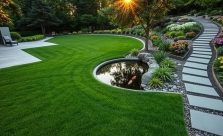
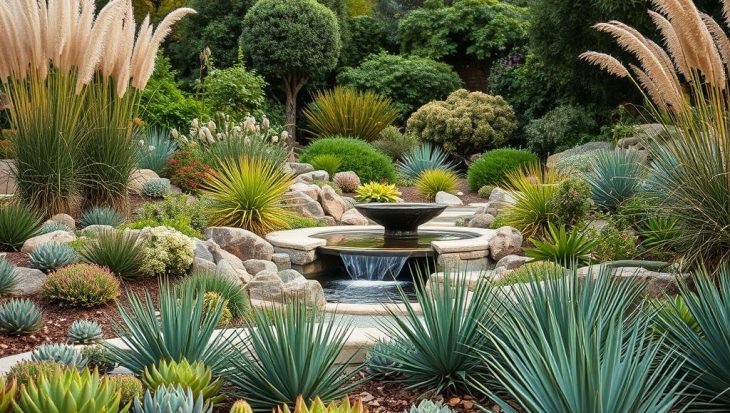
Busy homeowners are finding out about low maintenance landscaping ideas. These ideas make outdoor spaces look great without needing a lot of work. Your yard can be a beautiful, relaxing place that doesn’t take hours to care for every week.
Modern landscaping techniques let you create stunning yards that save time, money, and energy. Easy landscaping tips can turn even tough outdoor spaces into calm, easy-to-care-for areas that look like they were designed by pros.
Imagine stepping outside to a yard that looks perfect and takes care of itself. With the right planning and plant choices, you can have a stunning landscape that needs very little upkeep.
Key Takeaways
- Reduce yard maintenance time by up to 70%
- Choose native plants adapted to local conditions
- Implement smart irrigation strategies
- Select drought-tolerant plant species
- Design with simplicity and efficiency in mind
Understanding Low Maintenance Landscaping

Creating a beautiful outdoor space doesn’t have to mean endless hours of yard work. Low maintenance garden design offers homeowners a smart solution. It lets them enjoy stunning landscapes with minimal effort. These innovative landscaping approaches transform traditional yard care into simple yard upkeep tricks.
What Makes Landscaping Low Maintenance?
Low maintenance landscaping focuses on strategic design principles. It reduces ongoing care requirements. Key elements include:
- Selecting native plant species adapted to local climate conditions
- Implementing efficient irrigation systems
- Using drought-resistant plants
- Incorporating hardscaping elements
- Minimizing lawn areas
“The secret to a beautiful yard is working smarter, not harder.” – Landscape Design Expert
Benefits of Low Maintenance Yards
Embracing low maintenance garden design provides numerous advantages for homeowners. Reduced water consumption stands out as a primary benefit. It helps conservation efforts while lowering utility costs.
Homeowners can reclaim weekends traditionally spent on yard work. They can enjoy more leisure time with less physical labor. Financial savings extend beyond water bills. Lower maintenance requirements mean reduced expenses for tools, fertilizers, and professional landscaping services.
Well-designed low maintenance yards can also increase property value. They create an attractive, sustainable outdoor space. This appeals to both current and future homeowners.
Key Elements of Low Maintenance Landscaping
Creating a stunning yard doesn’t mean spending endless hours on upkeep. Low maintenance landscaping features can transform your outdoor space into a beautiful, effortless retreat. For beginners looking to design a practical landscape, understanding key principles is essential.
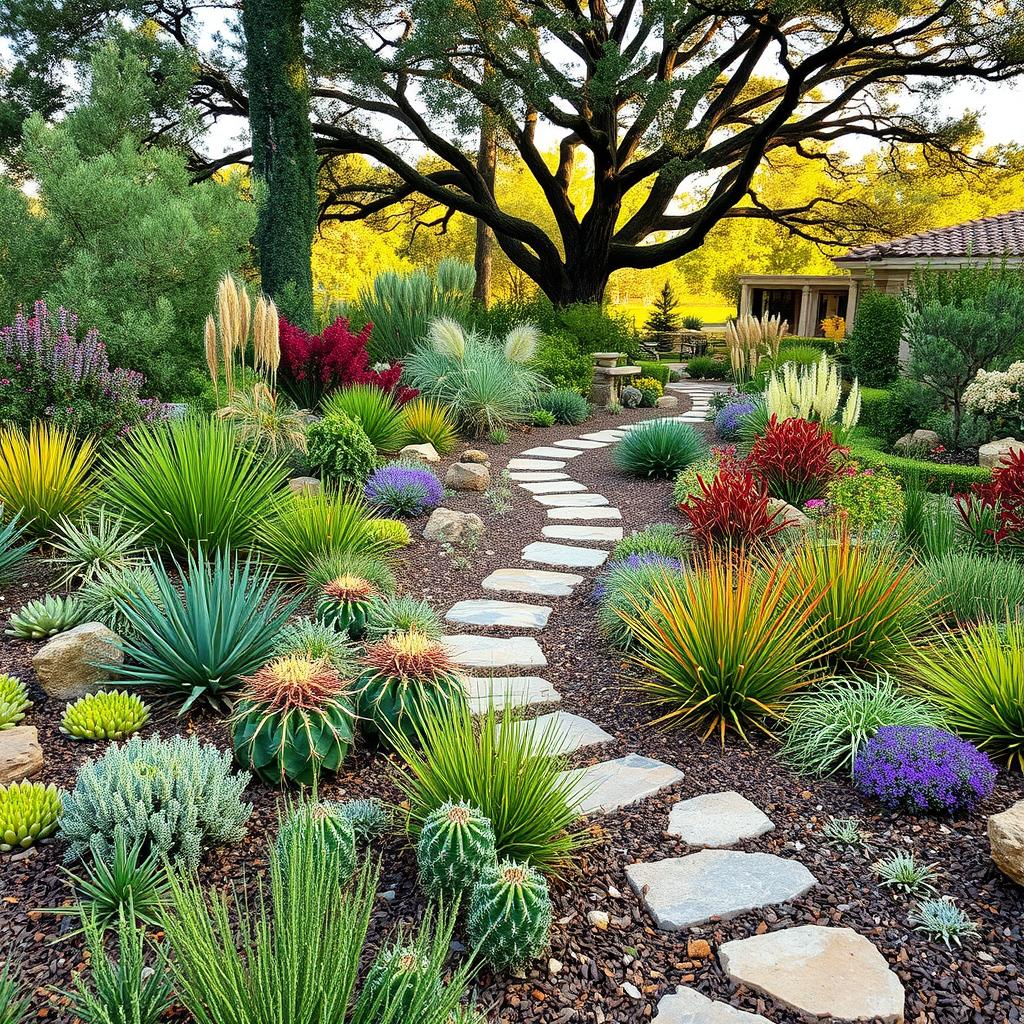
Successful low maintenance landscaping for beginners starts with smart design strategies. These strategies minimize work while maximizing visual appeal. The right approach can dramatically reduce your yard’s maintenance requirements.
Simple Design Principles
Effective low maintenance landscaping features rely on several core design principles:
- Create defined zones with clear boundaries
- Use geometric shapes for clean, structured layouts
- Group plants with similar water and sunlight needs
- Minimize complex garden beds and intricacies
Choosing the Right Materials
Material selection plays a critical role in reducing landscape maintenance. Smart choices can significantly cut down on future work and expense.
- Hardscaping materials: Select durable options like:
- Concrete pavers
- Natural stone
- Gravel pathways
- Opt for native ground covers that spread naturally
- Use long-lasting mulch to suppress weeds and retain moisture
By implementing these low maintenance landscaping features, even beginners can create a stunning outdoor space. This space requires minimal effort and looks great year-round.
Drought-Tolerant Plants for Your Yard
Creating a stunning landscape with low maintenance plants is possible. Drought-resistant landscaping is a smart choice for saving water and reducing yard work. These plants turn your outdoor space into a vibrant, sustainable garden that needs little care.
Choosing the right drought-tolerant plants cuts down water use while keeping your yard looking great. There are many species that do well in dry conditions.
Top Drought-Tolerant Plant Species
- Lavender – Fragrant and colorful, thrives in full sun
- Sage – Beautiful purple blooms with minimal water needs
- Yarrow – Clusters of tiny flowers that attract pollinators
- Russian Sage – Silvery foliage with purple flower spikes
- Rosemary – Aromatic herb that doubles as a landscape plant
Incorporating Succulents and Cacti
Succulents and cacti are great for drought-resistant landscaping. They store water in their leaves and stems, making them ideal for low maintenance. They come in many shapes, sizes, and colors, adding interest with little effort.
- Arrange succulents in rock gardens
- Create striking container displays
- Use as ground cover in sunny areas
- Mix different varieties for texture and color
By picking drought-tolerant plants, you’ll have a beautiful, water-saving landscape. It saves time, money, and water.
Hardscaping Options to Reduce Upkeep
Low maintenance landscaping ideas often include hardscaping elements. These elements reduce garden work and create beautiful outdoor spaces. Hardscaping is a smart way to lower yard maintenance without losing beauty.

Hardscaping has many benefits for low maintenance landscaping. It cuts down on regular yard work. It also makes outdoor spaces structured and beautiful.
Paving Stones and Patios: Durable Design Solutions
Choosing the right paving materials can greatly reduce landscape maintenance. Here are some top hardscaping options:
- Concrete pavers with interlocking designs
- Natural stone pathways
- Permeable paving systems
- Stamped concrete surfaces
Gravel and Rock Features: Minimalist Landscape Design
Rock features are great for low maintenance landscaping. They add texture, drainage, and interest with little upkeep.
| Rock Feature | Maintenance Level | Visual Impact |
|---|---|---|
| Dry Creek Beds | Very Low | High |
| Rock Gardens | Low | Medium |
| Decorative Border Stones | Minimal | High |
“Hardscaping transforms outdoor spaces into low-maintenance, beautiful environments that require minimal effort.” – Landscape Design Experts
Pro tip: When installing hardscaping features, prioritize proper drainage and use landscape fabric to prevent weed growth. This keeps your low maintenance landscaping easy and attractive.
Native Plants: The Best Choice for Low Maintenance
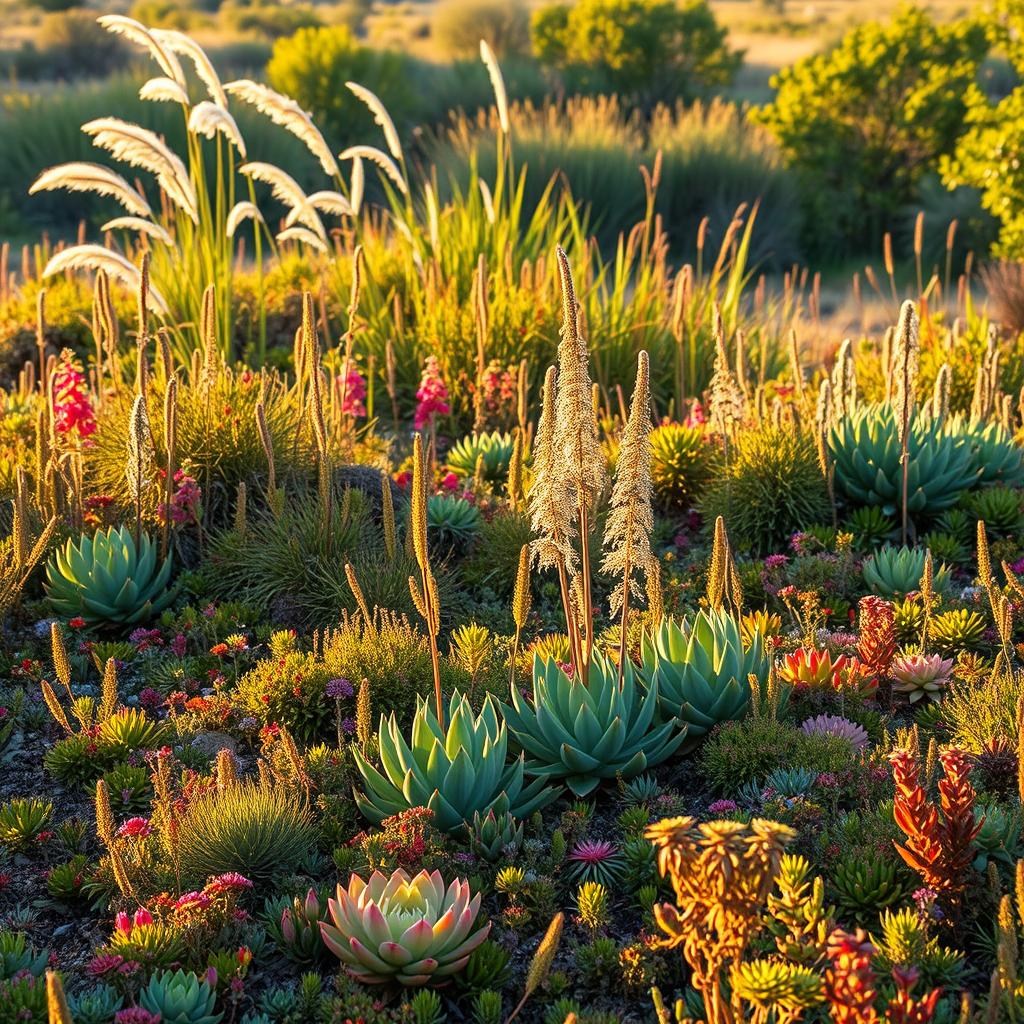
Creating a stunning landscape doesn’t have to be complicated. Native plants are the perfect choice for those looking for easy landscaping tips. They thrive with minimal effort.
Native plants are nature’s perfect landscape design solution. They are naturally adapted to local climate conditions. This makes them incredibly resilient and low maintenance. By choosing native species, gardeners can reduce water consumption and minimize pest problems. They also create a sustainable outdoor environment.
Advantages of Native Plant Selection
- Naturally resistant to local pests and diseases
- Require less water and fertilization
- Support local wildlife and pollinators
- Adapt quickly to regional environmental conditions
Top Native Plant Options for Different Regions
Selecting the right native plants depends on your specific geographic location. Here are some popular options for various US regions:
- Southwest: Agave, Prickly Pear Cactus
- Pacific Northwest: Oregon Grape, Salal
- Southeast: Black-Eyed Susan, Beautyberry
- Northeast: Purple Coneflower, Wild Geranium
“Native plants are the backbone of an ecological landscape design” – Native Plant Trust
Integrating native plants into your landscaping strategy simplifies maintenance. It creates a beautiful, environmentally friendly outdoor space. These low maintenance landscaping plants not only reduce your gardening workload. They also contribute to local ecosystem health.
Efficient Irrigation Systems
Water management is key for a beautiful yard. Smart irrigation systems cut down water use and make yard care easier. They are great for those looking for drought-resistant landscaping ideas.
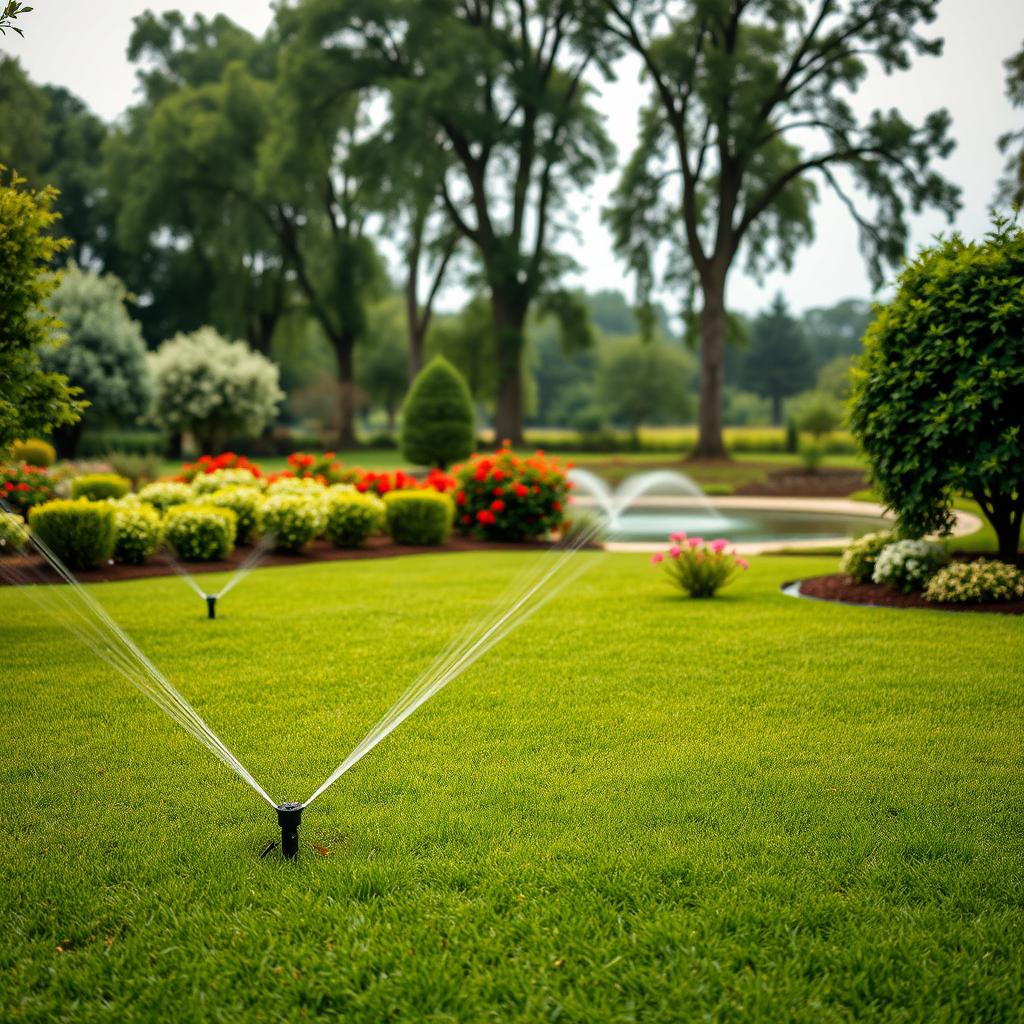
New ways to save water have changed how we water our gardens. Modern irrigation systems help save water and keep plants healthy and green.
Drip Irrigation Basics
Drip irrigation is a big change in watering landscapes. It waters plants right at the roots. This cuts down on evaporation and makes sure plants get the right amount of water.
- Targets plant roots precisely
- Reduces water waste by up to 50%
- Minimizes weed growth
- Decreases risk of plant diseases
Rainwater Harvesting Techniques
Collecting rainwater is a green way to water your garden. Underground cisterns and rain barrels are good for catching and storing rainwater for your garden.
- Install rain collection systems
- Use food-grade storage containers
- Position collection points near garden areas
- Filter collected water before use
“Water-smart landscaping isn’t just about conservation—it’s about creating sustainable, beautiful outdoor spaces.” – Landscape Design Expert
Using these smart irrigation methods, homeowners can create strong, low-maintenance gardens. These gardens need little care but are good for the environment.
Creating a Low Maintenance Garden Design
Designing a low maintenance garden needs careful planning and smart choices. Homeowners can turn their outdoor areas into stunning, easy-to-care-for spaces. This is done by following key principles of low maintenance garden design.

When working on small yards, using space wisely is key. The right design can make small areas feel big and need little care.
Strategic Layout Planning
Starting a low maintenance garden involves smart layout planning:
- Analyze sun exposure and existing terrain
- Define functional zones within your yard
- Select plants suited to your specific microclimate
- Minimize complex garden bed shapes
Minimalist Garden Concepts
Minimalist garden ideas aim for simplicity and less upkeep. Important strategies include:
- Using native, drought-resistant plants
- Incorporating hardscaping elements
- Creating clean, geometric design patterns
- Utilizing ground covers instead of traditional grass
Low maintenance garden design is not about losing beauty. It’s about making smart, lasting outdoor spaces. These spaces need little care but offer great beauty.
Importance of Mulching
Mulching is a key technique for easy landscaping tips. It makes yard maintenance simple. This trick can change your landscape and save time and effort.
Mulch protects your garden and offers many benefits. It keeps soil healthy and reduces yard work.
Types of Mulch for Low Maintenance Yards
- Organic Mulches
- Wood chips
- Bark fragments
- Leaf compost
- Inorganic Mulches
- Gravel
- Rubber mulch
- Stone fragments
Benefits of Using Mulch
| Benefit | Impact on Landscape |
|---|---|
| Weed Suppression | Blocks sunlight, preventing weed growth |
| Moisture Retention | Reduces water evaporation by up to 70% |
| Soil Temperature Regulation | Keeps soil cooler in summer, warmer in winter |
| Soil Health Improvement | Adds nutrients as organic mulches decompose |
“Mulching is like giving your garden a protective blanket that does all the hard work for you.” – Landscape Design Expert
Mulching is a top tip for easy landscaping. It helps homeowners keep their yards looking great with less effort. Choose the right mulch and apply it well for a beautiful, low-maintenance landscape.
Foliage Over Flowers: A Smart Choice
When designing your yard, picking the right plants is key. Foliage plants are a smart choice for stunning landscapes with little upkeep.
Choosing foliage over flowers has many benefits. These plants add interest without needing constant care.
Evergreens: The Backbone of Low-Maintenance Landscapes
Evergreen plants are great for low maintenance landscapes. They keep your yard looking good all year, needing little care. Some top picks include:
- Japanese Pieris
- Blue Spruce
- Boxwood shrubs
- Dwarf Cryptomeria
Benefits of Focusing on Foliage
Foliage plants bring many benefits to low maintenance yards:
- Consistent Visual Appeal: Keep color and texture all year
- Less Pruning Needed
- More Resistant to Pests
- Use Less Water
By picking the right foliage plants, you can have a beautiful yard with little effort. It’s all about knowing your plants and choosing the right ones for your climate and garden.
DIY Projects for Low Maintenance Landscaping
Turning your outdoor space into something beautiful doesn’t have to be hard or costly. You can start with simple DIY projects that are easy to do and look great. These tips will help you make your outdoor area stunning with little effort.
Installing a Rock Garden
Rock gardens are great for those who want a low upkeep outdoor space. They need little care and can make tough areas look beautiful.
- Select a sunny location with good drainage
- Clear existing vegetation and level the ground
- Add a landscape fabric to prevent weed growth
- Layer different sized rocks for visual interest
- Choose drought-resistant plants like sedums and alpine species
Building a Raised Garden Bed
Raised garden beds make gardening easier by reducing bending. They are perfect for those who want to keep their yard work low.
| Material | Cost | Durability |
|---|---|---|
| Cedar Wood | $50-$100 | 10-15 years |
| Composite Lumber | $100-$200 | 25-30 years |
| Concrete Blocks | $30-$80 | 50+ years |
When building your raised bed, remember these steps:
- Choose a level area with enough sunlight
- Pick materials that last long and don’t rot
- Make sure it’s deep enough for roots (12-18 inches)
- Use good, draining soil
- Plant easy-to-care-for plants and native species
Pro tip: Add a drip irrigation system to cut down on garden work. It keeps your plants healthy with little effort.
Seasonal Maintenance Tips
Creating a low maintenance landscaping design doesn’t mean zero work. Smart homeowners know that simple tricks can keep outdoor spaces looking great with little effort. Each season brings its own challenges and chances to keep your landscape in top shape.
Spring is the time for light pruning and basic garden prep. For beginners, focus on removing dead growth, checking irrigation, and adding mulch. This stops weeds and keeps soil moist during warm months. Quick checks on plant health and small adjustments can avoid bigger problems later.
Summer needs smart watering and pest watching. Use deep, infrequent watering to help plants grow strong roots. Choose plants that don’t need much water, like those native to your area. They’re perfect for easy-care landscapes.
Fall and winter are for protecting plants and planning for next year. Clean up leaves, trim back perennials, and mulch around roots. These steps get your landscape ready for winter and cut down on spring work. With careful design and occasional care, your landscape will stay beautiful all year.