
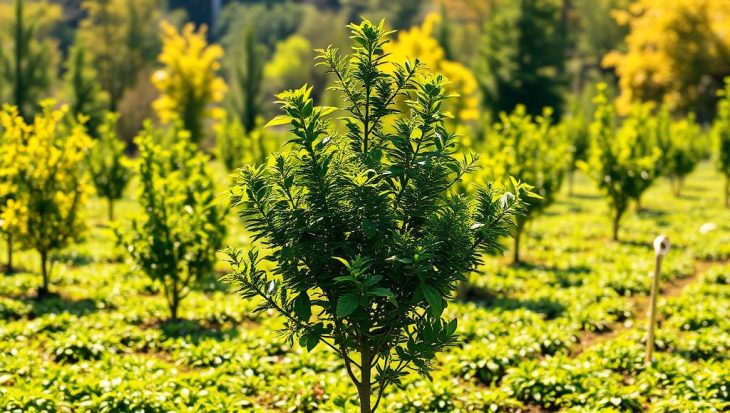
Trees are silent guardians of our planet. They offer incredible environmental benefits and change landscapes across the United States. Learning to plant and care for trees is more than a gardening skill. It’s a commitment to protecting our planet and living sustainably.
This guide will show you how to plant and care for trees. It’s for homeowners, gardeners, and nature lovers who want to help their local ecosystems. You’ll learn how to pick the right tree and how to keep it healthy for years.
Whether you’re planting your first tree or you’re an experienced landscaper, these tips will help. They’ll help you grow healthy, beautiful trees that make your property more attractive and valuable.
Key Takeaways
- Trees provide critical environmental benefits
- Proper selection and care are essential for tree health
- Understanding local climate impacts tree growth
- Tree planting requires strategic planning
- Ongoing maintenance ensures tree longevity
Why Trees Matter in Our Environment
Trees are silent guardians of our planet. They play a key role in keeping our environment balanced and supporting life. Learning about the benefits of tree planting can motivate us to help protect our environment.
Trees are more than just beautiful. They are vital environmental helpers. They offer many important services to our ecosystem.
The Role of Trees in Air Quality
Trees clean our air by filtering out harmful pollutants and making oxygen. Their ability to take in carbon dioxide is key to keeping our air clean. A single mature tree can:
- Absorb up to 48 pounds of carbon dioxide annually
- Produce oxygen for four people daily
- Remove significant amounts of air pollution
Trees and Climate Change Mitigation
Climate change is a big global problem. Trees are a strong tool in fighting it. They help by capturing and storing carbon dioxide, which lowers greenhouse gas levels in the atmosphere.
Biodiversity and Trees
Trees are home to many species. Forests and wooded areas offer habitats, food, and shelter for:
- Insects
- Birds
- Mammals
- Microorganisms
By understanding the important roles trees play, we can see their great value. We must protect and care for them.
Choosing the Right Tree for Your Space
Choosing the right tree for your yard is more than just picking a pretty one. It’s about understanding your yard and the trees that fit best. Knowing your yard and the trees you can choose is key.

Tree care involves many important factors. The tree you pick can change how your yard looks and feels. It can also affect the local wildlife and environment.
Factors to Consider When Selecting a Tree
- Available space and mature tree dimensions
- Local climate conditions
- Soil type and drainage
- Sunlight exposure
- Potential root system interference
Popular Tree Species for Different Climates
Every area needs trees that can handle its weather. Knowing your local weather helps pick the right tree. This ensures your tree will grow well and live long.
| Climate Zone | Recommended Tree Species |
|---|---|
| Northern Regions | Sugar Maple, Red Oak, White Pine |
| Southern Regions | Live Oak, Crepe Myrtle, Southern Magnolia |
| Arid Regions | Mesquite, Palo Verde, Desert Willow |
Native vs. Non-Native Trees
Native trees are great for your local area. Tree care techniques suggest choosing trees that are already there. They need less care and help local animals.
- Native trees support local biodiversity
- Require less water and fertilization
- Resist local pest populations more effectively
- Contribute to environmental conservation
By thinking about these points, you can pick a tree that makes your yard better. It will also help the environment.
The Right Time for Planting Trees
Choosing the best time to plant trees is key to their health and survival. Tree planting tips highlight the importance of timing. It helps grow strong, resilient trees that will flourish in your garden.
Tree planting involves understanding many factors. Your checklist should always consider seasonal and local climate changes.
Seasonal Planting Windows
Different seasons have their own benefits for planting trees:
- Fall Planting: Helps roots grow strong before winter
- Early Spring: Offers good weather and steady moisture
- Late Winter: Prepares trees for summer heat
Climate-Specific Considerations
Your local climate affects the best planting time. Areas with clear seasons need specific planting strategies.
Species-Specific Timing
Not all trees need the same planting time. Some species do better in certain seasons. Research is essential for their success.
“The right tree, in the right place, at the right time” – Urban Forestry Principle
Matching tree species with the right seasons and local conditions boosts their success. Gardeners can greatly improve their trees’ long-term health this way.
Preparing for Planting: Site Selection
Choosing the right spot for planting trees is key. The location greatly affects tree health and care. Good planning ensures your trees will grow well and add beauty to your landscape.
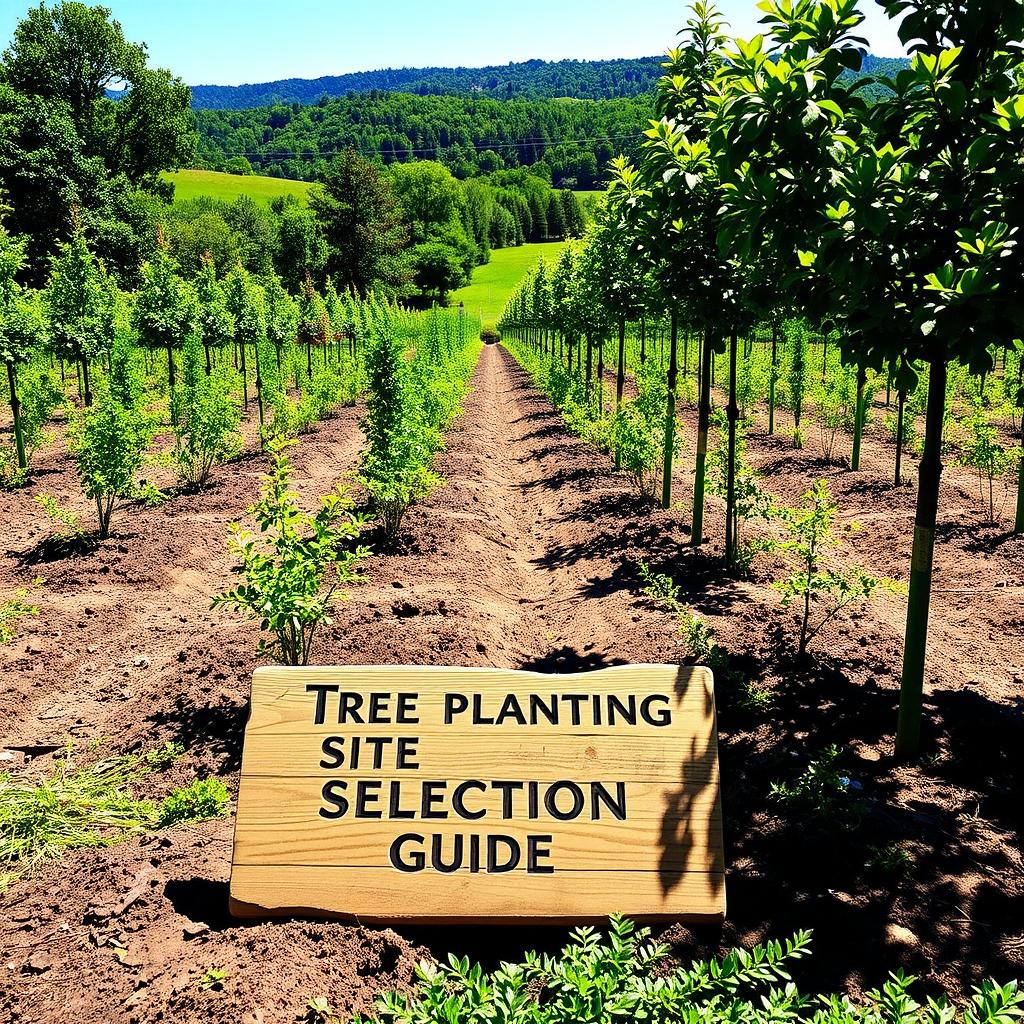
Before planting, several important factors need to be considered. Each one is vital for your tree’s growth and health.
Sunlight and Shade Requirements
Each tree species needs different amounts of sunlight. Knowing these needs is essential for tree care:
- Full sun trees need 6-8 hours of direct sunlight daily
- Partial shade trees do best with 4-6 hours of filtered sunlight
- Deep shade trees can survive with very little direct sunlight
Soil Testing and Preparation
Soil quality is very important for tree health. A soil test shows what nutrients and pH levels are like.
| Soil pH Level | Tree Growth Impact |
|---|---|
| Acidic (Below 6.0) | Limits nutrient absorption |
| Neutral (6.0-7.0) | Optimal nutrient availability |
| Alkaline (Above 7.0) | Reduces mineral uptake |
Drainage Considerations
Good drainage is key for root health. Waterlogged soil can suffocate roots, and dry soil stops nutrient uptake.
- Check soil drainage by digging a 12-inch hole
- Fill with water and observe drainage speed
- Ideal drainage occurs within 24-48 hours
By carefully evaluating these site selection factors, you’ll create an optimal environment for healthy, robust tree growth.
Proper Planting Techniques
Successful tree planting needs careful attention and the right practices. The right techniques can greatly affect your tree’s health and growth.
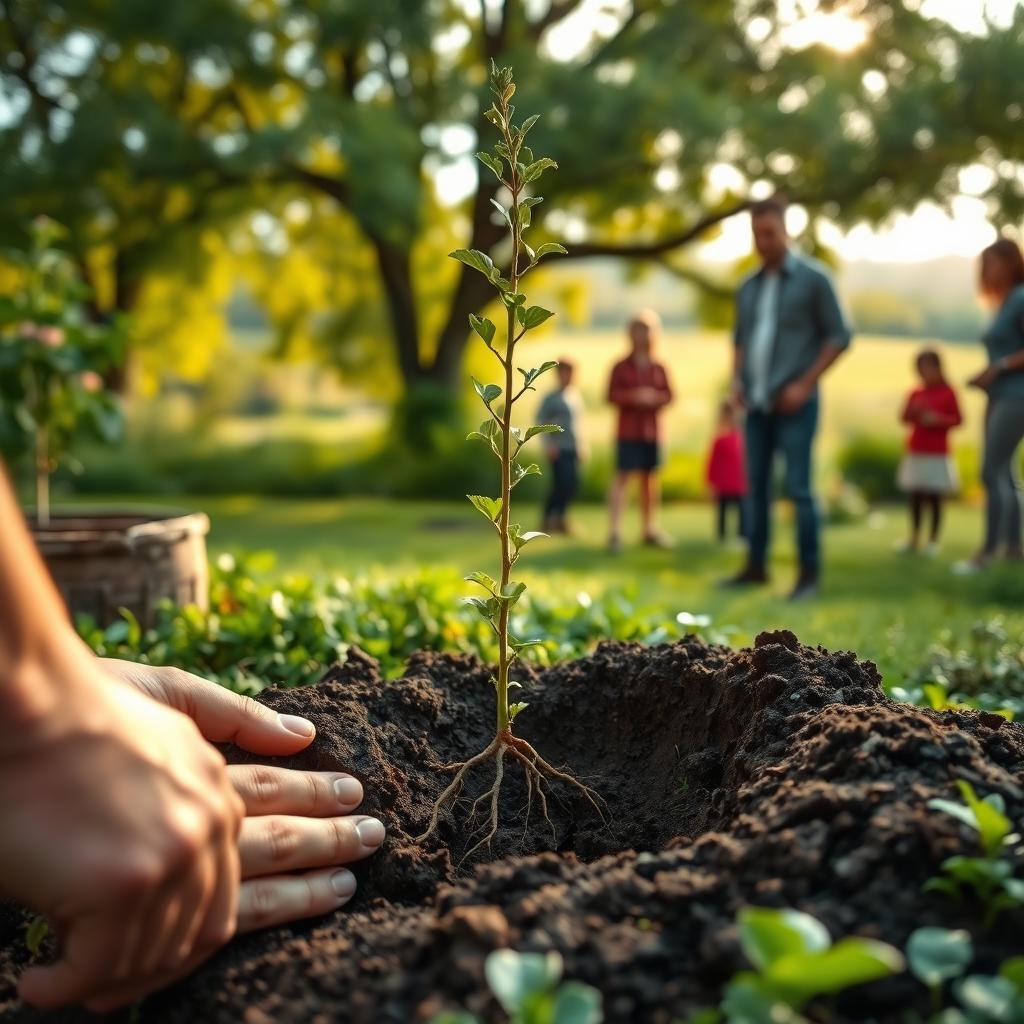
Tree planting tips begin with preparation and precision. Each step is important for a new tree in your landscape.
Digging the Right Size Hole
Creating the perfect planting hole is key for tree survival. Follow these essential guidelines:
- Dig a hole 2-3 times wider than the root ball
- Ensure hole depth matches the root ball’s height
- Loosen soil at the bottom and sides to encourage root expansion
Planting Depth and Orientation
Proper tree placement affects future growth and stability. Consider these critical factors:
- Position the tree’s root flare slightly above ground level
- Avoid burying the trunk, which can cause rot
- Align the tree’s most attractive side toward your preferred viewing angle
Initial Watering and Care
Immediate care after planting is vital for healthy tree development:
| Watering Stage | Recommended Approach |
|---|---|
| First Watering | Thoroughly soak root ball and surrounding soil |
| First Week | Water every 1-2 days, depending on climate |
| Following Months | Deep watering once per week |
Pro tip: Mulch around the base of the tree helps retain moisture and regulate soil temperature, supporting your tree’s initial growth phase.
Ongoing Tree Care and Maintenance
Learning how to care for trees is key to a beautiful landscape. A good tree care guide means regular attention and detail. Trees, being alive, need constant care to stay healthy and strong.

There are several important steps to keep trees healthy for a long time. These steps will help you take good care of your trees:
Watering Guidelines
Watering is essential for tree health. Each tree needs different amounts of water, depending on its type, age, and where it lives. Here are some key watering tips:
- Young trees need more water often
- Water mature trees deeply but less often
- Water slowly and deeply
- Don’t overwater, as it can harm the roots
Fertilization Best Practices
Managing nutrients is vital for tree care. Here are some fertilization tips:
- Check soil nutrients every year
- Use slow-release organic fertilizers
- Fertilize during the growing seasons
- Choose fertilizers based on the tree’s needs
Pruning Techniques
“Proper pruning is an art that promotes tree health and aesthetic beauty.” – Arborist Expert
Pruning keeps trees looking good and healthy. It involves cutting off damaged branches and helping trees grow. Here are some pruning tips:
- Use sharp, clean pruning tools
- Remove dead or sick branches
- Prune when trees are not growing
- Learn how to prune different trees
Remember, regular care turns tree maintenance into a rewarding hobby. It benefits your garden and the environment.
Protecting Trees from Pests and Diseases
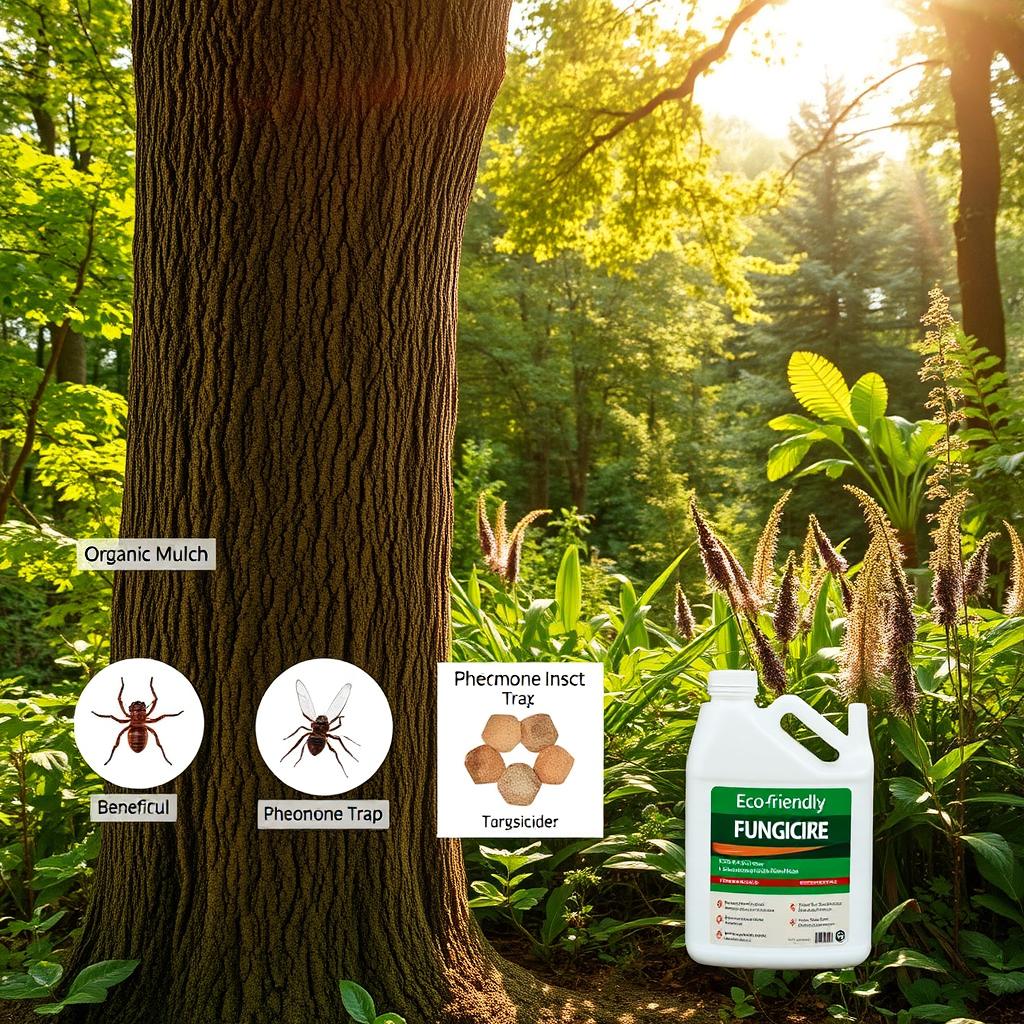
Tree care is key to keeping your trees healthy and strong. It’s important to watch for pests and diseases and act fast. Knowing what threats are out there helps keep your trees looking great.
Common Tree Pests to Watch
Trees have to deal with many pests. Some common ones are:
- Emerald ash borers
- Japanese beetles
- Bark beetles
- Aphids
- Scale insects
Recognizing Signs of Tree Disease
Spotting health problems early is a must. Watch for these signs:
- Discolored or spotted leaves
- Unusual bark patterns
- Fungal growth
- Wilting or dying branches
- Unexpected leaf drop
Prevention and Treatment Strategies
Keeping your trees safe needs a solid plan. Here are some ways to protect them:
- Regularly check your trees
- Make sure they get the right food
- Use natural pest control
- Trim off sick branches
- Get help from tree experts when needed
Being informed and taking action helps your trees stay healthy and strong. This way, they can fight off threats better.
Understanding Soil Health for Trees
Tree health begins underground. The success of planting and caring for trees depends on soil quality. Healthy soil gives trees the nutrients, water, and support they need to grow well.
Soil is more than dirt; it’s a living ecosystem that supports trees. Different soil types greatly affect tree growth. This makes managing soil very important for tree care.
The Critical Importance of Soil Quality
Trees need soil for several key things:
- Nutrient absorption
- Water retention
- Root structure support
- Microbial ecosystem
Improving Soil Health Strategies
To improve soil quality, you need specific steps:
- Add organic compost
- Implement proper drainage
- Reduce soil compaction
- Introduce beneficial microorganisms
Checking Soil pH Levels
Soil pH affects how nutrients are available. Different trees grow best in different pH levels.
| Soil pH Range | Tree Suitability |
|---|---|
| 4.5 – 5.5 | Acidic-loving trees (Azaleas, Pines) |
| 6.0 – 7.0 | Most landscape trees |
| 7.5 – 8.5 | Alkaline-tolerant trees |
“Healthy soil is the root of successful tree growth” – Urban Forestry Expert
Regular soil testing and management are key to long-term tree health and vitality.
Mulching and Ground Cover for Trees
Tree care is more than just watering and pruning. Mulching is key for healthy trees and a lush landscape. It changes the area around your trees, helping them grow strong.
Learning to mulch is a must for planting trees right. It boosts tree health and soil quality.
Benefits of Mulching
- Retains soil moisture, reducing water evaporation
- Regulates soil temperature
- Prevents weed growth around tree base
- Improves soil nutrition as organic mulch breaks down
- Protects tree roots from mechanical damage
Types of Mulch to Use
Choosing the right mulch is vital for tree care. Each type has its own benefits:
- Organic mulches: Wood chips, bark, leaves
- Inorganic mulches: Stones, rubber chips
- Compost-based mulches: Nutrient-rich options
Ground Covers that Thrive with Trees
Ground covers can make your tree area better. Think about these plants:
- Periwinkle
- Pachysandra
- Creeping thyme
- Ferns
When mulching, use 2-3 inches thick. Keep it a few inches from the trunk to avoid disease.
Encouraging Tree Growth and Longevity
Taking care of trees needs commitment and smart strategies. Knowing how to care for trees is key for their health and growth. Tree care is more than just watering; it involves watching and helping them grow.
Watching trees grow is essential. Healthy trees are good for our environment and make our landscapes beautiful.
Monitoring Health and Growth
Checking on tree health often helps spot problems early. Important steps include:
- Looking at leaf color and texture
- Checking bark for signs of damage
- Tracking how much they grow each year
- Watching for signs of pests
Supporting Young Trees
Young trees need extra care to grow strong. Important steps include:
- Keeping them watered regularly
- Using stakes for support
- Feeding them the right nutrients
- Keeping them safe from animals
Addressing Growth Issues
| Growth Challenge | Recommended Solution | Timing |
|---|---|---|
| Stunted Growth | Soil nutrient analysis | Early Spring |
| Weak Branch Development | Selective pruning | Late Winter |
| Root Compression | Careful root zone management | Before Growing Season |
“A tree’s full growth is unlocked by patient, knowledgeable care.” – Urban Forestry Expert
Regular checks and care help trees stay healthy, strong, and lively all their lives.
Engaging with Your Community and Nature
Tree planting does more than just beautify your garden. It connects you with local efforts to change urban areas. Joining neighborhood tree planting programs lets you learn, share, and help create green spaces for all.
Look for local groups like the Arbor Day Foundation or your city’s parks department. They often have workshops and a tree planting checklist. Being part of group events not only helps the environment but also strengthens community bonds.
There are many resources for those interested in urban forestry. Local gardens, university programs, and conservation groups offer free workshops and online tutorials. By teaching others, you can encourage more people to care for our urban ecosystems.
Every tree planted is a sign of our shared commitment to the environment. Whether you’re part of a community project or encouraging neighbors, your efforts have a lasting impact. Enjoy the process of growing green spaces together and see your community thrive.