Water scarcity is a big problem for homeowners in the United States. Using water-saving tips for your irrigation system can cut down water use without losing the beauty of your garden. Saving water is not just good for the environment—it’s also smart for your property.
Modern gardens need smart water use plans. By learning about new irrigation methods and using smart tech, you can cut down water waste a lot. This can save you thousands of gallons a year, helping your wallet and the environment.
Starting a sustainable garden is all about knowing what to do and planning well. By trying out new irrigation ways, you can make your outdoor space look great while using less water. Every choice you make helps make the future more water-friendly.
Key Takeaways
- Reduce water consumption through strategic irrigation techniques
- Understand the importance of water conservation in landscaping
- Learn how technology can improve irrigation efficiency
- Discover methods to maintain beautiful landscapes with less water
- Contribute to environmental sustainability through smart water use
Understanding the Basics of Irrigation Systems
Water management is key for keeping landscapes beautiful and using water wisely. Homeowners can cut down on water use by learning about irrigation systems. They should pick the best method for their needs.
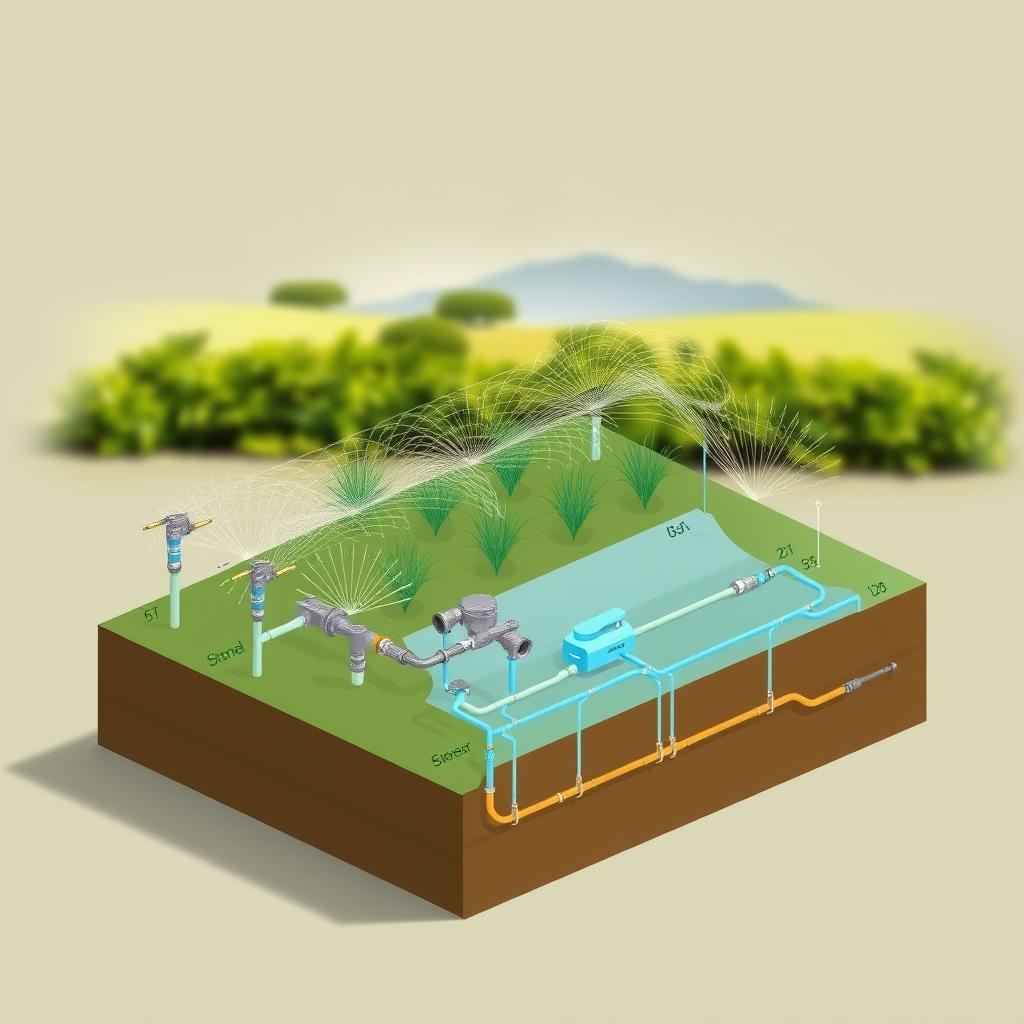
Today’s irrigation systems send water right to where plants need it. They help gardeners and landscapers use water better. This ensures plants grow well and saves water.
Types of Irrigation Systems
- Sprinkler Systems: Great for big, open lawn areas
- Drip Irrigation: Best for gardens and specific plants
- Micro-Irrigation: Ideal for watering delicate plants carefully
How Irrigation Works
Irrigation systems have pipes, valves, and emitters to spread water evenly. Smart controllers adjust watering based on soil moisture, weather, and plant needs.
Benefits of Efficient Irrigation
- Can cut water use by up to 50%
- Prevents overwatering and plant stress
- Lowers utility bills
- Helps landscapes grow healthier
Using smart irrigation techniques, homeowners can make landscapes that save water. They can keep their outdoor spaces beautiful and green.
Conducting a Water Audit
Water audits are key for managing water in landscapes. Homeowners can save water by understanding their usage. A detailed audit finds ways to save water in your yard.
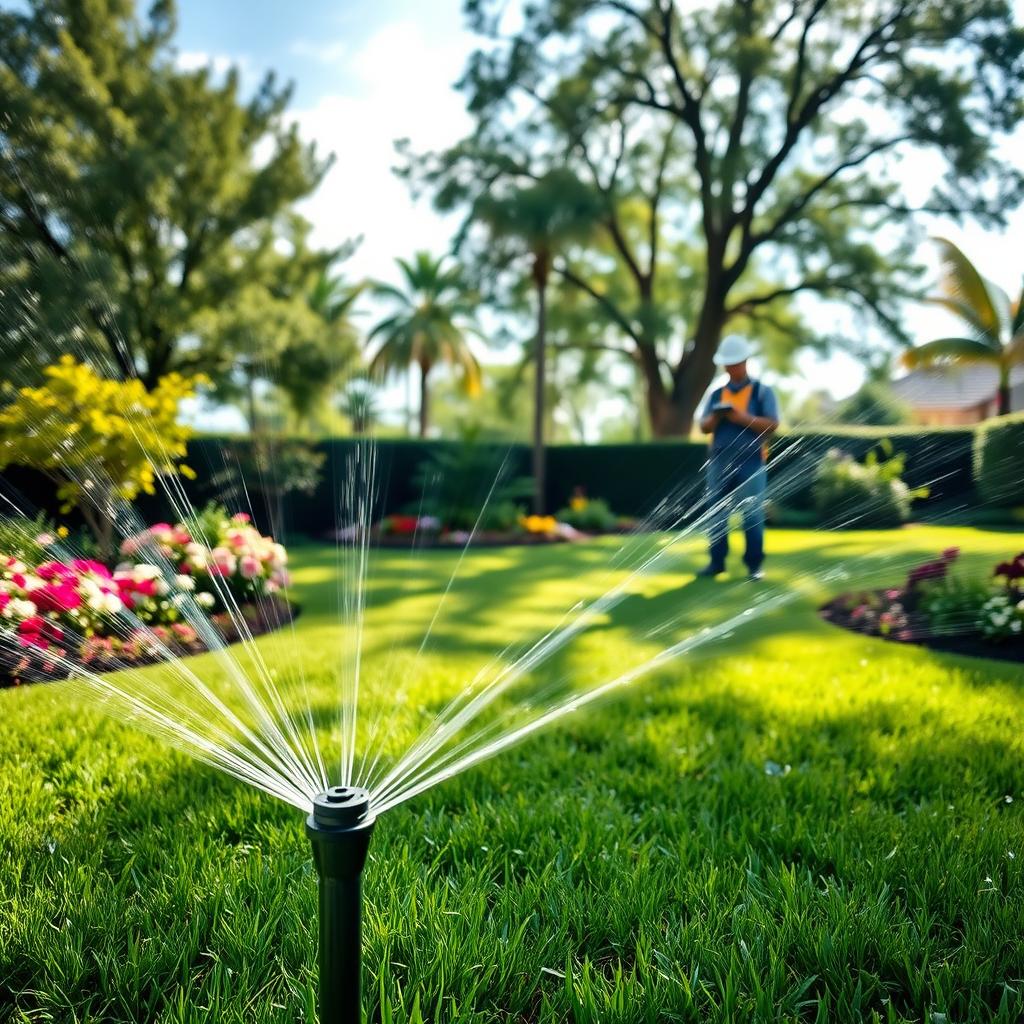
Tracking water use is more than just looking. It needs a careful check of your irrigation system.
What is a Water Audit?
A water audit checks how much water your yard uses. It finds where water is wasted and offers ways to use less.
Steps to Perform an Audit
- Look for leaks in pipes and sprinkler heads
- Measure water from each zone
- Check if water is spread evenly
- Check the soil moisture
- Review how often you water
Interpreting Audit Results
Understanding your audit results helps save water. Look for signs of waste:
| Indicator | Potential Issue | Recommended Action |
|---|---|---|
| Uneven water distribution | Misaligned sprinkler heads | Realign or replace sprinkler heads |
| High water consumption | Inefficient irrigation design | Consider drip irrigation or smart controllers |
| Frequent wet spots | Potential underground leak | Professional inspection recommended |
Pro tip: Do water audits seasonally to keep your irrigation efficient and save water.
Selecting the Right Irrigation System
Choosing the perfect irrigation system can make a big difference. It can save water and keep plants healthy. Homeowners can save water and keep their landscapes beautiful with smart irrigation.
When picking an irrigation system, think about your landscape’s needs. The right choice can help you save water effectively.
Drip vs. Sprinkler Systems: A Comparative Overview
- Drip Irrigation: Delivers water directly to plant roots
- Sprinkler Systems: Covers larger areas with overhead watering
| System Type | Water Efficiency | Best Used For |
|---|---|---|
| Drip Irrigation | 90-95% efficient | Gardens, flower beds, vegetable patches |
| Sprinkler Systems | 65-75% efficient | Lawns, large open areas |
Benefits of Smart Irrigation Controllers
Modern smart irrigation controllers change how we manage water. They:
- Adjust watering schedules based on weather
- Monitor soil moisture levels
- Prevent overwatering automatically
Choosing the Right System Size
Getting the right system size is key for saving water. Think about:
- Landscape area
- Plant types
- Soil composition
- Local climate conditions
By looking at these factors, you can use smart irrigation to save water and protect your landscape.
Environmentally-Friendly Watering Techniques
Using water wisely is key for a green garden. Homeowners can cut down water use by using eco-friendly ways to water. These methods help the planet and keep your garden looking great.
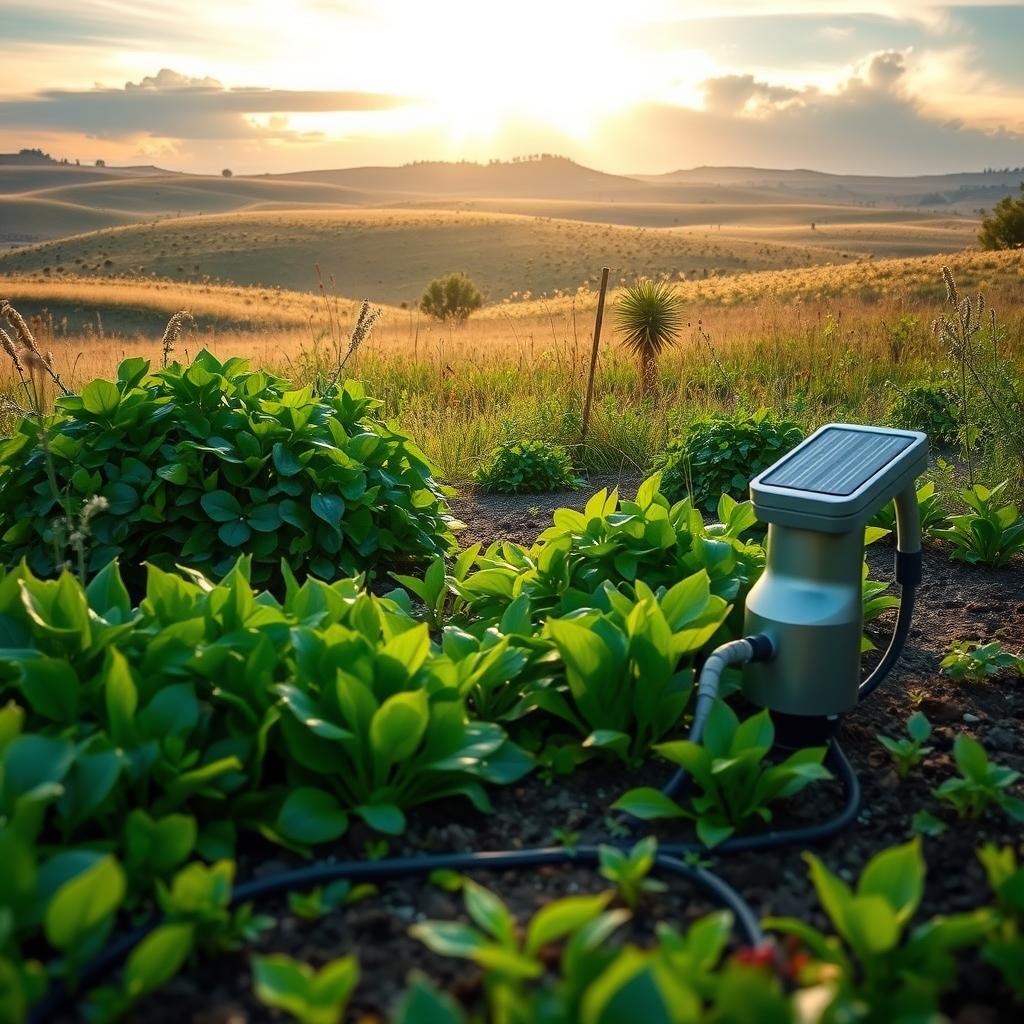
Smart watering starts with knowing how to save water naturally. These methods not only save water but also make your garden healthier.
Rainwater Harvesting
Rainwater harvesting is a top choice for saving water. It collects and stores rainwater for watering your garden.
- Install rain barrels at home’s downspouts
- Use collected water for garden and landscape irrigation
- Reduce reliance on municipal water supplies
Xeriscaping Principles
Xeriscaping is all about designing gardens that need little water. It turns old gardens into water-saving spaces.
- Select native, drought-resistant plants
- Group plants with similar water requirements
- Create efficient irrigation zones
Using Mulch Effectively
Mulch is vital for saving water in your garden. It keeps the soil moist and stops water from evaporating.
- Apply 2-3 inches of organic mulch around plants
- Use materials like wood chips, straw, or bark
- Refresh mulch annually to maintain effectiveness
By using these green watering methods, you can make your garden water-friendly. This way, you save water and keep your garden beautiful.
Optimizing Your Watering Schedule
Starting a good irrigation system water conservation plan means knowing the best watering methods. Smart landscapers know that saving water in landscaping needs careful planning and timing.

Creating the right watering schedule can greatly help your landscape’s health and cut down on water waste. The goal is to be smarter, not harder with your irrigation.
Best Times to Water
When you water is just as important as how much. The best time is usually early morning, between 4 AM and 10 AM. This has many benefits:
- Less water evaporation
- Less risk of fungal growth
- Plants get moisture before it gets hot
- Less water lost to wind
Seasonal Adjustments
Water conservation needs flexible irrigation plans. Each season needs a different watering strategy to save water effectively.
- Spring: Start watering more as plants grow
- Summer: Water deeply but not too often
- Fall: Water less as it gets cooler
- Winter: Water very little for sleeping plants
Creating Your Watering Schedule
Creating a custom watering schedule involves looking at a few key things:
- Local weather
- What plants need
- Soil type and how it drains
- How the land is shaped
Pro tip: Get a smart irrigation controller. It adjusts watering based on weather and plant needs.
By using these smart strategies, homeowners can save a lot of water and keep their landscapes looking great and healthy.
Maintaining Your Irrigation System
Keeping your irrigation system in good shape is key to saving water. A well-maintained system saves water and protects your landscape. Regular care prevents expensive repairs and keeps your system running smoothly.

To keep your irrigation system working well, you need a plan. By following tips for saving water, you can cut down on waste. This helps keep your landscape healthy and green.
Regular Inspection Checklist
- Check for visible leaks around pipes and connections
- Inspect sprinkler heads for proper alignment
- Clear debris from nozzles and filters
- Test system pressure and coverage
- Examine valves for smooth operation
Common Issues to Watch For
Some big problems can hurt your irrigation system’s performance:
- Broken or misaligned sprinkler heads
- Underground pipe leaks
- Clogged or damaged nozzles
- Electrical issues with smart controllers
- Uneven water distribution
Professional Help Indicators
Some tasks are best left to the pros. Call an irrigation expert if you see:
- Persistent system pressure problems
- Complex electrical or controller malfunctions
- Significant underground pipe damage
- Repeated performance issues despite maintenance
Proactive maintenance is the key to a water-efficient irrigation system.
Utilizing Technology for Water Savings
Modern technology brings new ways to save water in landscapes. Smart irrigation systems change how we save water. They help homeowners and landscapers use less water while keeping outdoor spaces looking great.

Water conservation has changed with new tech. Now, smart irrigation is easier to use than ever.
Smart Watering Apps
Smartphone apps are big helpers in saving water. They give real-time water use info and tips for saving water. Users can:
- Track water use in real-time
- Get tips for watering
- Check on their landscape from afar
- Get alerts for water waste
Soil Moisture Sensors
Soil moisture sensors are key for saving water. They measure the soil’s moisture level. These smart devices stop overwatering by showing the exact moisture level. This ensures plants get the right amount of water.
Weather-Based Controllers
Weather-responsive irrigation systems are the best for saving water. These systems adjust watering based on weather. They look at:
- Temperature
- Rainfall
- Humidity
- Wind
Using these tech tools, homeowners can make their irrigation systems more efficient. This saves water and keeps landscapes healthy.
Understanding Local Water Regulations
Understanding local water rules is key to saving water with your irrigation system. Each area has its own rules for outdoor water use and landscape care.
Checking Local Water Guidelines
Water saving starts with knowing your local rules. Most towns have specific rules for water use. These rules cover:
- Permitted watering days
- Specific watering hours
- Seasonal water restrictions
- Landscape water usage limits
Permits and Restrictions
Before setting up or changing your irrigation system, check with your local water office. Some places need specific permits for landscape water management. Common rules include:
- Odd-even day watering schedules
- Time-of-day watering limitations
- Drought-related emergency restrictions
Community Resources for Support
Local resources can guide you in water conservation. Many communities offer:
- Free water conservation workshops
- Rebate programs for water-efficient equipment
- Expert consultations from extension offices
- Online tools for tracking water usage
By knowing local rules, you can create a water-saving irrigation plan. This helps save water and protect your community’s resources.
Educating Yourself and Others
Water conservation starts with knowledge and community engagement. Learning about efficient irrigation practices can change your landscape and cut down water use. By sharing what you know with neighbors and joining local events, you help protect our water.
Connecting with local experts and gardeners is very helpful. Workshops by university extension programs and local water districts teach advanced irrigation. These events educate and build a network of people who care about water.
Sharing Knowledge in Your Community
Talking about water-saving ideas with friends and neighbors can lead to big changes. Organize small info sessions or join community garden groups. There, you can share and use water-saving strategies together.
Digital Learning Platforms
Online resources are full of ways to learn about water conservation. Websites like the Environmental Protection Agency’s WaterSense program and state water forums have the latest on saving water. Social media groups and irrigation forums also connect you with experts and enthusiasts across the country.
Continuous Education
Keeping up with the latest in water management is important. Sign up for newsletters from water groups, go to webinars, and watch for new water-saving tech. Your dedication to learning inspires others to care for the environment in your community.