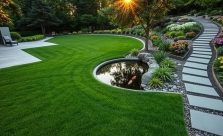

Landscaping trends for 2025 are changing how we view outdoor spaces. These trends focus on making spaces sustainable, functional, and beautiful. They also aim to increase property value and protect the environment.
Outdoor design is evolving fast, thanks to technology and care for the planet. The trends for 2025 offer new ways to make yards smart and responsive. They turn traditional yard care into modern, eco-friendly ecosystems.
Homeowners are moving beyond just mowing the lawn. They want yards that use the latest technology, save water, and use native plants. This approach makes outdoor spaces more durable and stunning.
Key Takeaways
- Sustainable design is now a primary landscaping focus
- Technology is transforming outdoor space management
- Water conservation becomes increasingly important
- Native plant selections are gaining popularity
- Smart irrigation systems are becoming standard
Understanding the Evolution of Landscaping
The world of landscaping is changing fast. New tech and a focus on green practices are leading the way. Homeowners and designers are making outdoor spaces more beautiful, useful, and eco-friendly.

Landscape design is more than looks now. It’s about creating smart, nature-friendly spaces. Designers see outdoor areas as living systems, not just pretty decorations.
Key Factors Driving Change
Several big things are changing the landscaping world:
- Climate change awareness
- Resource conservation
- Technological integration
- Urban density challenges
Impact of Technology on Landscaping
Digital tools are changing how we design and care for outdoor spaces. Smart design software lets us see changes before they happen. Drones map out sites, and AI helps pick the best plants and layouts.
Sustainability as a Core Principle
Going green is now key in landscaping. Modern designs focus on:
- Native plants
- Water-saving systems
- Less chemical use
- Keeping wildlife habitats
By using these new methods, landscapes are becoming more than pretty views. They’re smart, eco-friendly spaces that help our planet.
Smart Irrigation Systems: The Future of Water Management
New ideas in landscaping are changing how we manage water outside. Now, smart technology is used in outdoor designs. This makes irrigation systems more efficient, saving water and money.

Water saving is key in today’s landscaping. People are using advanced irrigation systems. These systems use artificial intelligence and smart tech to use water wisely.
Benefits of AI-Controlled Watering
AI-controlled watering systems are very precise. They help keep your plants hydrated. These systems can:
- Check soil moisture levels live
- Change watering times based on plant needs
- Save up to 50% of water
- Stop plants from getting too much or too little water
Integration with Weather Forecasting
Modern irrigation systems link up with weather forecasts. Cutting-edge landscaping ideas let systems stop watering when it rains. They also adjust schedules based on weather predictions.
Water Conservation Techniques
There’s more to saving water than just smart tech. Homeowners can also:
- Put in drip irrigation systems
- Choose drought-resistant plants
- Use rainwater for the garden
- Mulch to keep moisture in
By using these smart landscaping ideas, you can have a beautiful, water-saving outdoor space. It’s good for the planet and your wallet.
Native and Drought-Resistant Plants: A Sustainable Choice
Homeowner landscaping tips for 2025 are moving towards sustainability. Outdoor space trends 2025 show the value of native and drought-resistant plants. These plants make landscapes beautiful and help local ecosystems.
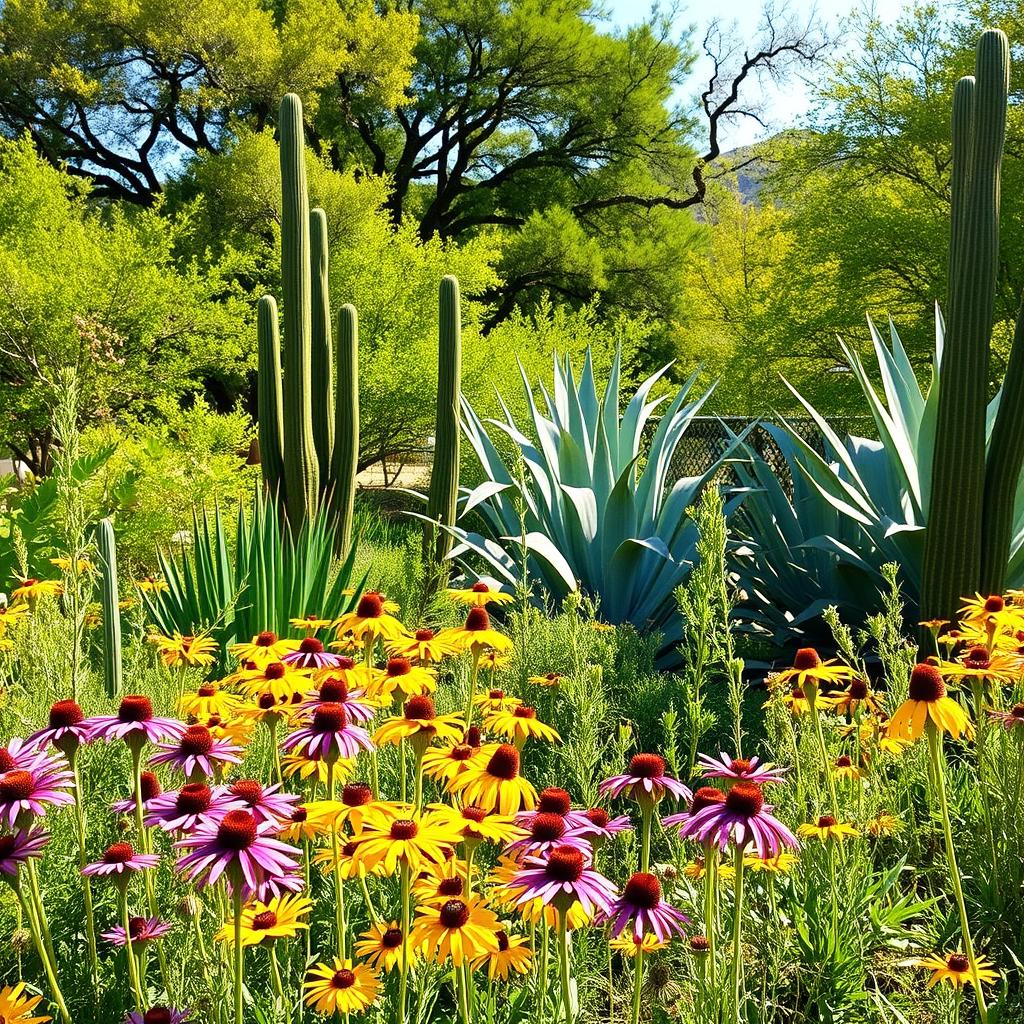
Modern landscaping focuses on plants that need little care. Native species are great for homeowners wanting beautiful, easy-to-maintain outdoor spaces.
Popular Native Species Across U.S. Regions
- Southwest Region: Agave, Yucca, Ocotillo
- Pacific Northwest: Oregon Grape, Salal, Kinnikinnick
- Northeast: Black-Eyed Susan, Purple Coneflower, Wild Bergamot
- Southeast: Beautyberry, Saw Palmetto, Cardinal Flower
Benefits of Low-Maintenance Landscaping
Choosing native plants has many benefits for homeowners:
- Less water needed
- Lower upkeep costs
- Higher property value
- Natural pest control
Creating Eco-Friendly Habitats
Native plant landscaping does more than look good. It creates homes for local wildlife, helping pollinators and boosting biodiversity.
| Plant Type | Water Requirements | Wildlife Benefit |
|---|---|---|
| Milkweed | Low | Monarch Butterfly Habitat |
| Serviceberry | Moderate | Bird Food Source |
| Coneflower | Low | Pollinator Attraction |
By using native, drought-resistant plants, homeowners can make beautiful, eco-friendly landscapes.
Outdoor Living Spaces: Blurring the Lines Between Indoors and Out

Today’s homeowners are changing their outdoor areas. They’re making them like indoor rooms. The latest trends in landscaping are all about creating spaces that blend indoors and outdoors smoothly.
These outdoor spaces are now more than just places to sit. They’re designed to be useful, comfy, and high-tech.
Multifunctional Outdoor Rooms
Outdoor living areas have grown from simple patios. Now, they’re complex spaces for different activities:
- Outdoor kitchens with top-notch appliances
- Entertainment zones with sound systems
- Work-from-home spots with weatherproof furniture
- Relaxation areas with comfy seating and climate control
Incorporating Technology in Outdoor Spaces
Smart tech is changing outdoor areas. Connected outdoor spaces now include:
- WiFi-enabled entertainment systems
- Voice-controlled lighting and heating
- Weather-resistant touchscreen controls
- Solar-powered charging stations
Year-Round Usability Features
Landscaping designs are now for all seasons. Heating, retractable covers, and wind-blockers keep areas comfy all year. These features make outdoor spaces great investments for homeowners.
Vertical and Rooftop Gardens: Maximizing Green Space
Urban dwellers are changing landscaping by making small spaces green. They are using new ideas to bring nature into their homes. This is a big change from old gardening ways.
For 2025, vertical and rooftop gardens are leading the way in urban green spaces. They offer many benefits, like cleaner air and using space wisely.
Innovative Vertical Gardening Techniques
Modern vertical gardening is more than just wall planters. New methods include:
- Modular living wall systems
- Hydroponic vertical growing structures
- Automated self-watering vertical gardens
- Lightweight, stackable planting containers
Rooftop Garden Design Considerations
Creating a rooftop garden needs careful planning. Important things to think about are:
- Structural weight capacity
- Waterproofing and drainage systems
- Wind exposure management
- Sunlight and microclimate analysis
Urban Farming Trends
Urban farming is changing city landscapes. People are making green spaces that grow food. Compact vegetable gardens, herb walls, and community rooftop farms are popular in cities.
These new ideas show how city folks can make green, useful spaces in small areas. They turn creative landscaping ideas into real spaces.
Sustainable Hardscaping Materials
Sustainable landscaping is changing outdoor design. It’s making hardscaping materials more eco-friendly. Now, homeowners focus on both looks and the planet.
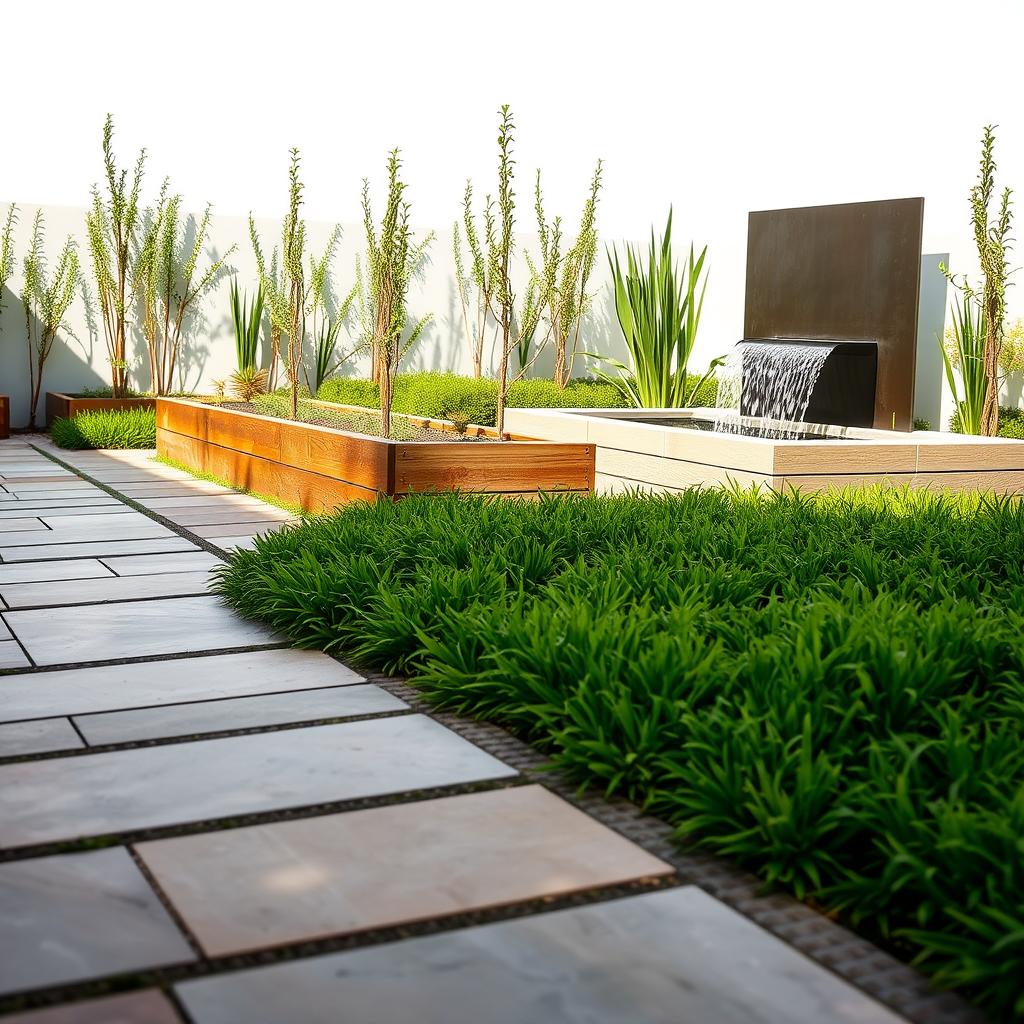
Today’s landscape design focuses on materials that are good for the earth. Homeowners can help the planet by choosing the right materials.
Eco-Friendly Paving Options
New paving solutions are making outdoor spaces better for the environment. Some top choices include:
- Recycled concrete aggregate
- Permeable pavers from recycled plastics
- Natural stone from local quarries
- Reclaimed brick and terra cotta materials
Recycled and Upcycled Materials in Design
Designers are turning waste into beautiful parts of landscapes. Upcycled materials add unique looks and cut down on waste. They’re great for the planet and look good too.
- Repurposed wood from old buildings
- Glass aggregate for decorative surfaces
- Recycled metal edging and decorative elements
Permeable Surfaces for Water Management
Water conservation is key in new landscaping trends. Permeable surfaces let water soak through, cutting down on runoff. They help manage water and look great.
Sustainable hardscaping is not just a trend—it’s a commitment to environmental stewardship.
Lighting Innovations: Enhancing Ambiance and Security
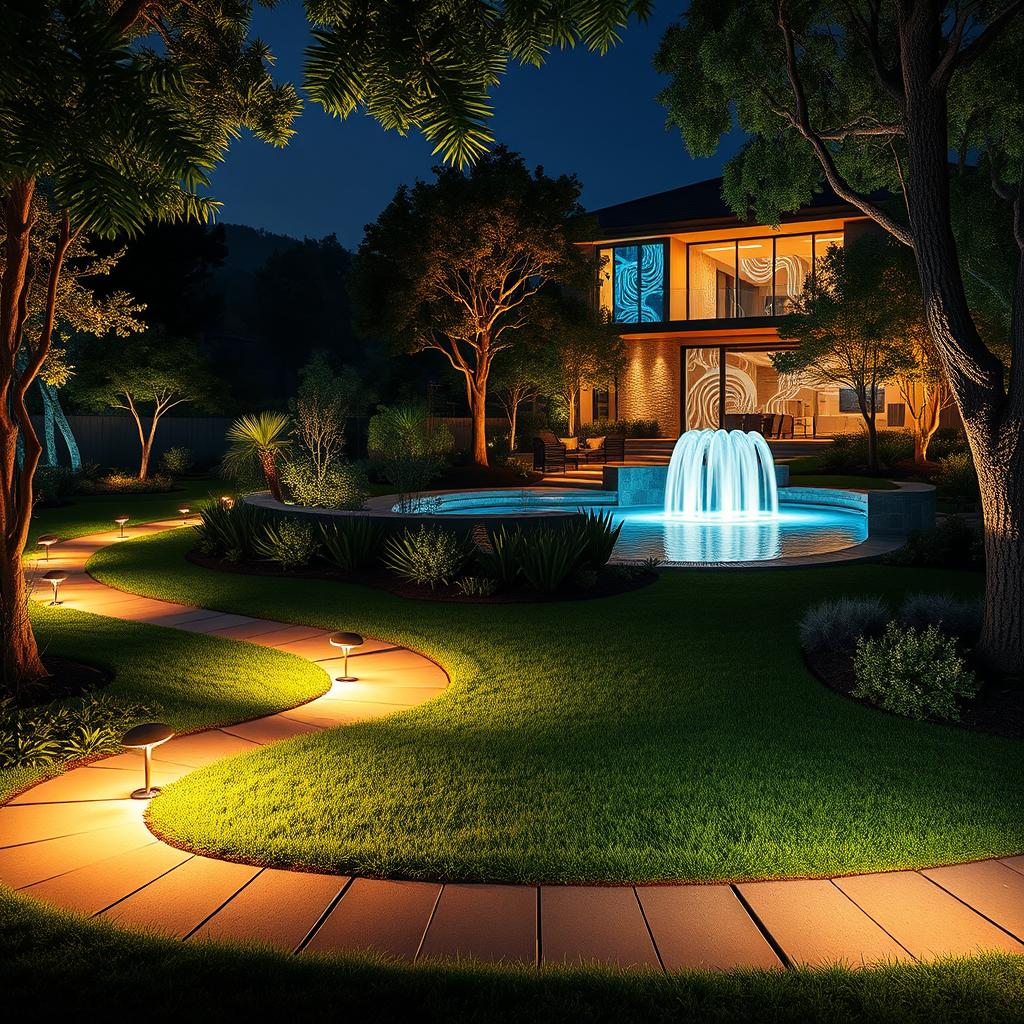
Outdoor lighting has changed a lot. It’s now a key part of making outdoor spaces look good and safe. As we look to 2025, people are seeing how smart lighting can make their homes look better and feel safer.
Smart Lighting Systems: Intelligence Meets Illumination
Today’s outdoor lighting is more than just lights. Smart systems let you control and customize your lighting:
- Smartphone app-controlled illumination
- Color-changing LED capabilities
- Motion-sensor integrated designs
- Programmable lighting schedules
Solar-Powered Solutions: Sustainable Brightness
Homeowners who care about the planet are choosing solar-powered lights. These lights use sunlight to shine at night. They make your yard look amazing and save energy.
Artistic Lighting Designs: Transforming Outdoor Spaces
Lighting is now seen as an art form. It turns gardens and landscapes into stunning night scenes. Designers use light to:
- Highlight architectural features
- Create dramatic shadows
- Establish mood and atmosphere
- Enhance outdoor living spaces
“Lighting is no longer just about visibility—it’s about creating an experience.” – Contemporary Landscape Design Magazine
By using these new lighting ideas, homeowners can change their outdoor areas. They can mix technology, green living, and creativity.
Biodiversity and Wildlife-Friendly Landscaping
Turning your yard into a lively ecosystem needs careful planning and green landscaping. Today, we focus on making spaces that help local wildlife and look great. By balancing beauty and nature, you can make a yard that’s both stunning and eco-friendly.
Creating Habitats for Local Wildlife
To make a wildlife-friendly yard, you need a smart plan. Here are some key steps:
- Provide diverse vegetation layers
- Create water sources like small ponds or birdbaths
- Use native plant species
- Maintain brush piles for shelter
Pollinator Gardens and Their Importance
Pollinator gardens are key for a healthy ecosystem. They draw in bees, butterflies, and other pollinators that are vital for local biodiversity.
| Pollinator Type | Preferred Plants | Blooming Season |
|---|---|---|
| Honeybees | Lavender, Sunflowers | Summer |
| Butterflies | Milkweed, Zinnia | Late Spring/Summer |
| Hummingbirds | Trumpet Honeysuckle | Spring/Summer |
Balancing Aesthetics with Ecology
Green landscaping lets you have a beautiful yard that also helps wildlife. Choose native plants, use water wisely, and create varied habitats. This way, you can have a yard that’s both lovely and good for the planet.
“Every garden is an opportunity to support local ecosystems and create living landscapes.” – Ecological Design Expert
Tech-Integrated Landscape Maintenance
The landscaping world is changing fast, thanks to new tech. Now, we have smart ways to take care of gardens and lawns. These new methods make upkeep easier, more accurate, and better for the planet.
Today, we don’t just use our hands to care for outdoor spaces. New tech is making it smarter and greener. This change is helping both homeowners and pros.
Robotic Lawn Mowers: Precision and Efficiency
Robotic lawn mowers are a big deal in lawn care. They bring many benefits:
- They cut grass evenly and well
- They save homeowners from hard work
- They use GPS and sensors for exact paths
- They run on electricity, which is better for the environment
AI-Powered Plant Care Applications
Now, we use artificial intelligence to manage plants. These apps offer:
- They check plants’ health in real-time
- They give advice based on your plants
- They help plan when to water
- They spot pests and diseases early
Drone Technology in Landscape Assessment
Drones are changing how we check out landscapes. They can:
| Drone Capability | Landscape Application |
|---|---|
| Aerial Mapping | They analyze the land’s shape |
| Thermal Imaging | They find problems with watering |
| High-Resolution Photography | They give a detailed look at the landscape |
“Technology is not just changing landscaping—it’s reimagining what’s possible in outdoor space management.” – Landscape Technology Institute
As we move into 2025, we’ll see even more smart, green, and efficient ways to care for our landscapes.
Conclusion: Embracing the Future of Landscaping
The world of landscaping is changing fast, and 2025 is bringing big changes to our outdoor spaces. Homeowners can now create sustainable, tech-rich, and stunning areas that go beyond old garden ideas.
Innovation is leading the way in 2025 landscaping trends. We see smart watering systems and designs that help wildlife. These trends focus on caring for our planet and using new tech.
Recap of Key Innovations
Sustainable practices are key in today’s landscaping. Using native plants, saving water, and eco-friendly materials are must-haves. Vertical gardens, rooftop green areas, and smart tools like AI for upkeep are changing how we enjoy our yards.
Steps for Homeowners to Stay Ahead
To keep up with these trends, homeowners should look at their current yard and think about making it greener. Talking to local landscapers who know the local environment can help. They can offer advice on the latest designs that are good for the planet and look great.