Keeping your lawn looking great needs careful planning. Homeowners must choose between organic lawn care and chemical treatments. Each has its own benefits and challenges for a healthy yard.
The debate over organic vs. chemical lawn care has grown. People who love gardening and care about the environment want sustainable options. They want results that are good for the planet.
Knowing the differences between organic and chemical lawn care helps you decide. Professional landscapers can help you navigate these choices. They know the best ways to care for your lawn.
Key Takeaways
- Lawn care methods significantly impact environmental health
- Different approaches offer unique benefits and drawbacks
- Professional guidance can optimize lawn maintenance
- Sustainability is becoming increasingly important in landscape design
- Personal values play a critical role in lawn care choices
Understanding the Basics: Organic vs. Chemical Lawn Care
Keeping your lawn healthy means knowing the difference between organic and chemical care. Homeowners have to choose wisely for their lawns. Each method has its own benefits and challenges for your lawn’s health and the environment.
Lawn care has changed a lot, giving homeowners many ways to care for their lawns. The main difference is in how they help grass grow and deal with problems.
Defining Organic Lawn Care
Organic lawn care uses natural methods that work with nature. It focuses on:
- Using natural fertilizers from plants and animals
- Improving soil health naturally
- Using fewer synthetic chemicals
- Helping beneficial soil microbes
What Constitutes Chemical Lawn Care
Chemical lawn care uses man-made products for quick fixes. It’s known for:
- Synthetic fertilizers with lots of nutrients
- Pesticides for specific lawn problems
- Fast solutions for weeds and pests
- Chemically made treatments
Key Differences Between the Two Approaches
Knowing the difference between organic and chemical lawn care helps homeowners decide. Chemicals work fast, but organics focus on long-term health.
The right lawn care depends on what you want, the environment, and your lawn’s needs. Choosing carefully ensures a healthy, lasting outdoor space.
The Benefits of Organic Lawn Care
Organic lawn care is a green way to keep your outdoor space looking great. It’s good for the planet and keeps your family safe. More people are choosing eco-friendly lawn care for these reasons.

Organic lawn care has many benefits. It’s better than old ways of taking care of lawns.
Environmental Advantages
Organic lawn care is kind to the earth. It avoids harmful chemicals. This helps local wildlife and keeps pollution down.
- Reduces chemical runoff into water systems
- Supports beneficial insects and microorganisms
- Minimizes carbon footprint
Long-term Soil Health
Organic lawn care makes soil strong. It uses natural stuff to feed the soil. This helps grass grow well.
| Organic Practice | Soil Health Benefit |
|---|---|
| Compost Application | Increases Nutrient Density |
| Biological Amendments | Improves Microbial Activity |
| Natural Mulching | Enhances Soil Structure |
Safety for Children and Pets
Organic lawn care makes your yard safe for kids and pets. It avoids harmful chemicals. This lets them play outside without worry.
“A healthy lawn starts with healthy practices” – Environmental Landscaping Association
Choosing organic lawn care is smart. It’s good for the planet and keeps your family safe.
Advantages of Chemical Lawn Treatments
Chemical lawn treatments help homeowners keep their lawns looking great. They offer benefits that organic methods can’t match. This makes them a popular choice for those wanting quick and effective lawn care.
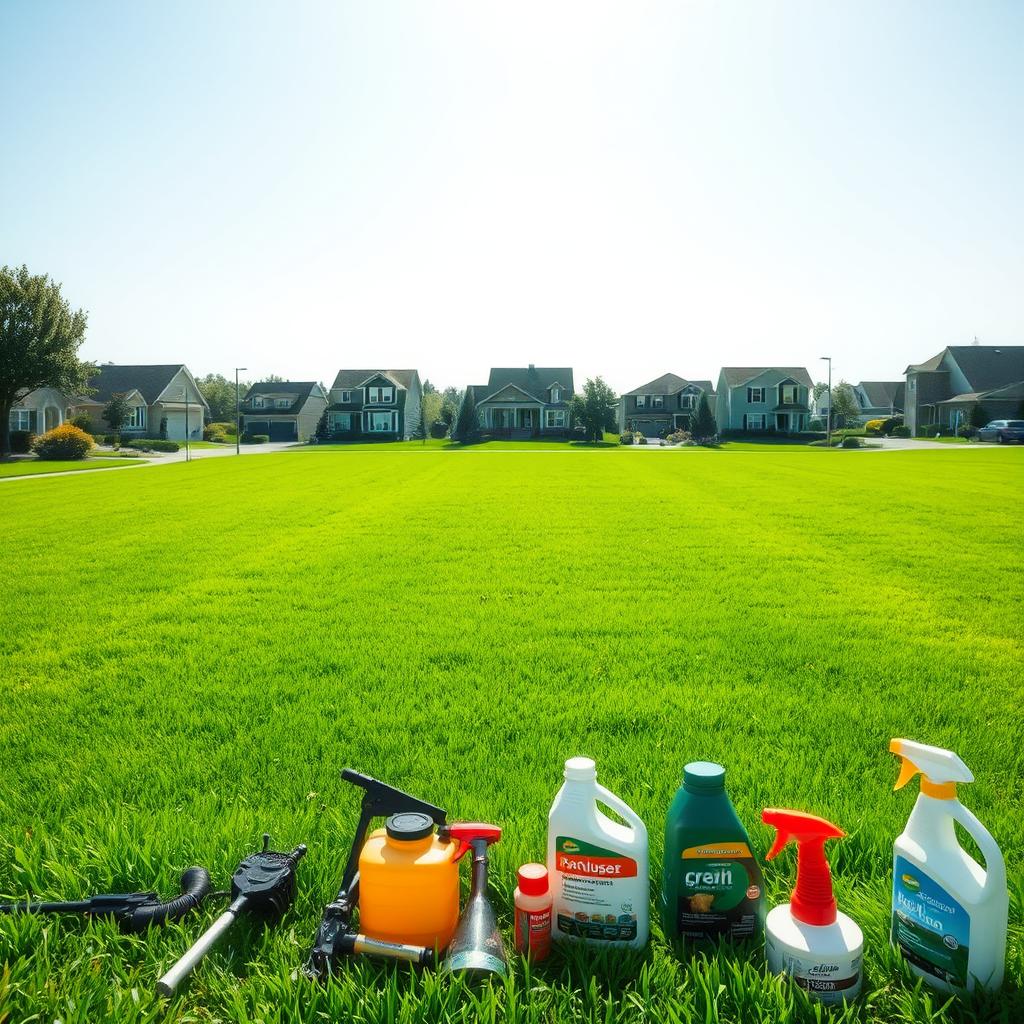
Experts say chemical treatments work well when used right. They tackle lawn problems fast and accurately.
Quick Results and Effectiveness
Homeowners love how fast chemical treatments work. They can:
- Get rid of weeds in days
- Fix nutrient imbalances quickly
- Make lawns look better right away
Targeted Problem Solving
Chemical treatments are key to good lawn care. They’re great for solving specific issues like:
- Stubborn weeds
- Fungal problems
- Nutrient shortages
- Pests
Cost-Effectiveness in the Short Term
Chemical treatments might cost more upfront. But they can save money in the long run. They work fast, so you don’t need to apply them as often.
Choosing the right chemical treatments is important. You need to know your lawn’s needs and talk to lawn care experts. This way, you get the best results and protect the environment.
Potential Drawbacks of Organic Lawn Care

Organic lawn care has many benefits for the environment and our health. Yet, it comes with its own set of challenges. The main difference between organic and chemical lawn care lies in their unique characteristics.
Organic lawn care needs patience and a careful approach. If you want a sustainable lawn, you must be ready for certain things.
Slower Initial Results
Organic lawn care takes time to show results. Unlike quick chemical fixes, organic methods work slowly. It may take weeks or months to see your lawn improve.
- Initial growth may appear less vibrant
- Nutrient absorption occurs more slowly
- Visible lawn improvements take several weeks to months
Higher Initial Costs
Starting with organic lawn care can be expensive. Natural products and organic treatments cost more than chemicals. This can be a problem for those watching their budget.
- Organic fertilizers are more expensive
- Specialized equipment might be necessary
- Professional organic lawn care services can have premium pricing
More Frequent Applications
Organic lawn care means more frequent care. Natural treatments break down faster and need more attention to keep your lawn healthy.
- More regular fertilizer applications
- Consistent soil monitoring
- Additional time investment for lawn management
Despite these challenges, many find organic lawn care worth it. It creates a healthier environment for your outdoor space.
Concerns Surrounding Chemical Lawn Care
Chemical lawn treatments might look good, but they have big risks. They can harm the environment and our health. Knowing these risks helps us choose better lawn care.

Using chemical lawn treatments brings up big concerns. They go beyond just keeping your lawn looking good:
Environmental Impact
Choosing eco-friendly lawn care is key when thinking about chemicals. These products can:
- Contaminate local water sources through runoff
- Harm beneficial insects and pollinators
- Disrupt local ecosystem balance
Health Risks for Humans and Pets
Chemical lawn treatments can be harmful to people and pets. They can cause:
- Potential respiratory issues
- Skin irritation and allergic reactions
- Long-term health complications from repeated exposure
Soil Degradation Over Time
Using chemicals on your lawn can hurt the soil. The continuous use of synthetic chemicals gradually depletes natural soil nutrients. This makes your lawn dependent on chemicals, weakening its natural strength.
“A healthy lawn starts with healthy soil” – Sustainable Landscaping Experts
Homeowners looking for sustainable lawn care should think about these issues. They should look into eco-friendly options that protect their lawn and the environment.
Transitioning from Chemical to Organic Lawn Care
Switching to natural lawn care can seem tough. But, green lawn care tips can make the change easier. Knowing the steps helps create a healthy, green lawn.

Changing your lawn takes time and planning. The move to organic care involves several important steps:
- Conduct a soil test to know what nutrients you need
- Stop using chemical fertilizers right away
- Start adding organic compost and natural fertilizers
- Slowly introduce natural pest control methods
- Change how you water and mow to help your grass
Understanding the Transition Timeline
Expect a gradual transformation. The first 6-12 months are key as your lawn gets used to new care. You’ll see changes as the ecosystem balances out.
Managing Expectations
Organic lawn care means setting realistic goals. Your lawn might look different at first. It might have patches and grow slower. This is okay as the soil gets healthier.
- First 3 months: Initial adjustment period
- 4-6 months: Soil starts to regenerate
- 6-12 months: You’ll see big improvements in your lawn
Staying committed is key to green lawn care. The long-term benefits of organic care are worth the effort.
Choosing the Right Products for Your Lawn
Finding the right lawn care products can be tough for homeowners. You want the best for your lawn but also care about the environment. It’s all about finding a balance.
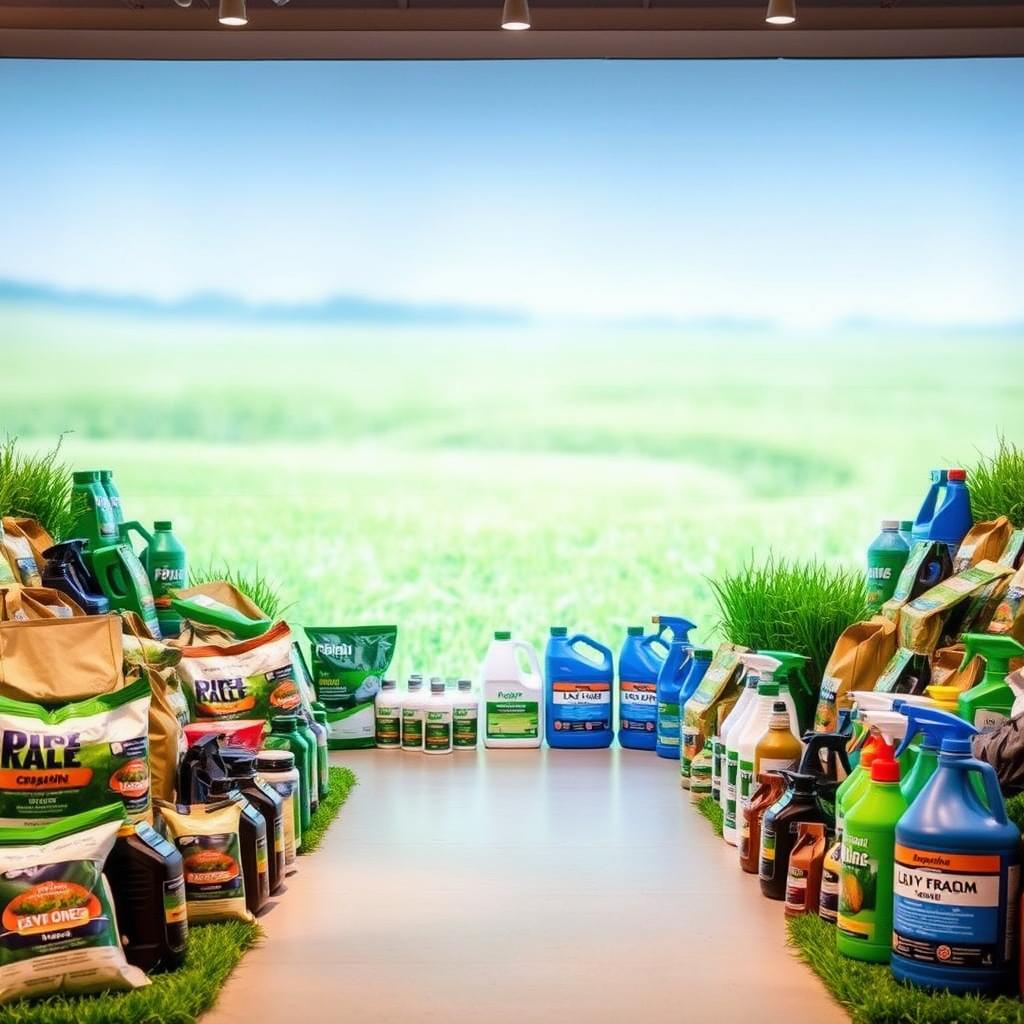
Understanding your lawn’s needs is key when picking non-toxic products. The right products can make your lawn look amazing and healthy.
Organic Lawn Care Products
Organic lawn care is a green way to keep your lawn looking good. These products use natural stuff that helps the soil and keeps the ecosystem in check.
- Compost-based fertilizers
- Microbial soil amendments
- Natural pest control solutions
- Organic seed mixes
Chemical Lawn Care Products
Chemical products work fast to fix lawn problems. They’re good for quick fixes.
| Product Type | Primary Use | Application Frequency |
|---|---|---|
| Synthetic Fertilizers | Rapid Nutrient Delivery | Every 6-8 weeks |
| Herbicides | Weed Control | As needed |
| Fungicides | Disease Prevention | Seasonal |
Hybrid Approaches
Integrated lawn care strategies mix organic and chemical methods. This way, you get a healthy lawn without harming the environment.
- Alternating organic and chemical treatments
- Using targeted chemical interventions
- Supplementing with organic soil amendments
The best lawn care plan depends on your lawn, climate, and what you like. Talking to local lawn care experts can help you find the perfect plan for your lawn.
DIY vs. Professional Lawn Care Services
Choosing between DIY lawn care and hiring professionals can be tough. It depends on your time, budget, and how complex your lawn is. Knowing the good and bad of each option will help you decide.
If you want to keep your lawn green, think about what’s best for you. Consider your situation before picking a lawn care method.
Pros and Cons of DIY Lawn Care
- Pros:
- It’s cheaper for those watching their budget
- You have full control over your lawn
- You can learn how to landscape
- Cons:
- It takes a lot of time
- You need to buy a lot of equipment
- You might not know how to do advanced lawn care
Benefits of Professional Services
Professional lawn care services offer expertise and special tools. Trained technicians know advanced lawn care techniques that homeowners can’t do on their own.
| Service Aspect | DIY Approach | Professional Service |
|---|---|---|
| Cost | Lower initial investment | Higher upfront expense |
| Time Investment | Significant personal time required | Minimal homeowner involvement |
| Expertise Level | Limited knowledge | Advanced professional skills |
Cost Comparisons
Even though professional services cost more, they can save you money in the long run. They prevent expensive lawn damage. Think about all the costs, including equipment, products, and time, when deciding between DIY and professional services.
Making the Right Choice for Your Lawn
Choosing the right lawn care is all about knowing your landscape and what you value most. Whether you prefer organic or chemical treatments, it’s key to understand your needs for a lush, healthy lawn.
Your lawn’s health, local weather, and care for the environment are key factors. Eco-friendly lawn care is a sustainable choice that protects your lawn and the environment. Experts suggest checking your soil, grass type, and current lawn care issues before deciding.
Cost is also a big factor when choosing between organic and chemical treatments. While organic might cost more upfront, it’s better for your soil and the planet in the long run. Some people mix organic and chemical methods for a balanced approach that meets their needs.
The best lawn care is one that fits your goals, values, and practical needs. Knowing the differences between organic and chemical treatments helps you make a choice that’s good for your lawn and the planet.