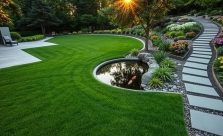
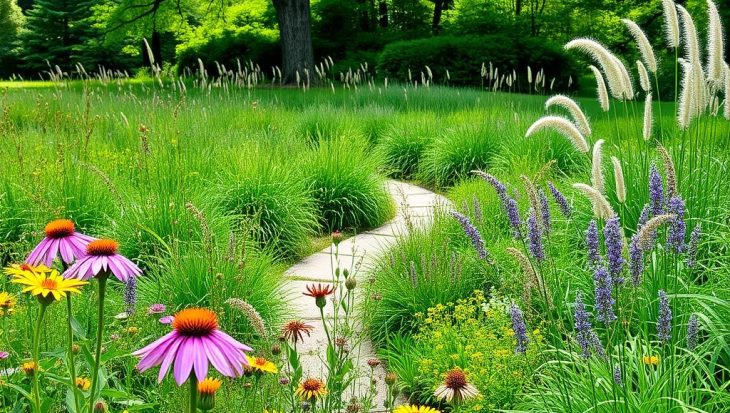
Sustainable landscaping is a new way to make beautiful outdoor spaces. It works well with local ecosystems. Homeowners in New Jersey are finding out how native plants can change their gardens and help the environment.
So, what is sustainable landscaping? It’s more than just gardening. It focuses on using native plants that fit the local climate. This method helps save water, cuts down on upkeep costs, and supports local wildlife.
New Jersey’s unique landscape is perfect for creating stunning, eco-friendly gardens. By using native plants, homeowners can make their gardens strong and easy to care for. These gardens also help local wildlife thrive.
Key Takeaways
- Native plants are perfectly adapted to New Jersey’s climate
- Sustainable landscaping reduces environmental impact
- Local ecosystems benefit from native plant selections
- Maintenance costs decrease with native plant gardens
- Native gardens support local wildlife populations
Introduction to Native Plants

Eco-friendly landscaping starts with native plants. They are key to sustainable gardening. New Jersey’s plants have evolved to thrive here, making them perfect for green gardens.
What Are Native Plants?
Native plants grow naturally in certain areas. In New Jersey, they’ve adapted to the local climate and soil. They are a big part of the state’s natural beauty, from beaches to forests.
- Naturally occur in the local ecosystem
- Adapted to regional climate and soil conditions
- Support local wildlife and biodiversity
- Require minimal maintenance
Importance of Native Plants in New Jersey
Native plants are vital for a healthy ecosystem. They offer more than just beauty. They help local animals, support pollinators, and keep biodiversity strong.
Native plants are the foundation of healthy, resilient ecosystems in New Jersey.
Using native plants in landscaping helps the environment. It also makes gardens beautiful and easy to care for. This celebrates New Jersey’s natural beauty.
Benefits of Choosing Native Plants
Native plants bring many advantages for those who want sustainable landscaping. They are not just good for the environment. They also make your garden look great.
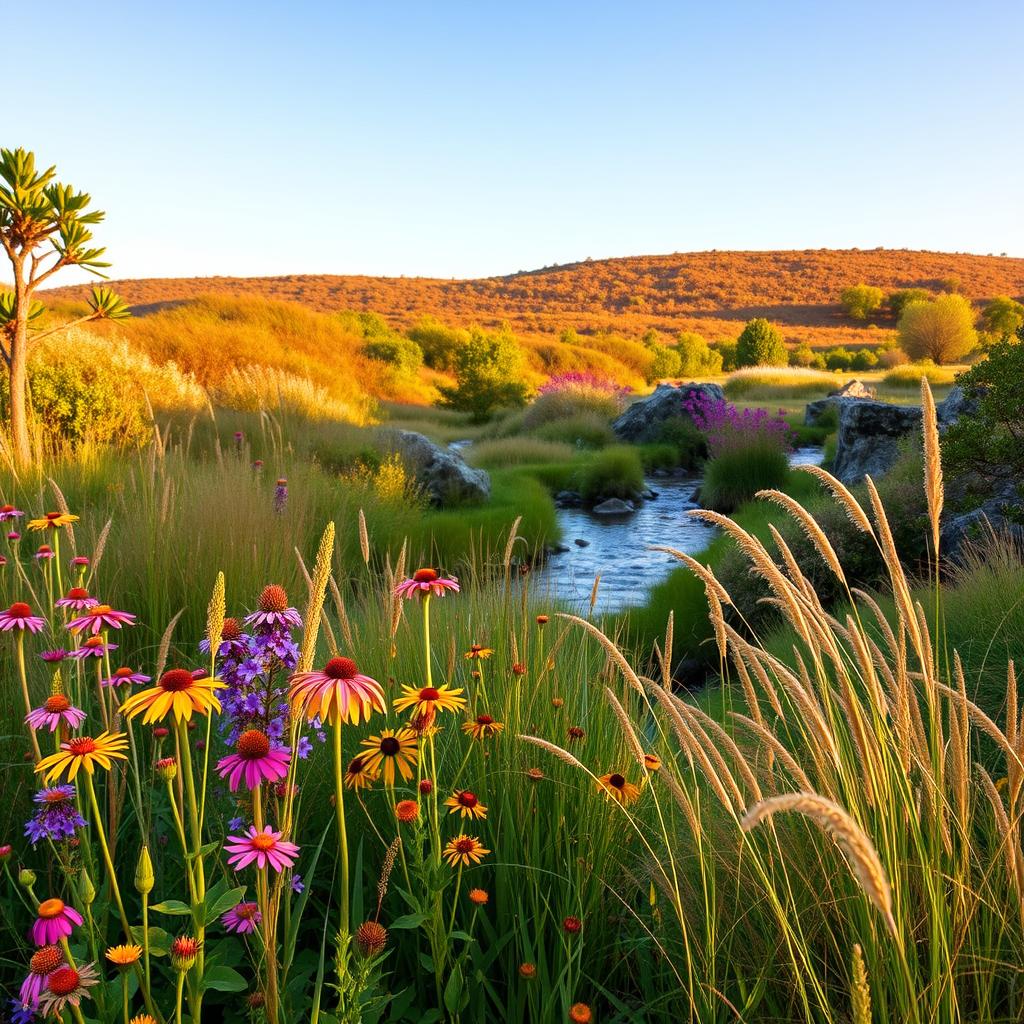
Environmental Benefits
Native plants are key to healthy local ecosystems. They help create spaces that are good for wildlife and pollinators. The perks include:
- Less water needed
- Less need for pesticides
- Better soil health
- More biodiversity
Economic Advantages
Native plants can save you money on landscaping. They need little care, use less water, and don’t need expensive chemicals.
| Cost Factor | Native Plants | Non-Native Plants |
|---|---|---|
| Water Usage | Low | High |
| Maintenance Costs | Minimal | Significant |
| Fertilizer Needs | Minimal | Regular |
Aesthetic Appeal
Native plants offer unique and stunning landscaping options. They show off New Jersey’s natural beauty. They add color, texture, and life to your garden.
“Native plants are not just environmentally responsible—they’re nature’s masterpiece in your backyard.” – Local Landscaping Expert
Types of Native Plants in New Jersey
New Jersey’s diverse landscape is perfect for sustainable landscaping. Native plants offer beautiful, eco-friendly garden options. They support local ecosystems.
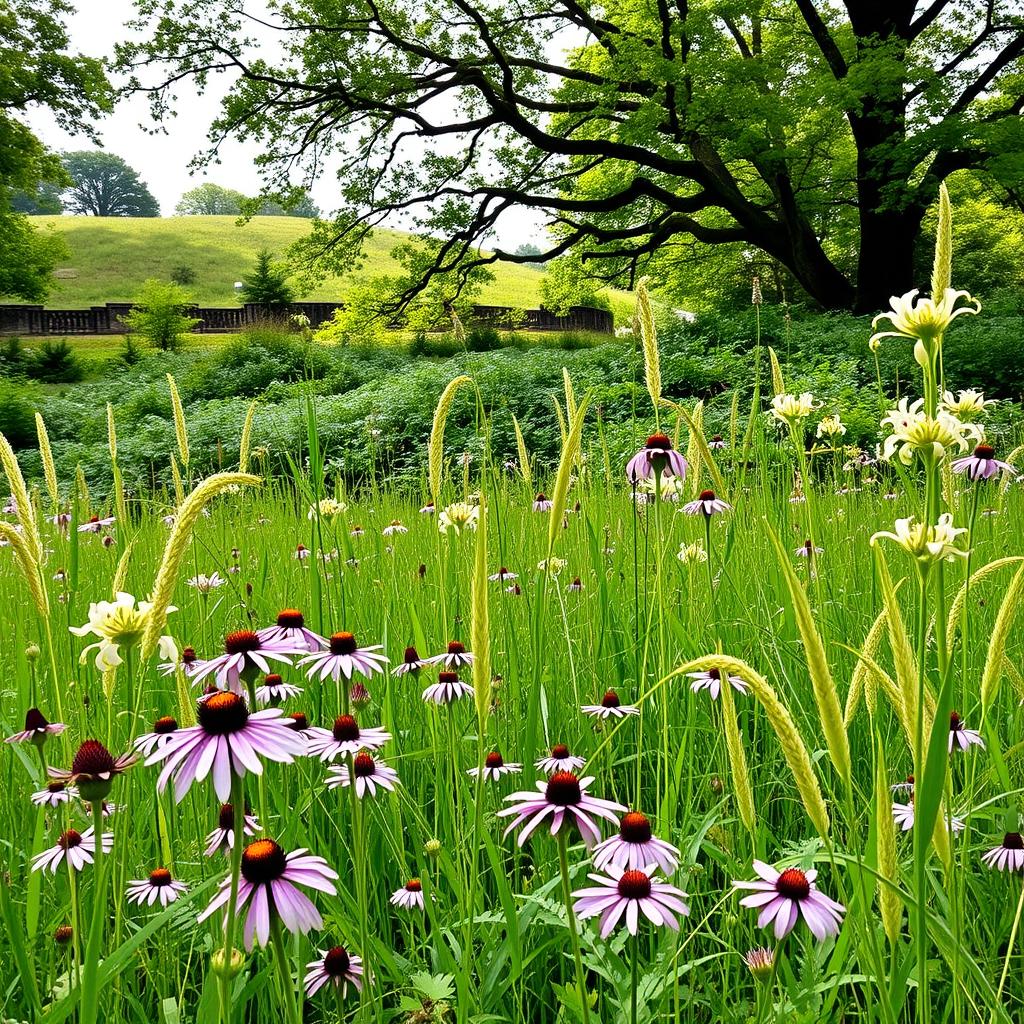
Knowing about native plants helps create stunning outdoor spaces. Each type has its own benefits for your garden.
Perennials: Nature’s Recurring Beauties
Perennials are key in New Jersey landscaping. They come back every year, adding color and texture. Some top native perennials are:
- Black-eyed Susan
- Wild Bergamot
- Purple Coneflower
- New England Aster
Shrubs and Trees: Structural Landscape Elements
Native shrubs and trees add structure to gardens. They offer shade, create boundaries, and help wildlife. Great native choices include:
- Serviceberry
- Mountain Laurel
- Eastern Red Cedar
- Spicebush
Ground Covers: Natural Garden Carpets
Ground covers prevent soil erosion and need little care. Native ground covers in New Jersey are beautiful and easy to maintain. Some great options are:
- Wild Ginger
- Moss Phlox
- Pennsylvania Sedge
- Foamflower
Choosing native plants from these groups lets homeowners create vibrant, eco-friendly gardens. These gardens celebrate New Jersey’s natural beauty.
Selecting Native Plants for Your Landscape
Creating a successful native garden needs careful planning and knowing your landscape. Sustainable landscaping starts with choosing plants that fit your local environment. It’s about picking plants that make your backyard a thriving ecosystem.
Understanding Your Soil Foundation
Soil is key for any garden. New Jersey has many soil types, from sandy to clay-rich. What Is Sustainable Landscaping and Why Does It Matter? It’s important because the right plants depend on your soil.
- Do a simple soil test to find pH and composition
- Check how well your garden drains
- Pick plants that do well in your soil
Sunlight: Nature’s Energy Source
Sunlight affects plant health and growth. Different plants need different sunlight levels. Watch your garden’s light patterns throughout the day.
- Map out sunny and shaded spots
- Choose plants that need the right light
- Think about how light changes with the seasons
Microclimate Nuances
Every garden has different areas with their own conditions. Sustainable landscaping sees these small differences as important for plant health.
“Understanding your garden’s microclimates is like understanding the unique personality of your outdoor space.” – Native Plant Expert
By looking at soil, sunlight, and microclimates, you’ll make a native plant garden that’s beautiful and smart for the environment.
Popular Native Perennials
Native perennials are key to eco-friendly landscaping in New Jersey. They make your garden look great and help local ecosystems with little upkeep. Choosing native plants lets homeowners create beautiful, eco-friendly landscapes.
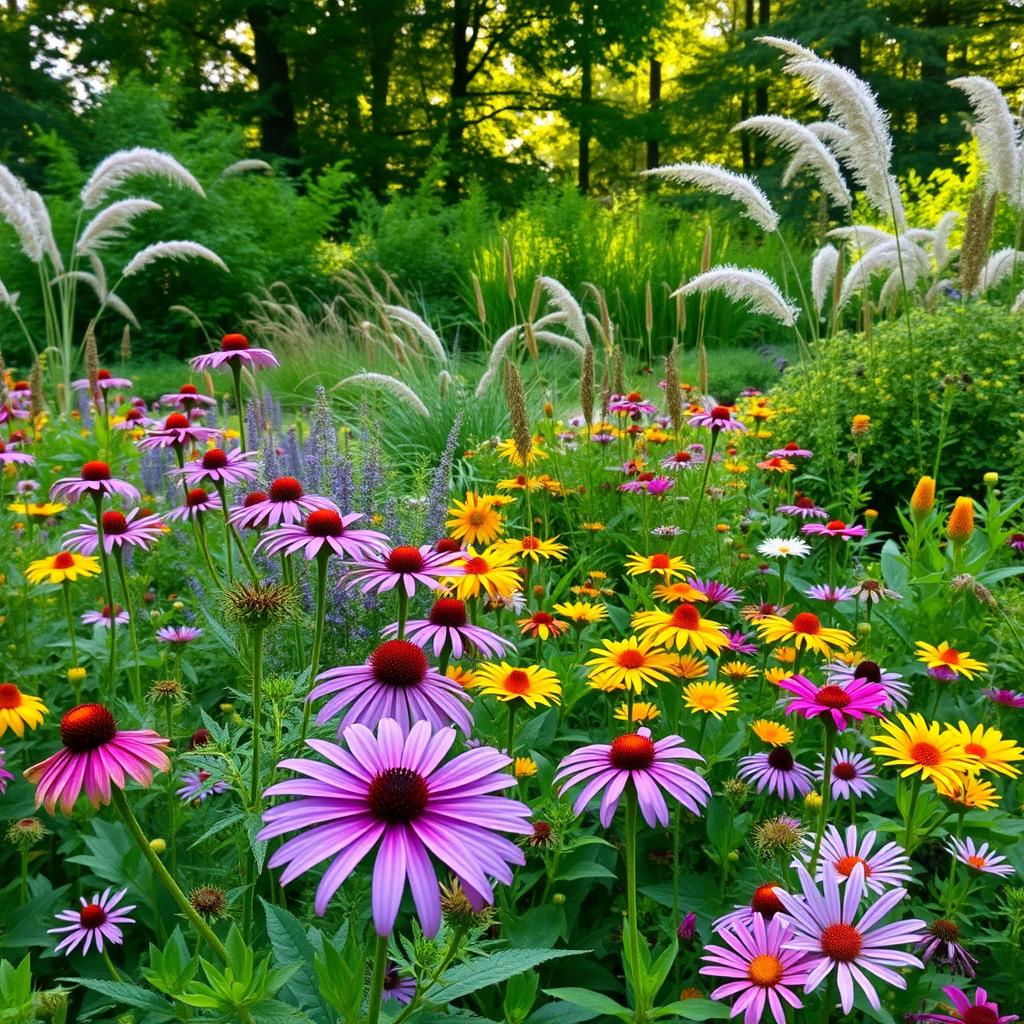
In New Jersey, gardeners have many great native perennial options. These plants are good for the environment, attract pollinators, and need little water and care.
Coneflower (Echinacea purpurea)
Coneflowers add color to eco-friendly gardens. They are drought-tolerant and have beautiful purple-pink flowers from mid-summer to early fall. They are great for:
- Height: 2-4 feet tall
- Attracting butterflies and beneficial insects
- Tolerating various soil conditions
- Being excellent for native wildlife gardens
Black-eyed Susan (Rudbeckia hirta)
Black-eyed Susans are a classic choice for native perennials. They have bright yellow flowers that bloom from June to September. They are good for:
- Blooming from June through September
- Needing little water
- Helping local pollinators
- Doing well in full sun to partial shade
Wild Bergamot (Monarda fistulosa)
Wild Bergamot, or bee balm, is a beautiful native perennial. Its lavender-pink flowers add interest and help local ecosystems.
| Native Perennial | Bloom Period | Height | Sun Requirement |
|---|---|---|---|
| Coneflower | Mid-summer to Fall | 2-4 feet | Full Sun |
| Black-eyed Susan | June-September | 1-3 feet | Full Sun |
| Wild Bergamot | July-August | 2-4 feet | Full Sun to Partial Shade |
“Native perennials are nature’s gift to sustainable landscaping – beautiful, resilient, and environmentally beneficial.” – Local New Jersey Gardening Expert
Adding these native perennials to your garden makes it beautiful and easy to care for. It also helps local wildlife and reduces harm to the environment.
Attractive Native Shrubs
Native shrubs are key to making your garden green and helping local wildlife. They make your outdoor space look great and help the environment. They also give food and shelter to animals.

Looking for the best native shrubs for your New Jersey garden? Here are some top picks that look good all year and help the environment:
Serviceberry (Amelanchier arborea)
The Serviceberry is a standout native shrub. It has beautiful white flowers in spring and tasty berries that birds love. It changes with the seasons, from flowers to fruit to fall colors.
- Reaches 15-25 feet in height
- Thrives in partial to full sun
- Produces edible berries for birds and humans
- Displays stunning autumn color
Spicebush (Lindera benzoin)
Spicebush is perfect for New Jersey gardens. Its scent and support for wildlife make it a great choice for green landscaping.
- Grows 6-12 feet tall
- Tolerates shade conditions
- Hosts butterfly larvae
- Produces early spring flowers
Mountain Laurel (Kalmia latifolia)
Mountain Laurel is a top pick for New Jersey gardens. It’s an evergreen with stunning flowers and stays interesting all year.
- Native to eastern United States
- Prefers acidic, well-drained soil
- Provides winter landscape structure
- Blooms in late spring to early summer
Adding these native shrubs to your garden makes it beautiful and eco-friendly. It also cuts down on upkeep.
Choosing Native Trees
Native trees are key in sustainable landscaping. They offer ecological benefits and make beautiful landscapes for New Jersey homes. The right native trees can turn your yard into a thriving ecosystem. This supports local wildlife and boosts environmental sustainability.
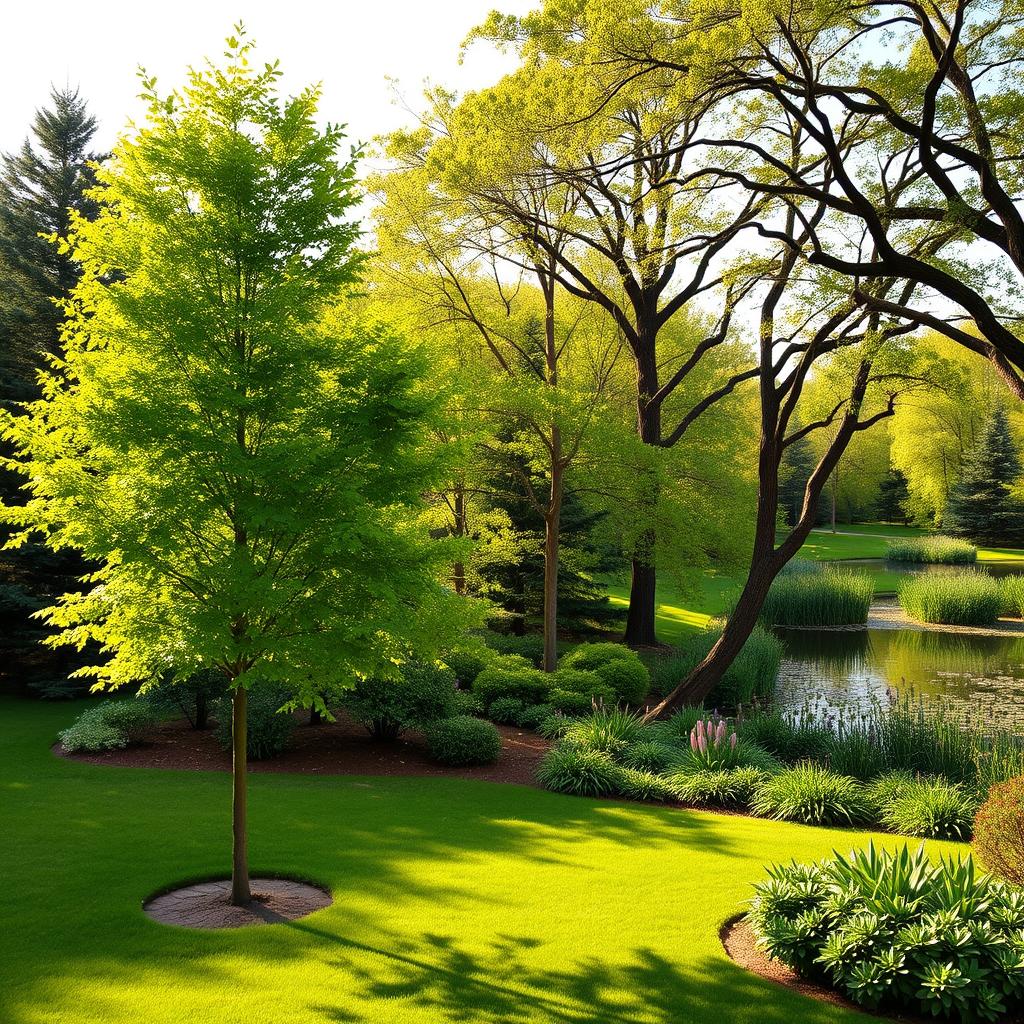
Native trees bring many benefits to sustainable landscaping. They quickly adapt to local conditions, need little care, and help native wildlife. Homeowners can make landscapes that are both stunning and eco-friendly.
Red Maple (Acer rubrum)
- Height: 40-60 feet tall
- Sunlight requirements: Full sun to partial shade
- Soil preference: Adaptable to various soil types
- Wildlife value: Provides shelter and food for birds
Eastern Red Cedar (Juniperus virginiana)
- Height: 30-40 feet tall
- Growth rate: Moderate
- Drought tolerance: Excellent
- Landscape use: Windbreak and privacy screening
Tulip Tree (Liriodendron tulipifera)
| Characteristic | Details |
|---|---|
| Maximum Height | 70-90 feet |
| Bloom Period | Late spring |
| Soil Preference | Well-drained, slightly acidic |
| Ecological Benefit | Supports pollinators |
“Native trees are living investments in our local ecosystem.” – New Jersey Native Plant Society
Adding these native trees to your landscape supports sustainable gardening. They create diverse, easy-to-care-for environments that flourish in New Jersey’s climate.
Creating Habitats for Wildlife
Sustainable landscaping is more than just making your yard look good. It helps support local ecosystems by creating homes for wildlife. Homeowners in New Jersey can turn their yards into wildlife sanctuaries by choosing native plants.
So, what is sustainable landscaping and why is it important? It’s about designing outdoor spaces that work well with the local environment. These spaces also help native wildlife thrive.
Pollinator-Friendly Gardens
Pollinator-friendly gardens are a big win for sustainable landscaping. They attract bees, butterflies, and hummingbirds, which are key to a healthy ecosystem.
- Plant nectar-rich flowers
- Provide continuous blooming seasons
- Avoid chemical pesticides
Bird-Friendly Plants
Choose native plants that offer birds shelter, nesting sites, and food. For example, shrubs like serviceberry and spicebush have berries. Trees like red maple provide safe spots for birds.
Attracting Beneficial Insects
Beneficial insects are important for keeping gardens balanced. Plants like coneflowers and wild bergamot attract insects that help control pests.
“Every native plant is a lifeline for local wildlife” – Native Plant Trust
By using these strategies, homeowners can make their landscapes sustainable. This supports biodiversity and increases their property’s ecological value.
Incorporating Native Plants into Your Garden
Creating a beautiful garden needs careful planning and design. Sustainable landscaping turns your garden into a lively ecosystem. It supports local wildlife and looks great all year.
Using native plants in your garden has many benefits. They fit well with New Jersey’s weather, need less care, and make a strong outdoor space.
Design Considerations for Native Gardens
When using native plants, keep these design tips in mind:
- Create layers with different plant heights
- Group plants by their water and sunlight needs
- Plan for beauty all year
- Think about how native plants grow
Companion Planting Strategies
Companion planting is key in sustainable landscaping. Native plants form symbiotic relationships. These relationships boost garden health and diversity.
- Pair flowering perennials with native grasses
- Combine shrubs with ground covers
- Plant pollinator-friendly species together
Seasonal Color and Texture
Native plants bring life to your garden all year. Choose species that offer:
- Spring flowers
- Summer foliage
- Autumn colors
- Winter interest
By carefully choosing native plants, you can make a garden that’s good for the planet and beautiful.
Maintenance Tips for Native Plants
Native plants need special care to grow well and keep gardens healthy. These plants are made for New Jersey’s climate. By knowing how to care for them, we can make gardens that help local wildlife.
Watering and Fertilization Strategies
Native plants need less water and food than other plants. Here are some tips for feeding them:
- Water deeply but not too often to help roots grow
- Use organic, slow-release fertilizers only when needed
- Mulch with native compost to keep moisture in
Pruning and Plant Care
Pruning is key to keeping plants healthy and strong. Here’s how to do it right:
- Take out dead or sick branches
- Prune at the right time of year
- Use clean, sharp tools for pruning
Natural Pest Management
Controlling pests in native plant gardens is all about prevention and natural methods:
| Pest Issue | Sustainable Solution |
|---|---|
| Aphids | Introduce ladybugs or neem oil |
| Fungal Growth | Improve air circulation |
| Invasive Insects | Encourage beneficial predator insects |
Sustainable landscaping focuses on keeping nature in balance, not using chemicals. By following these tips, gardeners can make gardens that are good for both plants and animals.
Resources for Homeowners
Looking into sustainable landscaping in New Jersey means finding good resources and support. Homeowners wanting to garden with native plants have many local and online options. These make gardening with native plants easier and more fun.
Finding your way in native plant gardening is simpler with the right help and info. There are many ways for gardeners to learn more and meet others who share their passion.
Local Native Plant Societies
New Jersey has many groups focused on native plants. These groups are great for those who love sustainable landscaping:
- Native Plant Society of New Jersey
- New Jersey Audubon Society
- Local county extension offices
Online Plant Databases
| Resource | Focus | Website |
|---|---|---|
| USDA Plants Database | Comprehensive Native Plant Information | plants.usda.gov |
| NJ Native Plant Society | Regional Native Species | npsnj.org |
| Lady Bird Johnson Wildflower Center | Native Plant Search | wildflower.org |
Gardening Workshops and Events
Local gardening spots and botanical gardens host workshops. These help homeowners learn about green landscaping. They offer a chance to get your hands dirty and meet gardening experts.
“Knowledge is the root of successful native plant gardening” – New Jersey Native Plant Expert
Homeowners can find workshops at local gardens, colleges, and nature centers. Seasonal events often give the latest tips on green landscaping for New Jersey’s special climate.
Conclusion: Embracing Native Plants in New Jersey
Sustainable landscaping is a great way to make New Jersey’s gardens better. It uses native plants to help local wildlife, save money, and protect the environment. This approach makes gardens strong and beautiful.
Every native garden helps the bigger ecosystem. They give homes to pollinators, birds, and insects. Plants like serviceberry and black-eyed Susan make gardens look good and need less care.
Starting a native garden is easy. Just learn about local plants and choose wisely. These gardens use less water, need fewer chemicals, and look great all year.
Begin your sustainable landscaping journey today. Visit nurseries, go to gardening classes, and join local groups. By choosing native plants, you’re helping the environment for future generations.