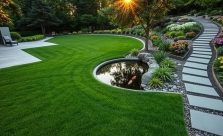
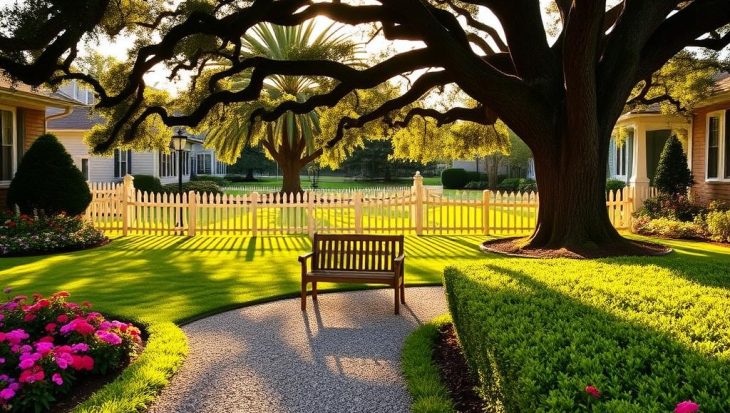
Turning your front yard into a beautiful space can seem daunting at first. But, this ultimate guide makes it easy. You don’t need to be a pro to create a stunning outdoor area. All you need is passion and some basic knowledge.
Landscaping is more than just planting flowers and cutting grass. It’s about making a welcoming space that shows off your style. This guide will teach you the basics of landscape design, how to pick the right plants, and how to plan for your yard.
This guide covers everything from knowing your yard’s special features to using eco-friendly practices. You’ll discover simple, effective ways to landscape, even if you’re new to it. It’s all about making landscaping fun and doable for beginners.
Key Takeaways
- Landscaping enhances your home’s visual appeal
- No professional experience is required to start
- Understand your yard’s unique environmental conditions
- Strategic planning leads to successful landscaping
- Sustainable practices can save money long-term
Why Landscaping is Important for Your Front Yard
Front yard landscaping is more than just plants and stones. It’s an art that turns your home’s outside into a beautiful sight. For beginners, knowing how design impacts your home is key.
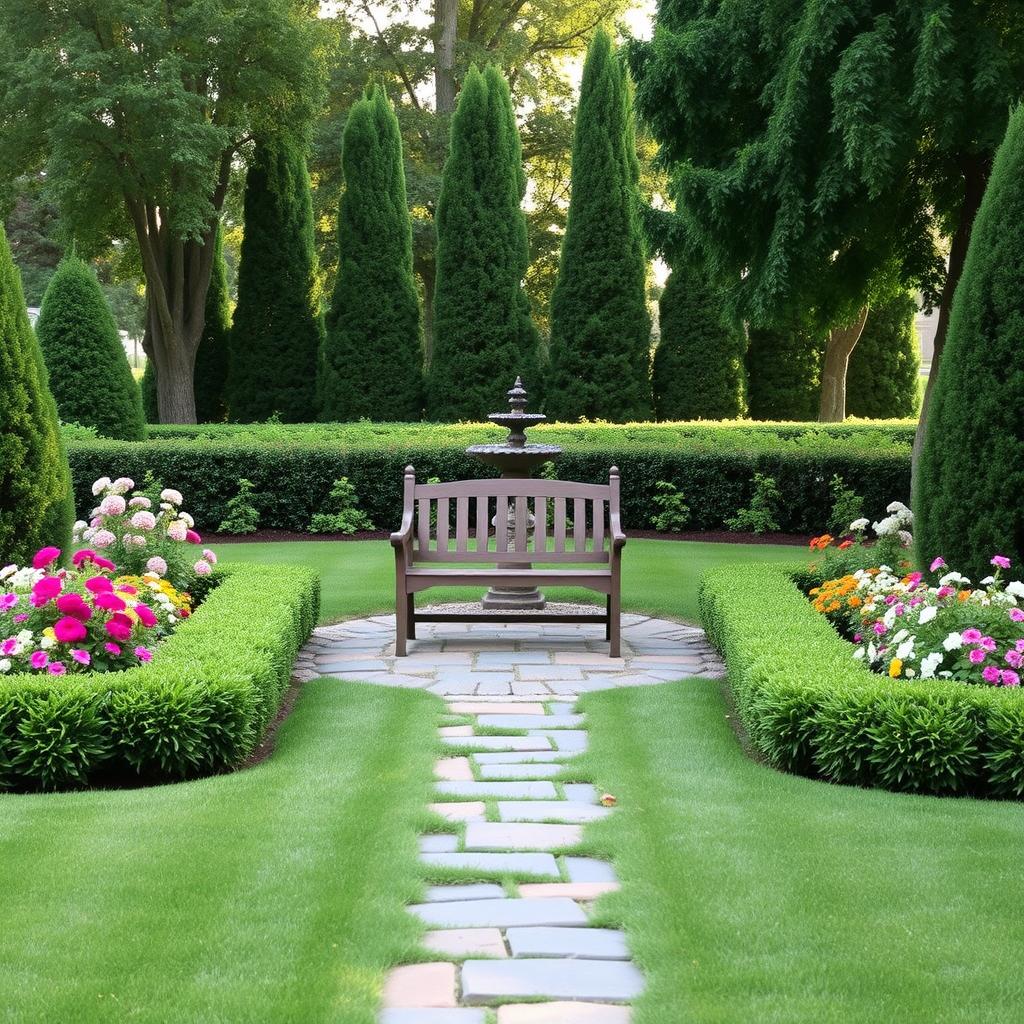
Your front yard is the first thing people see when they visit or look at your home. Landscaping tips show that a good design can make your home look better and work better.
Enhancing Curb Appeal
Curb appeal is more than looks. A well-designed front yard can:
- Create harmony with your home’s style
- Highlight your home’s special features
- Make a great first impression
- Show off your style and creativity
Adding Value to Your Home
Landscaping is not just pretty—it’s smart. Here are some ways it can increase your home’s value:
| Landscaping Investment | Potential Home Value Increase |
|---|---|
| Basic Landscaping | 5-11% property value increase |
| Professional Landscape Design | 12-20% value enhancement |
Creating a Welcoming Atmosphere
A well-designed front yard says a lot about your home. It’s not just about plants and paths—it’s about making a space that welcomes everyone.
“Your front yard is your home’s handshake with the neighborhood.” – Landscape Design Expert
By putting effort and creativity into your front yard, you’re not just improving a space. You’re creating an experience that starts when someone comes to your home.
Assessing Your Current Front Yard Situation
Before you start landscaping your front yard, you need to know what you have. It’s important to understand your yard’s unique features. This will help you create a landscaping plan that fits your home perfectly.
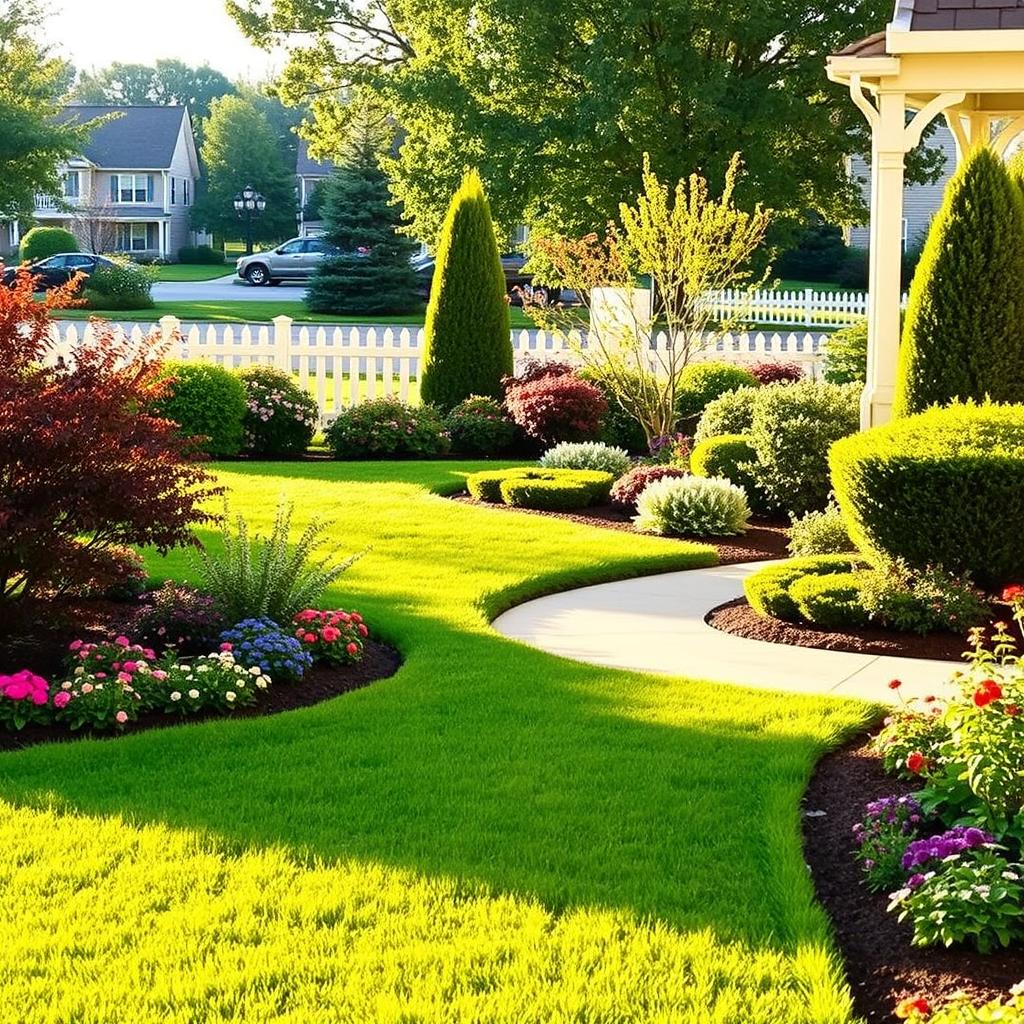
Begin by carefully examining your current landscape. Take a notebook and walk around your property. Make detailed notes about your outdoor area’s current state.
Evaluating Existing Features
When looking at your front yard, focus on these important elements:
- Existing plant life and mature trees
- Current hardscaping elements
- Natural slopes or terrain variations
- Soil quality and drainage patterns
Identifying Problem Areas
Easy front yard landscaping starts with spotting challenges. Look for specific issues that might affect your design:
- Areas with poor drainage
- Sections with inadequate sunlight
- Overgrown or dying plants
- Compacted or unhealthy soil
Understanding Your Climate
Climate is key to successful landscaping. Know your local growing conditions to pick plants that will do well. Think about:
- Average annual rainfall
- Temperature ranges
- Seasonal weather patterns
- Potential frost dates
By thoroughly assessing your front yard, you’ll lay a strong foundation for a beautiful landscape. This will boost your home’s curb appeal and show off your personal style.
Setting Your Landscaping Goals
Changing your front yard starts with a clear plan. You need to think about your style, what you need, and your budget. Whether you do it yourself or get help, knowing what you want is key.
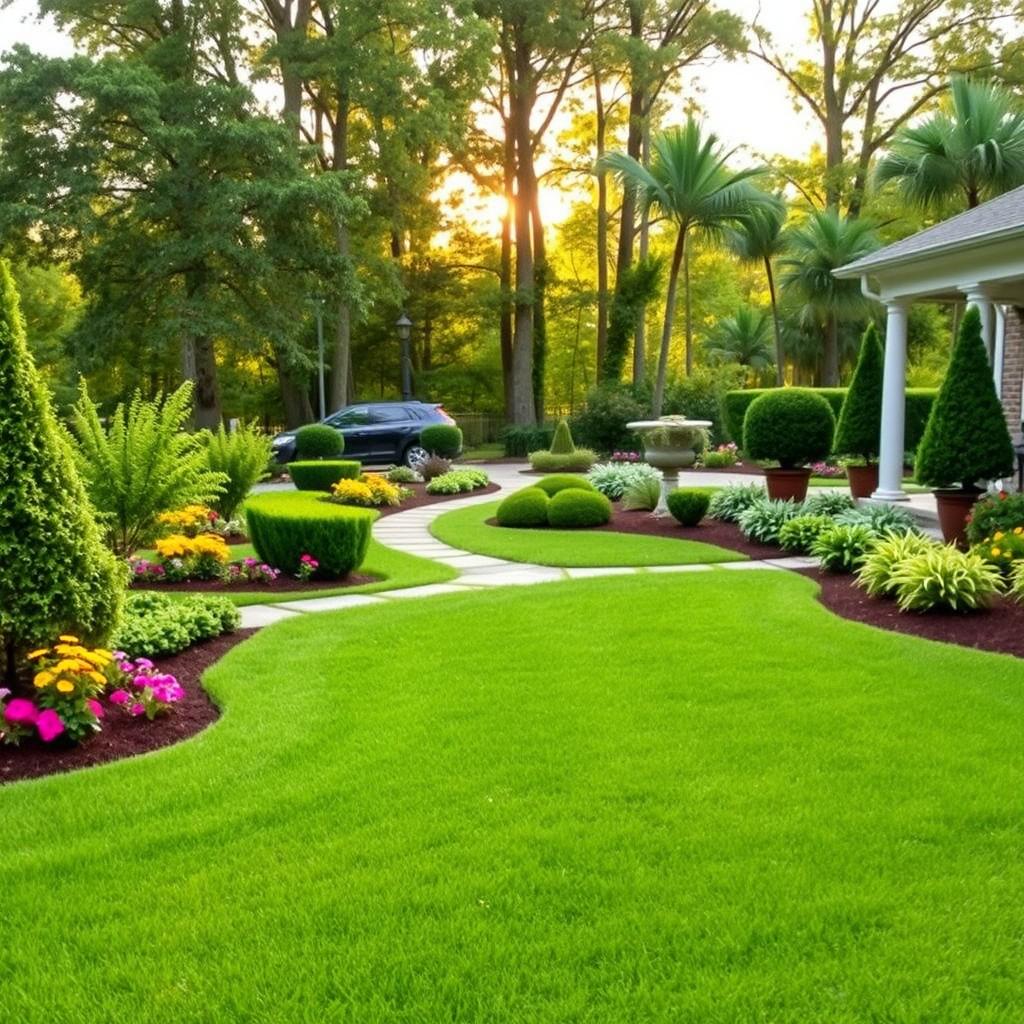
Starting a DIY project means knowing what you want and what you need. Here are the main things to think about:
Defining Your Style Preferences
Your front yard should show off your taste and match your home. Think about these styles:
- Modern Minimalist: Clean lines, geometric shapes, few plants
- Cottage Garden: Soft, romantic, lots of flowers
- Desert Landscape: Uses plants that don’t need much water
- Traditional: Symmetrical design with classic features
Considering Functional Needs
Landscaping is not just about looks. Think about what you need:
- Privacy screens
- Ways to handle water
- Paths for easy movement
- Places for play or relaxing
Budgeting for Your Project
Managing your budget is important for DIY projects. Here’s how to spend wisely:
- Make a detailed budget
- Look for cheaper materials
- Do the project in steps
- Focus on quality in key areas
Pro tip: Always save 10-15% of your budget for surprises.
Designing Your Landscape Layout
Creating a stunning front yard landscape needs careful planning and creativity. The ultimate beginner’s guide to landscaping your front yard starts with understanding how to design a layout. This layout transforms your outdoor space into a beautiful and functional area.
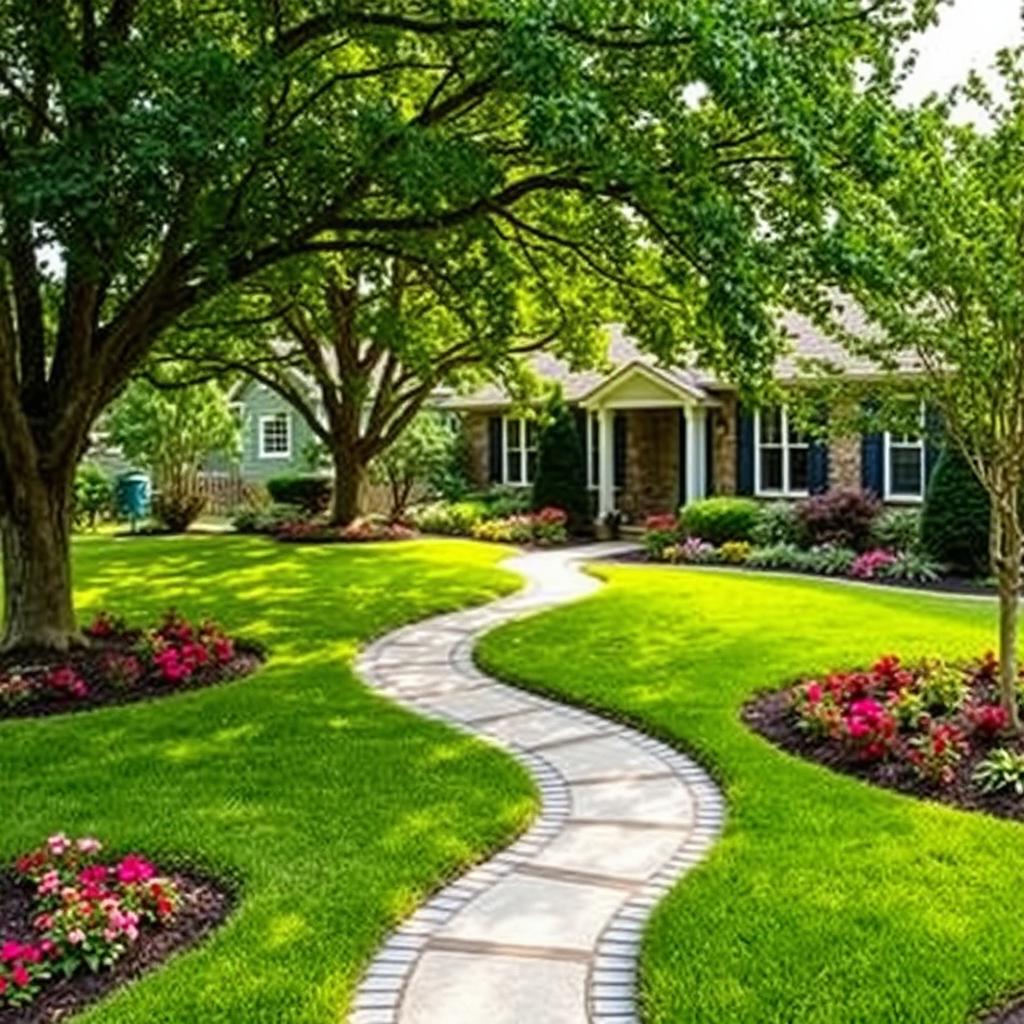
Designing your front yard landscape involves several key steps. These steps help you create an inviting and cohesive outdoor space. Front yard landscaping ideas are not just about random plant placement. They are about creating a thoughtful and strategic design.
Choosing the Right Plants
Selecting plants is key for a successful landscape design. Consider these essential factors:
- Plant height and growth patterns
- Color combinations and seasonal variations
- Sunlight and soil conditions
- Maintenance requirements
Planning Hardscaping Elements
Hardscaping provides structure and functionality to your front yard. Consider incorporating:
- Walkways that guide visitors
- Retaining walls for visual interest
- Decorative stones or gravel areas
- Seating zones or small patio spaces
Creating Focal Points
Focal points draw the eye and add visual interest to your landscape. Strategic placement of unique elements can transform an ordinary front yard into an extraordinary outdoor space.
- Water features like small fountains
- Distinctive trees or sculptural plants
- Artistic garden sculptures
- Dramatic lighting installations
By carefully considering plant selection, hardscaping, and focal points, you can design a front yard landscape. This landscape reflects your personal style while boosting your home’s curb appeal.
Choosing the Right Plants for Your Front Yard
Picking the right plants is key to a beautiful front yard. For beginners, knowing how to choose plants can greatly improve your yard’s look and upkeep.
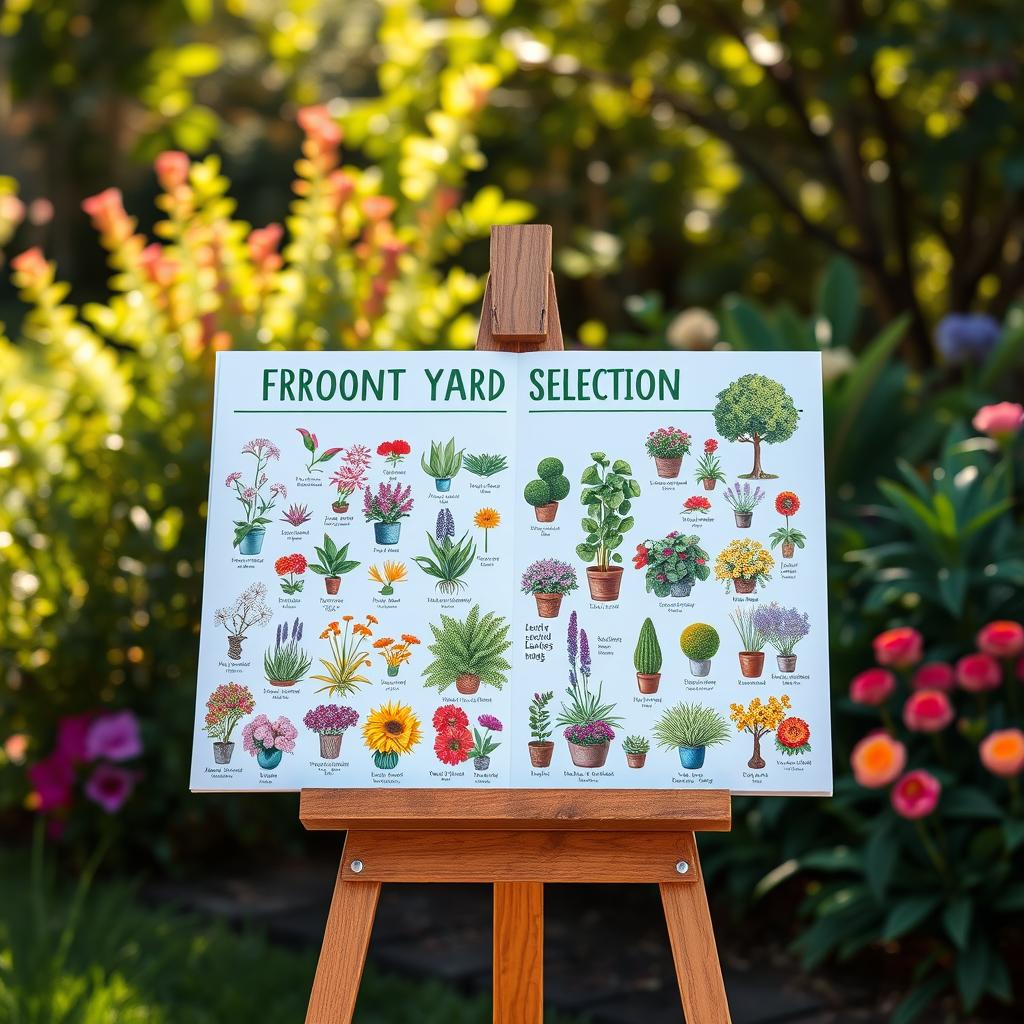
When starting with landscaping, keep these points in mind for your front yard plants:
- Local climate conditions
- Sunlight exposure
- Soil type
- Water requirements
Native vs. Non-Native Plants
Native plants are a great choice for your front yard. They naturally fit your area’s climate, needing less care and helping local wildlife.
| Plant Type | Maintenance Level | Water Needs |
|---|---|---|
| Native Perennials | Low | Minimal |
| Exotic Ornamentals | High | Regular |
Seasonal Considerations
Think about the whole year when picking plants. Pick ones that look good all year, making your yard lively in every season.
Maintenance Requirements
Beginners should focus on easy-to-care-for plants. Plants that need little water and are native are perfect for those new to gardening.
“The right plant in the right place reduces maintenance and increases beauty” – Landscape Design Principle
Good front yard landscaping is about creating a beautiful, easy-to-maintain space. It should show your style and need little care.
Key Hardscaping Features to Consider
Learning to landscape your front yard starts with hardscaping. These elements make your outdoor space look great and work well. They add beauty and solve practical problems.
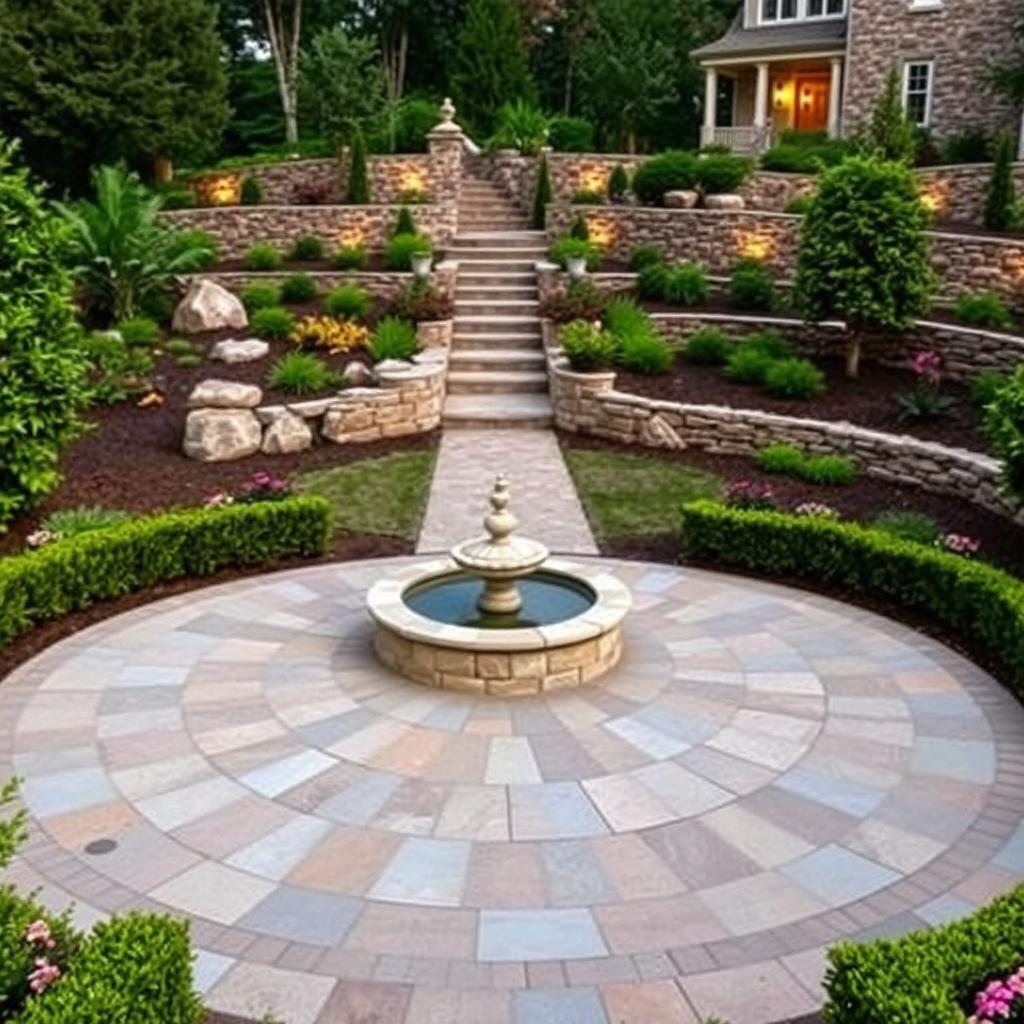
Hardscaping turns a simple front yard into a beautiful landscape. It uses structural parts that match nature. Knowing how to use these techniques can make your yard look and work better.
Walkways and Patios: Creating Inviting Paths
Walkways are key in your front yard. They guide visitors and add beauty. Here are some materials for paths:
- Natural stone pavers
- Concrete stamped designs
- Brick patterns
- Gravel pathways
Retaining Walls: Structural Beauty
Retaining walls solve problems and look good. They control slopes, stop erosion, and make terraces.
| Wall Type | Best Used For | Durability |
|---|---|---|
| Natural Stone | Steep slopes | High |
| Concrete Block | Large elevation changes | Medium-High |
| Timber | Small garden terraces | Low-Medium |
Decorative Fencing: Defining Boundaries
Fencing changes your front yard’s look. Choose styles that match your home for privacy and beauty.
- Wrought iron for classic elegance
- Wooden picket for traditional charm
- Horizontal slat for modern design
Adding these hardscaping features needs planning. Pick materials that last in your area and fit your design.
Sustainable Landscaping Practices
Creating an eco-friendly front yard is key in modern landscaping. A beginner-friendly guide helps homeowners make their outdoor spaces better for the environment. These practices not only lessen ecological harm but also make landscapes beautiful and strong, supporting local ecosystems.
Water Conservation Techniques
Smart water use is vital in landscaping. Homeowners can cut down water use in several ways:
- Install drip irrigation systems
- Collect rainwater using rain barrels
- Choose drought-resistant native plants
- Use mulch to retain soil moisture
Choosing Eco-Friendly Materials
Using sustainable materials changes how you landscape. Here are some green options:
| Material | Environmental Benefit |
|---|---|
| Recycled Composite Decking | Reduces wood consumption |
| Permeable Pavers | Improves water drainage |
| Locally Sourced Stone | Minimizes transportation emissions |
Supporting Local Wildlife
Turn your front yard into a wildlife haven with native plants and habitat-friendly areas. Native plants attract pollinators like bees and butterflies. They also offer food and shelter for local birds.
- Plant native flowering species
- Create small water features
- Avoid chemical pesticides
- Include diverse plant heights and types
Maintenance Essentials for Your Front Yard
Keeping your front yard beautiful is easy. For beginners, a regular maintenance routine is key. It helps keep your outdoor space looking great.
Understanding yard care basics is the first step. A well-kept landscape looks good and protects your investment.
Regular Lawn Care Fundamentals
For a healthy lawn, you need to pay attention regularly. Here are some easy steps:
- Mow grass to recommended height (typically 2.5-3 inches)
- Water deeply but infrequently
- Fertilize according to grass type and season
- Remove weeds promptly
Seasonal Plant Care Strategies
Each season has its own landscaping needs. Adjust your care routine to keep your plants healthy all year.
- Spring: Prune dead branches, prepare beds for new plantings
- Summer: Regular watering, mulching to retain moisture
- Autumn: Clean up fallen leaves, prepare plants for winter
- Winter: Protect sensitive plants, minimal maintenance
Troubleshooting Common Landscaping Challenges
Even pros face problems. Knowing how to fix common issues can save your landscape.
- Identify pest infestations early
- Watch for signs of plant disease
- Check drainage to prevent water-related stress
- Monitor soil health and nutrient levels
Follow these tips to create a beautiful front yard. It will stay healthy and vibrant all year.
DIY vs. Hiring a Professional Landscaper
Starting with DIY front yard landscaping can be daunting for beginners. The Ultimate Beginner’s Guide to Landscaping Your Front Yard helps you know when to DIY or hire a pro.
Pros and Cons of DIY Landscaping
DIY landscaping has its pluses and minuses. Here are the main points:
- Cost Savings: You can save money by doing it yourself
- Personal Satisfaction: Enjoy the satisfaction of creating your outdoor space
- Learning Opportunity: Learn new skills and about landscape design
- Time Investment: It takes a lot of your time and effort
- Skill Limitations: You might not have the skills for complex projects
When to Hire a Professional
Some projects need expert knowledge. You should hire a pro for:
- Big landscape changes
- Complex drainage or grading issues
- Special hardscaping like retaining walls
- Advanced irrigation system setups
Finding the Right Landscape Contractor
Finding a good landscape contractor takes research. Look for recommendations at local gardening centers, read online reviews, and ask for detailed quotes. Make sure they are licensed, insured, and have a good portfolio.
Pro tip: Always get multiple quotes and check references before hiring a landscape contractor.
Seasonal Landscaping Tips
Keeping your front yard beautiful all year needs careful planning. Knowing how to landscape your front yard means adjusting to each season’s needs. Follow these tips to keep your outdoor space looking great all year.
Good front yard landscaping changes with the seasons. Each season has its own tasks and tips to keep your yard looking good.
Spring Preparation: Breathing New Life into Your Landscape
Spring is the best time to wake up your front yard after winter. Here are the main things to do:
- Clean up winter debris and fallen branches
- Prune dormant shrubs and trees
- Test and amend soil conditions
- Plant new perennials and seasonal flowers
Summer Maintenance: Keeping Your Landscape Thriving
Summer needs regular care to keep your front yard looking good. Here are the key maintenance steps:
| Task | Frequency | Key Considerations |
|---|---|---|
| Watering | 2-3 times per week | Early morning or evening to reduce evaporation |
| Mulching | Once per season | Retain moisture and suppress weeds |
| Pest Control | As needed | Use organic treatments when possible |
Autumn Cleanup and Winter Preparation
As it gets colder, protect your yard with winter prep:
- Remove fallen leaves and organic debris
- Protect sensitive plants with mulch or burlap
- Drain and store irrigation equipment
- Trim perennials and prepare for dormancy
Pro tip: Always check local climate recommendations for specific seasonal landscaping techniques in your region.
Final Touches for a Beautiful Front Yard
Turning your front yard into a beautiful space is more than just plants and paths. It’s about adding personal touches that show off your style. A beginner-friendly guide helps you see how small details can change your outdoor area.
Outdoor lighting is key to making your yard look great and safe at night. Solar lights from Philips or Ring can light up paths and make your home welcoming. Low-voltage lights around your garden can make your yard look amazing after dark.
Selecting Outdoor Furniture
Choosing outdoor furniture is all about finding the right mix of style and function. Look for weather-resistant pieces from brands like Pottery Barn or West Elm. They offer comfy seating that fits your yard’s design.
Think about using compact sets or modular seating. These options fit well in any yard, no matter its size or shape.
Seasonal Decorations
Seasonal decorations bring your yard to life all year. Try using potted plants, wreaths, and small ornaments to keep things interesting. From tulips in spring to pumpkins in fall, these touches show off your creativity.
FAQ
How much does front yard landscaping typically cost for beginners?
How much does front yard landscaping typically cost for beginners?
FAQ
How much does front yard landscaping typically cost for beginners?
The cost can vary a lot. Beginners might spend 0 to ,000. This depends on the yard size and project complexity. Small DIY projects might cost 0-
FAQ
How much does front yard landscaping typically cost for beginners?
The cost can vary a lot. Beginners might spend $500 to $5,000. This depends on the yard size and project complexity. Small DIY projects might cost $500-$1,500. More detailed designs could be $2,000-$5,000.
Homeowners can save by doing some work themselves. Focus on the most important improvements to cut costs.
How long does it take to complete a front yard landscaping project?
Most projects take 2-4 weeks for beginners. Simple projects might need just a weekend. But bigger redesigns could take several weekends or even a month.
Plan carefully and break the project into stages. This makes it easier to manage.
What are the most important plants for beginners to consider?
Beginners should choose low-maintenance, native plants. Good options include Black-Eyed Susans, Lavender, Coneflowers, and Ornamental Grasses. These plants are hardy and need little care.
Native plants are also great because they fit well with local soil and weather.
Do I need special tools to start landscaping my front yard?
You’ll need basic tools like a shovel, rake, pruning shears, and gloves. A wheelbarrow and garden hose are also essential. For bigger projects, you might need a tiller or edger.
Many stores offer tool rentals. This is a good option if you don’t want to buy expensive equipment for a single project.
How can I landscape on a tight budget?
To landscape on a budget, start with a detailed plan. This helps avoid unnecessary purchases. Use native, low-maintenance plants and buy smaller ones.
Use mulch for an affordable ground cover. Do the work yourself to save money. Look for plant sales at local nurseries. Divide existing plants to create new elements.
How do I choose the right plants for my climate?
To choose the right plants, check your USDA Hardiness Zone. Consult local nurseries for recommendations. Consider sunlight and soil type in your yard.
Research plants native to your area. Think about the mature size of plants and maintenance needs.
What are the most common mistakes beginners make in landscaping?
Common mistakes include overcrowding plants and ignoring soil quality. Improper plant placement and not considering mature sizes are also errors.
Neglecting drainage and choosing high-maintenance plants are mistakes. Failing to plan for seasonal changes and not creating a cohesive design are also common.
How often should I maintain my newly landscaped front yard?
Maintenance frequency varies by landscape. Generally, mow weekly during the growing season. Weed every 2-3 weeks and prune 1-2 times a year.
Fertilize 2-4 times a year and mulch annually. Water as needed, usually 1-2 times a week.
,500. More detailed designs could be ,000-,000.
Homeowners can save by doing some work themselves. Focus on the most important improvements to cut costs.
How long does it take to complete a front yard landscaping project?
Most projects take 2-4 weeks for beginners. Simple projects might need just a weekend. But bigger redesigns could take several weekends or even a month.
Plan carefully and break the project into stages. This makes it easier to manage.
What are the most important plants for beginners to consider?
Beginners should choose low-maintenance, native plants. Good options include Black-Eyed Susans, Lavender, Coneflowers, and Ornamental Grasses. These plants are hardy and need little care.
Native plants are also great because they fit well with local soil and weather.
Do I need special tools to start landscaping my front yard?
You’ll need basic tools like a shovel, rake, pruning shears, and gloves. A wheelbarrow and garden hose are also essential. For bigger projects, you might need a tiller or edger.
Many stores offer tool rentals. This is a good option if you don’t want to buy expensive equipment for a single project.
How can I landscape on a tight budget?
To landscape on a budget, start with a detailed plan. This helps avoid unnecessary purchases. Use native, low-maintenance plants and buy smaller ones.
Use mulch for an affordable ground cover. Do the work yourself to save money. Look for plant sales at local nurseries. Divide existing plants to create new elements.
How do I choose the right plants for my climate?
To choose the right plants, check your USDA Hardiness Zone. Consult local nurseries for recommendations. Consider sunlight and soil type in your yard.
Research plants native to your area. Think about the mature size of plants and maintenance needs.
What are the most common mistakes beginners make in landscaping?
Common mistakes include overcrowding plants and ignoring soil quality. Improper plant placement and not considering mature sizes are also errors.
Neglecting drainage and choosing high-maintenance plants are mistakes. Failing to plan for seasonal changes and not creating a cohesive design are also common.
How often should I maintain my newly landscaped front yard?
Maintenance frequency varies by landscape. Generally, mow weekly during the growing season. Weed every 2-3 weeks and prune 1-2 times a year.
Fertilize 2-4 times a year and mulch annually. Water as needed, usually 1-2 times a week.