
Creating a stunning lawn is more than just cutting the grass. It needs effective lawn mowing tips for a vibrant, healthy outdoor space. Professional advice can turn an ordinary yard into a lush green paradise.
Proper mowing techniques are key to a beautiful landscape. Homeowners who know lawn maintenance can get amazing results. Lawn mowing is not just about cutting grass; it’s about caring for a living ecosystem in your yard.
Successful lawn care needs knowledge, precision, and dedication. From choosing the right equipment to understanding grass growth, every detail matters. This guide will help you improve your lawn maintenance skills.
Key Takeaways
- Consistent mowing is key for lawn health
- Different grass types need unique care
- Proper mower maintenance boosts cutting power
- Mowing height affects grass strength
- Regular lawn care prevents damage
Understanding the Importance of Lawn Mowing
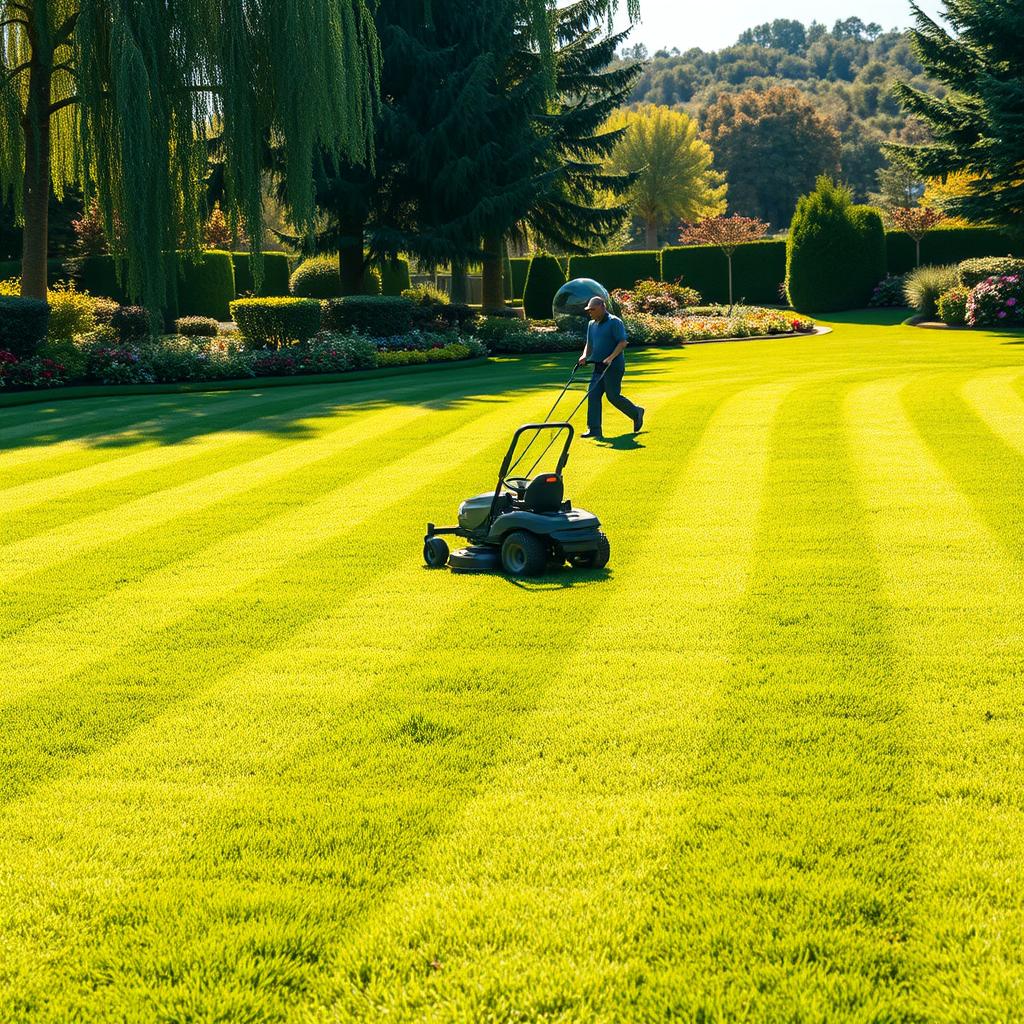
Keeping your lawn healthy is more than just a quick trim. Professional mowing techniques are key to a lush, vibrant outdoor space. This boosts your property’s look and health.
Benefits of Regular Mowing
Regular lawn mowing has many benefits for your grass and landscape. Using professional mowing methods, homeowners can enjoy several advantages:
- Encourages stronger grass growth
- Prevents weed establishment
- Improves lawn density
- Reduces pest habitats
- Enhances overall lawn appearance
How Mowing Affects Grass Health
Mowing impacts grass health in important ways. Each cut makes grass grow stronger, leading to thicker, more resilient turf.
| Mowing Impact | Grass Response |
|---|---|
| Regular Cutting | Increased Root Development |
| Proper Height Maintenance | Enhanced Nutrient Absorption |
| Consistent Trimming | Improved Grass Density |
Understanding these principles helps homeowners create a long-term lawn care plan. This plan promotes grass health and beauty.
Choosing the Right Mower for Your Lawn
Choosing the right lawn mower is key to a healthy, attractive yard. Your mower choice affects your lawn care quality and best practices. Different mowers fit different lawn types and needs.
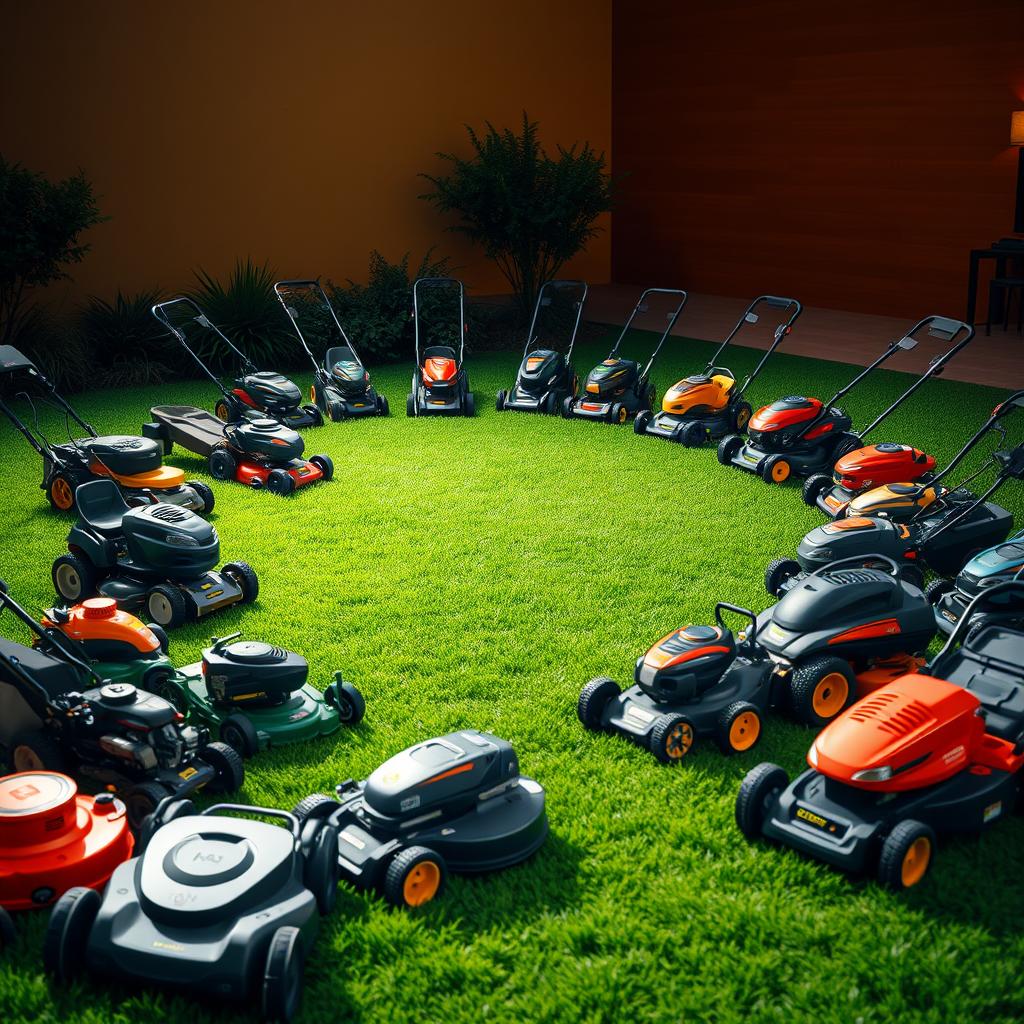
Knowing the types of lawn mowers helps you make a smart choice. Each type has its own benefits for various lawn sizes and terrains.
Lawn Mower Types and Their Benefits
- Push Mowers: Great for small to medium lawns
- Self-Propelled Mowers: Easier on larger or sloped yards
- Riding Mowers: Best for big properties
- Robotic Mowers: Automated cutting with little effort
Key Factors in Mower Selection
| Consideration | Important Factors |
|---|---|
| Lawn Size | Determines mower type and power needed |
| Terrain | Flat, sloped, or uneven surfaces |
| Budget | Range from $100 to $3,000 |
| Maintenance | Electric vs. gas-powered requirements |
“The right mower transforms lawn care from a chore to a pleasure.” – Professional Landscaper
Spending time to pick the right mower makes lawn care easier. Think about your yard, your strength, and your future lawn care plans.
Mowing Height: The Key to a Healthy Lawn
Getting the perfect lawn is more than just cutting it. The right mowing height is key for a lush, vibrant lawn. Knowing how to cut your lawn can make it stand out.
First, it’s important to know the ideal mowing height for your grass type. Each grass variety needs specific conditions to thrive. So, it’s vital to follow the right mowing guidelines for your lawn.
Recommended Grass Cutting Heights
- Cool-Season Grasses: Typically cut between 2.5 to 4 inches
- Warm-Season Grasses: Usually maintained at 1 to 3 inches
- Bermuda grass: Prefers shorter cuts around 1-1.5 inches
- Kentucky Bluegrass: Best at 2.5-3.5 inches
Impact of Cutting Height on Grass Growth
The right mowing height is critical for grass health. Cutting too short can stress the grass. Leaving it too long can lead to pest and disease issues.
| Cutting Height | Impact on Lawn | Root Development |
|---|---|---|
| Too Short ( | Weakens grass, exposes soil | Reduces root depth |
| Optimal Height | Strong, dense lawn | Deep, robust root system |
| Too Long (> 4 inches) | Increases disease risk | Shallow root development |
For a healthier lawn, mow consistently and correctly. Adjust your mowing height with the seasons and grass type for the best results.
Pro Tip: Never remove more than one-third of the grass blade length in a single mowing session.
Essential Lawn Mowing Techniques
Getting a professional-looking lawn is more than just mowing. It’s about using the right techniques to keep your lawn healthy and looking great. Learning these methods can turn your yard into a beautiful green space that everyone admires.

Learning lawn care starts with smart mowing patterns. Experts say it’s not just about when you mow, but how you do it.
Mowing Patterns for Even Cutting
Using consistent mowing patterns helps your grass grow evenly and prevents damage. Here are some tips from the pros:
- Alternate mowing directions with each session
- Create visual interest by changing stripe patterns
- Overlap slightly during each pass to ensure complete coverage
- Maintain consistent walking speed for uniform cutting
The Importance of Sharp Mower Blades
Dull mower blades can harm your grass and affect its health. Sharp blades make clean cuts, helping your grass recover fast and stay healthy.
- Sharpen blades at least once per season
- Replace blades every 1-2 years
- Check for nicks and damage after each use
By following these tips, you can have a lush, healthy lawn that impresses everyone in your neighborhood.
Best Mowing Practices Based on Grass Types
Knowing the right mowing for different grass types is key to a healthy lawn. Each grass type has its own needs for the best cutting practices. This ensures they grow well and look great.
It’s important to know the difference between cool-season and warm-season grasses. This knowledge helps in choosing the right mowing techniques. This way, you can take care of your lawn effectively.
Cool-Season Grass Mowing Guidelines
Cool-season grasses do well in areas with changing temperatures. They include popular types like:
- Kentucky Bluegrass
- Tall Fescue
- Perennial Ryegrass
These grasses need specific mowing:
| Grass Type | Ideal Mowing Height | Recommended Mowing Frequency |
|---|---|---|
| Kentucky Bluegrass | 2.5-3.5 inches | Weekly during growing season |
| Tall Fescue | 3-4 inches | Every 7-10 days |
| Perennial Ryegrass | 2-3 inches | Weekly during active growth |
Warm-Season Grass Mowing Strategies
Warm-season grasses grow best in southern areas. They include:
- Bermuda Grass
- St. Augustine
- Zoysia Grass
They need a different mowing approach:
| Grass Type | Ideal Mowing Height | Mowing Frequency |
|---|---|---|
| Bermuda Grass | 1-1.5 inches | Every 5-7 days |
| St. Augustine | 2-3 inches | Weekly during peak growth |
| Zoysia Grass | 1-2 inches | Every 7-10 days |
Pro tip: Always adjust your mowing practices based on local climate, grass type, and seasonal variations to maintain a lush, healthy lawn.
Timing Your Lawn Mowing for Optimal Results
Getting the timing right for lawn mowing is key to a healthy lawn. Knowing when and how to mow can make your lawn care efforts pay off.

The secret to great lawn care is in the mowing schedule. Each season requires a different approach to keep your grass looking perfect.
Ideal Times to Mow Grass
- Mow during mid-morning when grass is dry but not scorching
- Avoid mowing during peak afternoon heat
- Skip mowing when grass is wet to prevent disease and damage
Seasonal Mowing Frequency Guide
Your mowing schedule changes a lot with the seasons:
- Spring: Mow every 5-7 days as grass grows fast
- Summer: Mow every 7-10 days in the hot weather
- Fall: Mow less often, every 10-14 days
- Winter: You might not need to mow at all
Experts say to adjust your mowing based on your grass type, local weather, and your lawn’s needs. Regular care and watching your lawn closely are essential for a lush, green lawn.
Adjusting Your Mower for Different Conditions
Keeping your lawn healthy means being flexible and knowing how the environment affects your grass. Professional mowing techniques require adjusting to changes in weather and seasons. This ensures your lawn stays healthy all year round.
Lawn mowing tips vary by grass type and environmental conditions. Each situation needs a special approach for the best results.
Navigating Wet vs. Dry Grass Challenges
Mowing wet grass is tough for homeowners. It harms your lawn and your mower’s performance.
- Avoid mowing when grass is saturated
- Wait until grass blades are dry
- Wet grass clumps and tears instead of cutting cleanly
Seasonal Mowing Adaptations
Professional mowing techniques change with the seasons. Knowing these changes helps keep your lawn vibrant and strong.
| Season | Mowing Recommendation | Height Adjustment |
|---|---|---|
| Spring | Frequent, light cuts | 2.5-3 inches |
| Summer | Less frequent, higher cut | 3-4 inches |
| Fall | Gradually reduce cutting frequency | 2.5-3 inches |
| Winter | Minimal to no mowing | Not applicable |
Pro tip: Always clean and sharpen mower blades between seasonal transitions to ensure precise cutting and lawn health.
How to Maintain Your Lawn Mower
Keeping your lawn mower in good shape is key. It makes sure your mower works well and lasts longer. Smart lawn care tips can help you keep your mower in top condition. This supports a healthy and beautiful lawn.
Essential Maintenance Routine
Regular care stops unexpected breakdowns and expensive fixes. Follow these lawn maintenance tips to keep your mower running well:
- Clean the mower after each use to remove grass clippings and debris
- Check and change the oil according to manufacturer recommendations
- Inspect and replace air filters regularly
- Sharpen or replace mower blades at least once per season
- Store the mower in a dry, protected area during off-seasons
Troubleshooting Common Mower Problems
Lawn mowers can have issues, even with good care. Here are common problems and how to fix them:
- Hard Starting: Check spark plug, fuel quality, and battery connections
- Uneven Cutting: Ensure blades are sharp and properly balanced
- Strange Noises: Inspect for loose parts or possible mechanical damage
If you face complex issues, get help from a professional repair service. This prevents more damage to your lawn care equipment.
Troubleshooting Common Lawn Mowing Problems
Keeping your lawn healthy means knowing how to cut grass right. Many people face problems that can ruin their lawn’s look and health.
Solving Uneven Cuts
Uneven cuts can mess up your lawn’s look. Here are some tips to get a smooth lawn:
- Check and sharpen mower blades often
- Keep mowing speed steady
- Overlap mowing paths a bit to avoid missed spots
- Make sure tire pressure is right for even height
Preventing Lawn Burn
Lawn burn happens when mowing damages the grass, leaving brown spots. To avoid this, use these careful cutting tips:
- Don’t mow when it’s very hot
- Keep grass at the right height for your grass type
- Use sharp blades to reduce grass stress
- Water the lawn before and after mowing to lessen heat damage
Learning these grass cutting tips can turn lawn care into a skill. With patience and the right methods, you can have a beautiful lawn that everyone will admire.
Mowing and Lawn Care: A Symbiotic Relationship
Keeping your lawn healthy needs a whole approach. It’s not just about mowing. It’s about making a home for your grass to grow well.
Understanding how lawn care practices work together is key. Mowing is more than just cutting grass. It’s a big part of keeping your lawn healthy.
Integrating Mowing into Your Lawn Care Routine
Good lawn care means using several important practices together:
- Regular mowing height management
- Consistent watering schedules
- Seasonal fertilization
- Proper grass type selection
Fertilization and Watering: Supporting Mowing Efforts
Fertilizing and watering right affects your mowing. Nutrient-rich soil helps grass grow strong. This makes it easier to cut it well.
| Lawn Care Practice | Impact on Grass Health | Recommended Frequency |
|---|---|---|
| Mowing | Encourages dense growth | Weekly during growing season |
| Fertilization | Provides essential nutrients | 2-4 times per year |
| Watering | Maintains grass hydration | 1-2 inches per week |
Seeing lawn care as a connected system helps homeowners. Strategic mowing boosts grass health. It makes your outdoor space lush and strong.
Eco-Friendly Lawn Mowing Tips
More people want to care for their lawns in a way that’s good for the planet. Today’s lawn care tips aim to lessen harm to the environment while keeping your yard beautiful. These green practices protect your lawn and the Earth.
Reducing Carbon Footprint with Electric Mowers
Electric mowers are a big step forward in eco-friendly lawn care. They have many benefits over gas mowers:
- Zero direct emissions
- Significantly reduced noise pollution
- Lower operational costs
- Minimal maintenance requirements
Switching to an electric mower can cut down your carbon footprint. Battery-powered mowers now match gas mowers in performance. They’re a great choice for those who care about the environment.
Grass Clipping Recycling: A Sustainable Choice
Recycling grass clippings is a smart lawn care tip. It’s good for your lawn and the planet. Here’s how:
- Provides natural fertilization
- Reduces waste in landfills
- Improves soil health
- Saves time and effort in disposal
| Mower Type | Carbon Emissions | Noise Level | Maintenance Cost |
|---|---|---|---|
| Gas Mower | High | Loud | High |
| Electric Mower | Low | Quiet | Low |
Pro tip: Get a mulching mower to easily recycle grass clippings. Your lawn will be healthier and greener. Plus, you’ll reduce your environmental impact.
Creating a Beautiful Lawn Through Mowing
Turning your lawn into a stunning outdoor masterpiece is more than just basic care. Professional mowing techniques can make your yard a visual delight. It shows off your landscaping skills and grabs everyone’s attention.
Getting the lawn mowing height right is key to beautiful patterns and designs. Landscapers use special methods to create eye-catching stripes, diagonal lines, and shapes. This makes your lawn look like it was done by a pro.
Strategic mowing can also highlight your yard’s best features. It draws the eye to special garden spots or architectural details. Mowing around plants, trees, and paths creates clean lines and defined areas. This boosts your yard’s design.
Design Techniques for Lawn Perfection
Experts say to change mowing directions to avoid grass damage and add interest. Switching up your mowing pattern each time keeps the grass healthy. It also creates unique and interesting lawn designs.