Creating a stunning outdoor space is more than just planting flowers. Homeowners often make common landscaping errors. These mistakes can greatly affect your yard’s beauty and function. Knowing these mistakes can help you turn your outdoor area into a beautiful landscape that increases your property’s value.
Landscaping is both an art and a science. Many people start garden projects without understanding the key factors for success. From soil quality to plant selection, each choice is important for a thriving landscape that looks great all year.
In this guide, we’ll look at the most common landscaping errors to avoid. By learning from these insights, you can avoid costly mistakes. This way, you can create an outdoor space that truly enhances your home’s look and function.
Key Takeaways
- Understand the importance of proper landscape planning
- Learn about critical factors in successful garden design
- Recognize possible pitfalls in landscaping projects
- Discover ways to create a sustainable outdoor environment
- Save money by avoiding common landscaping mistakes
Overlooking Your Soil Quality
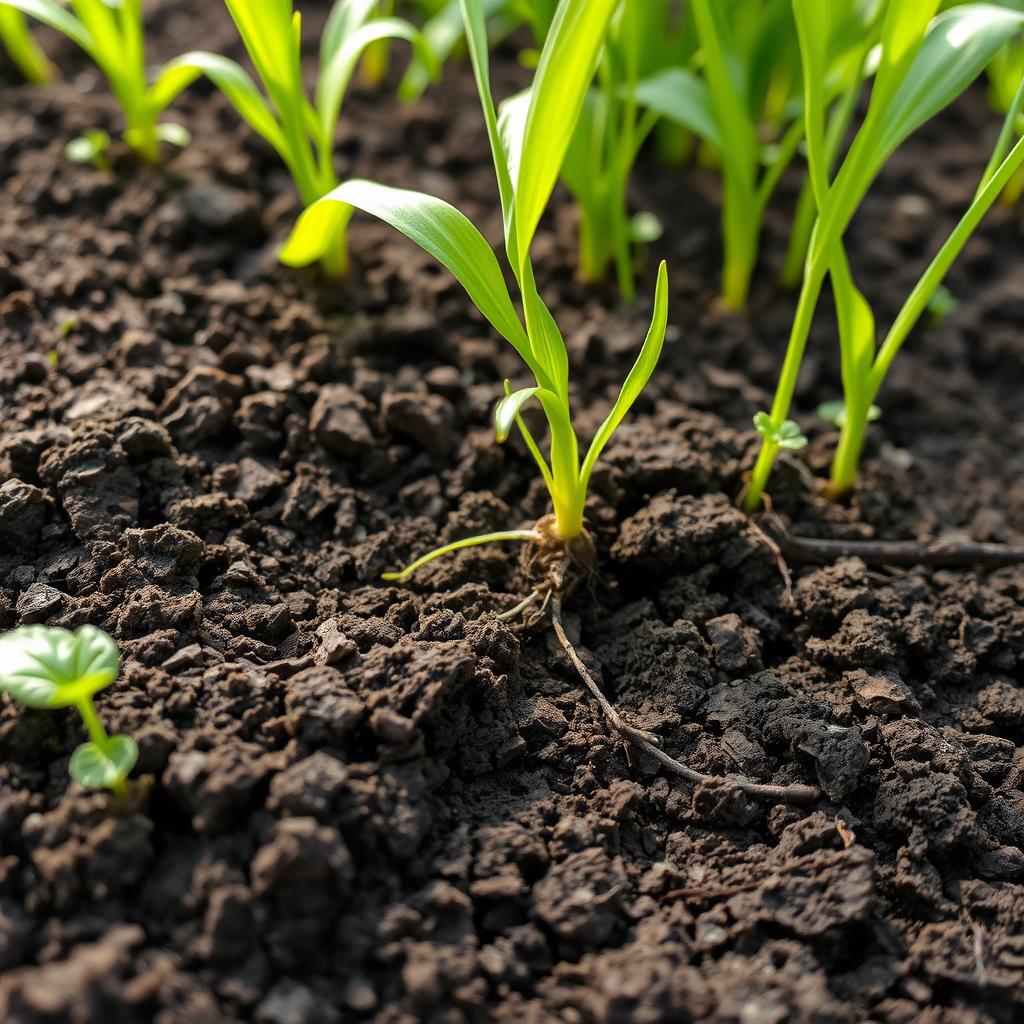
Soil quality is a major landscaping mistake many homeowners make. They start planting without knowing the soil’s condition. Healthy soil is key for plants to grow well and for the landscape to thrive.
Why Soil Health Matters
Soil is not just dirt; it’s a living world that affects plant health. Bad soil can cause plants to grow slowly, lack nutrients, and get sick. Plants need the right mix of nutrients, water, and pH levels to do well.
Testing Your Soil
Knowing your soil’s makeup is vital for a good garden. There are a few ways to test your soil:
- Purchase a home soil testing kit from local garden centers
- Send soil samples to professional agricultural laboratories
- Consult local extension offices for detailed soil analysis
Amending Soil for Better Growth
Once you know what your soil lacks, you can fix it with the right amendments:
| Soil Issue | Amendment Solution | Benefits |
|---|---|---|
| Poor Drainage | Add organic compost | Improves water retention |
| Low Nutrient Content | Incorporate aged manure | Increases nutrient density |
| Incorrect pH | Apply lime or sulfur | Balances soil acidity |
Spending time on soil preparation can make your garden go from okay to amazing. It helps avoid common mistakes that many gardens face.
Ignoring the Local Climate
Many landscaping mistakes start with ignoring the local climate. Understanding your area’s unique environmental challenges is key. The climate affects which plants will do well and which won’t.
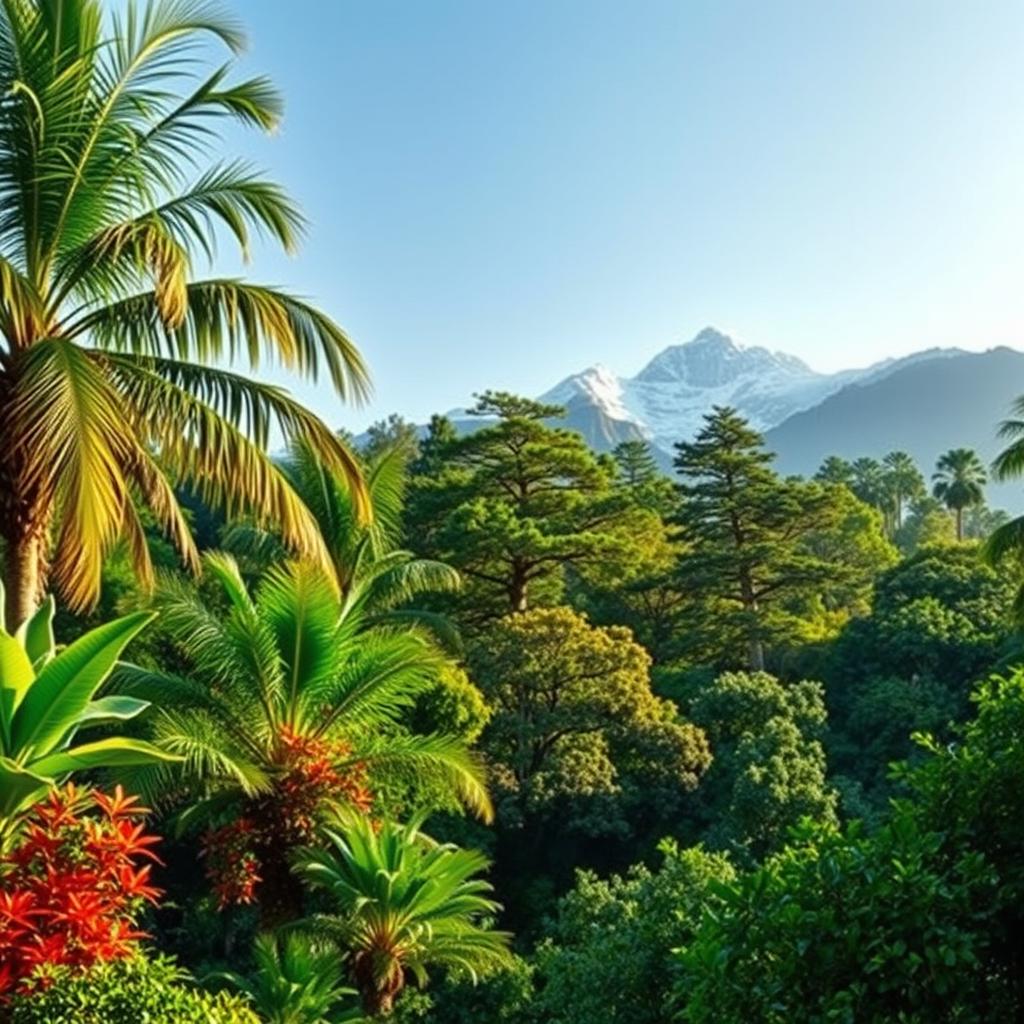
Choosing plants without checking the local climate zone is a common mistake. The USDA has a hardiness zone map to guide homeowners in picking the right plants.
Understanding Climate Zones
Climate zones are based on the lowest winter temperature each year. Each zone is 10 degrees Fahrenheit apart. This helps gardeners pick plants that can survive in their area.
Important factors include:
- Average annual temperature range
- Precipitation levels
- Sunlight exposure
- Seasonal temperature changes
Selecting Climate-Appropriate Plants
Picking the right plants for your climate saves time and money. Native plants are often the best choice because they fit well with local conditions and need less care.
In dry areas, consider plants that don’t need much water. For example:
- Succulents
- Lavender
- Sage
- Agave
In colder places, choose plants that can handle harsh winters. By picking plants that match your climate zone, you’ll have a landscape that’s both beautiful and low-maintenance.
Poor Plant Selection
Choosing the wrong plants can ruin your garden. Many people pick plants just for how they look. They forget about important things that affect how well the plants do in the long run.
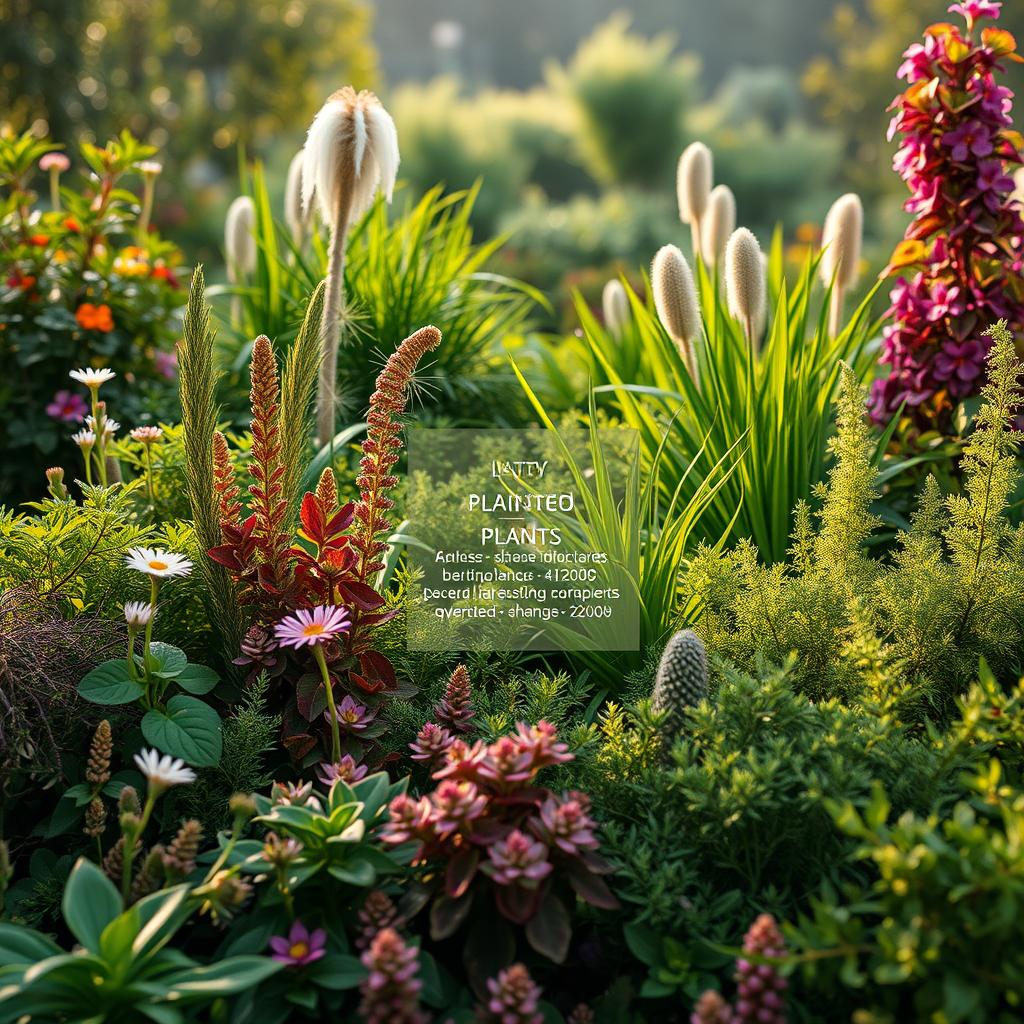
Many landscaping mistakes come from picking the wrong plants. To pick the right ones, you need to think about a few key things.
Choosing the Right Plants
Choosing plants is more than just how they look. You should think about:
- How much sunlight each plant needs
- How much water they need and how often they need it
- If the soil is right for them and how well it drains
- The local weather and how it changes with the seasons
Considering Plant Size and Growth
How big a plant will get is often overlooked. Spacing and growth are key to a good landscape. Plants that start small can grow too big if you don’t plan for it.
When picking plants, look into:
- How big they will get when they are fully grown
- How much space they will need and how their roots will spread
- How fast they will grow
- What kind of care they need, like pruning
By looking at these things, you can make a beautiful and easy-to-care-for garden that will look great for years.
Neglecting Proper Spacing
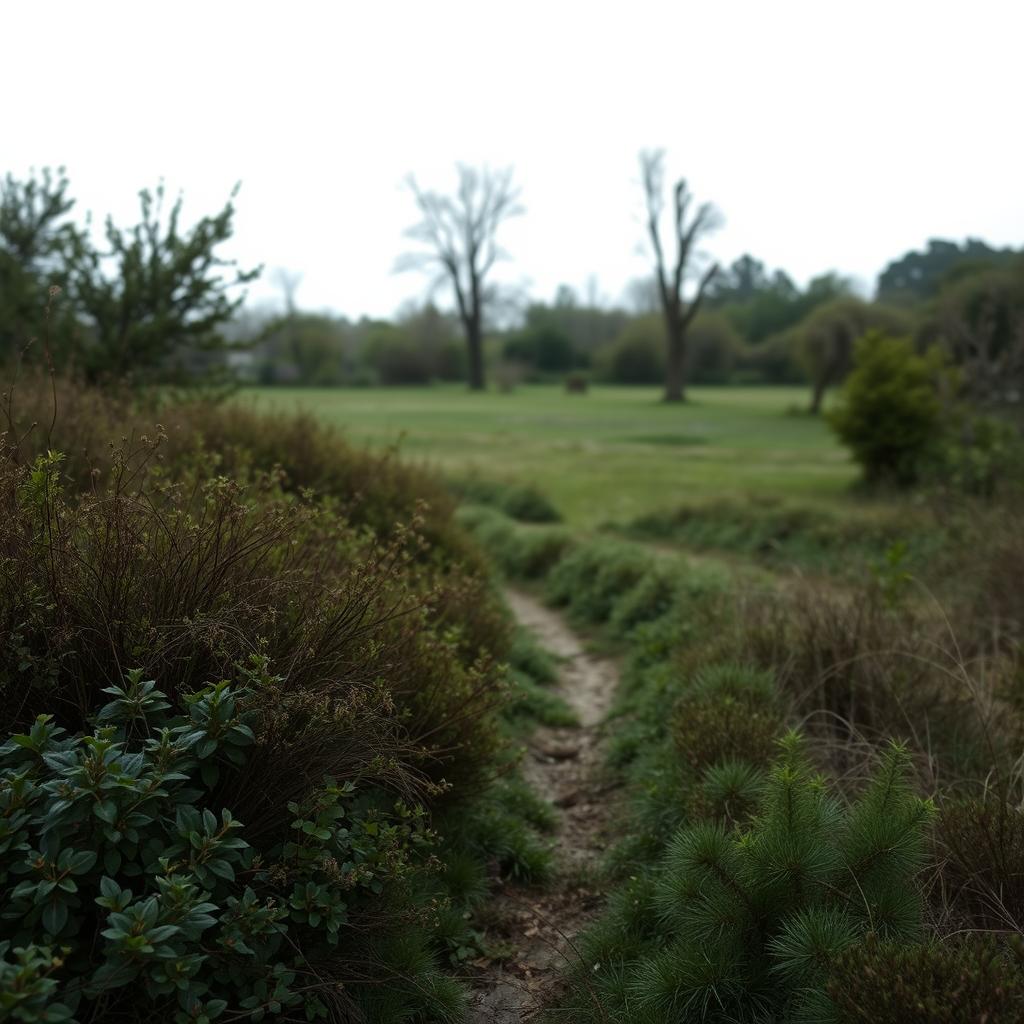
Proper plant spacing is key to a successful garden. Many homeowners forget this important detail. This oversight can harm your garden’s health and look.
Knowing how spacing works helps avoid many mistakes. These mistakes can ruin your outdoor space’s beauty and use.
Why Spacing Matters in Landscaping
Spacing does more than make your garden look good. Correct spacing ensures:
- Optimal nutrient absorption
- Improved air circulation
- Reduced risk of plant diseases
- Healthier overall plant growth
Common Spacing Errors to Dodge
Gardeners often make mistakes with spacing. These mistakes can hurt your garden’s future. Here are some errors to avoid:
- Planting too close to building foundations
- Ignoring mature plant sizes
- Overcrowding plants in limited spaces
- Failing to consider root system spread
“Space is the breath of art” – Frank Lloyd Wright
By planning your garden well, you can make a beautiful outdoor space. This space will thrive and avoid common mistakes.
Forgetting About Maintenance
Many homeowners create stunning outdoor spaces but forget to maintain them. This neglect leads to expensive and time-consuming fixes. Keeping your outdoor area well-maintained is key to its beauty and health.
Ignoring regular upkeep is a common mistake. Without a maintenance plan, your landscape can quickly lose its charm and usefulness.
Creating a Maintenance Strategy
Creating a good maintenance plan involves several important steps:
- Seasonal pruning schedules
- Regular fertilization
- Pest control management
- Irrigation system checks
Low-Maintenance Landscaping Options
Busy homeowners can choose low-care options to simplify upkeep. Here are a few:
| Option | Benefits | Maintenance Level |
|---|---|---|
| Native Plants | Adapted to local conditions | Low |
| Drought-Resistant Species | Minimal watering requirements | Very Low |
| Automated Irrigation | Consistent watering | Moderate |
Pro tip: Choose perennial plants and ground covers that need little care. They offer lasting beauty for easy-to-maintain outdoor spaces.
Lack of Planning and Design
Successful landscaping starts with a good plan. Many homeowners skip important planning steps, leading to costly mistakes. A well-designed landscape turns outdoor areas into beautiful spaces.
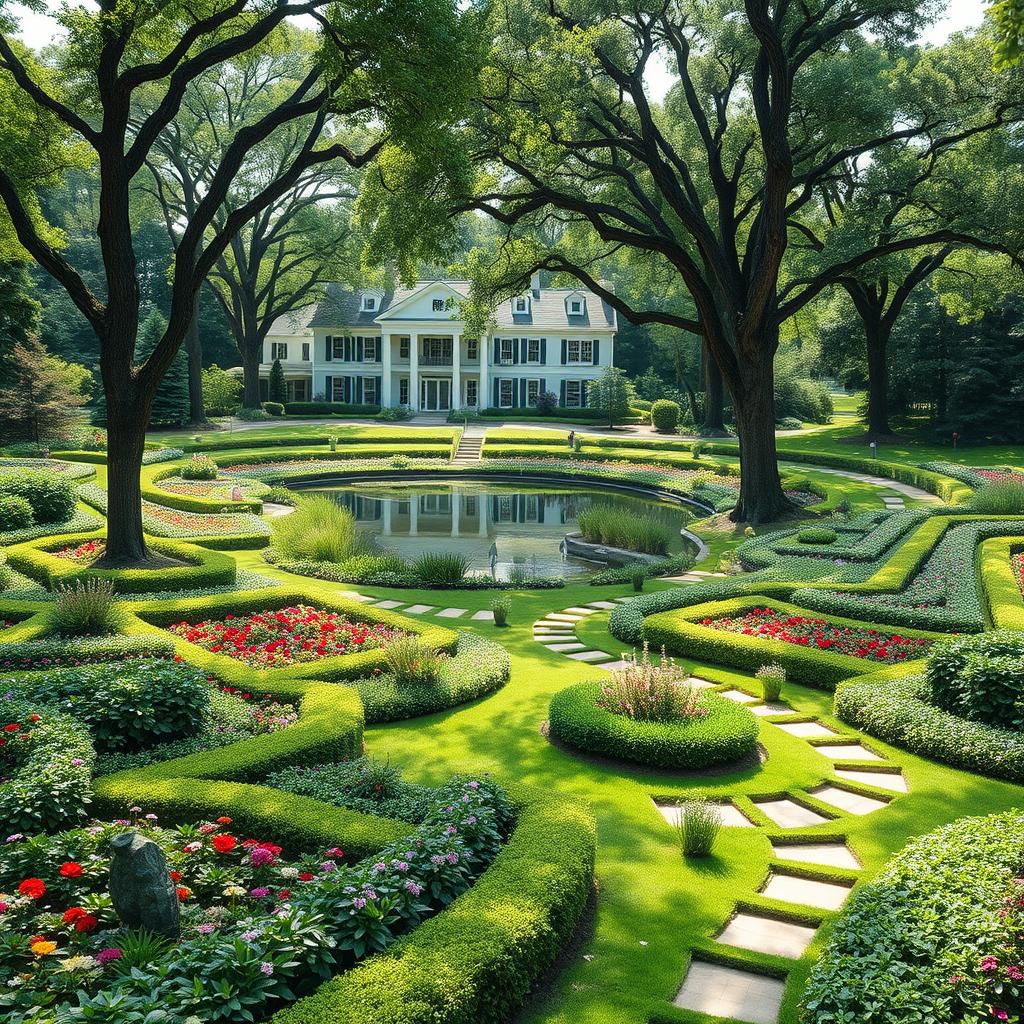
Knowing the value of detailed planning helps avoid common mistakes. Professional designers suggest a structured way to design outdoor spaces.
Creating a Comprehensive Landscaping Plan
A good landscaping plan considers several important things:
- Site analysis and mapping
- Budget allocation
- Aesthetic and functional goals
- Long-term maintenance requirements
Tools for Effective Landscape Design
Today’s technology makes planning easier:
| Design Tool | Purpose | Difficulty Level |
|---|---|---|
| SketchUp | 3D Landscape Visualization | Intermediate |
| Inspiration Gathering | Beginner | |
| iScape | Mobile Landscape Design | Easy |
Getting professional advice can help avoid design mistakes. Spending time on careful planning leads to beautiful and useful landscapes.
Failing to Consider Drainage
Drainage is key but often ignored in landscaping. Bad water management can harm plants, soil, and even your home’s foundation.
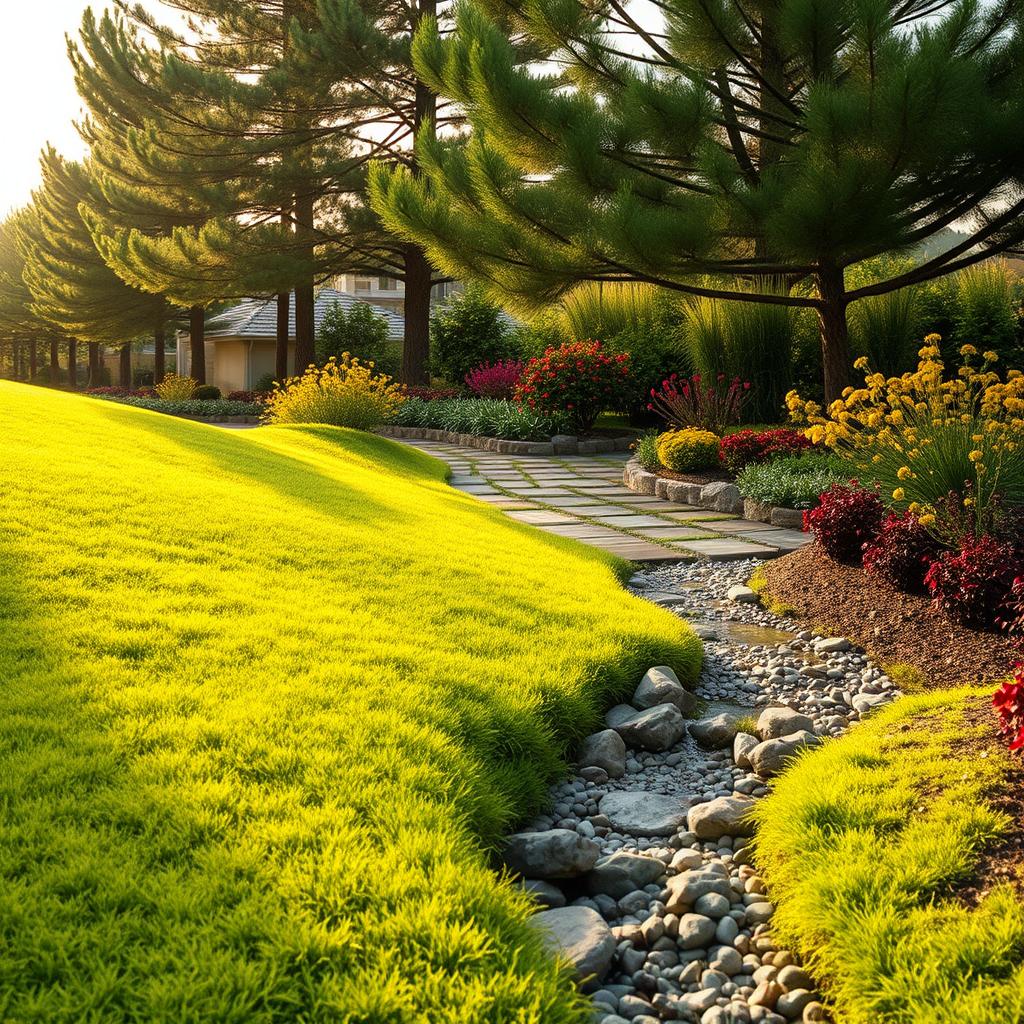
Good drainage stops water damage to your garden. Standing water leads to root rot, mosquito breeding, and soil erosion.
Understanding Drainage Needs
To check your landscape’s drainage, look at a few important things:
- Soil composition
- Property slope
- Local rainfall patterns
- Underground water table
Solutions for Poor Drainage Issues
There are ways to fix poor drainage:
- French Drains: Underground pipes that move water away
- Graded landscaping for natural water flow
- Rain gardens with plants that soak up water
- Raised garden beds to stop water from gathering
Experts say get a drainage check before big landscaping projects. Knowing your property’s water needs helps create a strong, healthy outdoor space.
Planting at the Wrong Time
Timing is key in landscaping. Planting without thinking about the season is a big mistake. Knowing when to plant can make your garden better and avoid common problems.
Good gardening means planting at the right time. This matches the plant’s needs with the weather. Each plant has its own best time to grow.
Understanding Seasonal Planting Windows
Every season has its own planting time. Knowing these times can help you avoid mistakes.
- Spring: Ideal for cool-season vegetables and perennial flowers
- Summer: Best for heat-loving plants and tropical species
- Fall: Perfect for tree and shrub planting
- Winter: Recommended for dormant root plantings
Seasonal Planting Strategies
Experts say to plant the right type of plant at the right time. This helps them grow strong and healthy.
| Season | Recommended Plants | Planting Considerations |
|---|---|---|
| Spring | Lettuce, Peas, Spinach | Soil temperature above 50°F |
| Summer | Tomatoes, Peppers, Eggplant | Full sun exposure |
| Fall | Maple Trees, Evergreen Shrubs | 6-8 weeks before first frost |
| Winter | Bare-root Roses, Fruit Trees | Dormant season planting |
By knowing these seasonal tips, gardeners can turn mistakes into beautiful gardens.
Using Inappropriate Mulch
Mulch is key in landscaping, but many homeowners make mistakes. The wrong mulch can hurt plants and ruin your garden’s look.
Choosing the wrong mulch is a common mistake. It can cause big problems in your garden. It’s important to pick the right mulch for your landscape.
Selecting the Optimal Mulch
When picking mulch, think about these things:
- What plants you have and what they need
- The weather in your area
- How much moisture your soil needs
- What you like in terms of looks
Organic vs. Inorganic Mulch Comparison
Knowing the good and bad of mulch types helps avoid mistakes:
| Organic Mulch | Inorganic Mulch |
|---|---|
| Improves soil nutrition | Long-lasting appearance |
| Decomposes naturally | Minimal maintenance |
| Supports microbial activity | Consistent color |
Pro tip: Always apply mulch with proper depth and avoid piling it against plant stems to prevent moisture-related diseases.
Skipping Hardscaping
Many homeowners make a big mistake by ignoring hardscaping. While plants grab our eye, hardscape adds structure, function, and beauty to our yards.
Hardscaping is the non-living part of landscape design. It gives our gardens shape and makes them useful. It turns simple green spaces into places we can enjoy outside.
Essential Hardscaping Elements
- Patios for entertaining and relaxation
- Walkways connecting different garden areas
- Retaining walls for erosion control
- Decorative stone features
- Outdoor kitchen spaces
Integrating Hardscape with Softscape
Good landscape design mixes hardscape and softscape well. Combining hard structures with plants makes outdoor spaces lively and useful.
When planning hardscaping, pick materials that match your home and yard. Natural stone, pavers, and concrete are great for creating designs that look good together.
“A well-designed landscape marries hardscape and softscape elements into a harmonious, functional space.”
Spending time on hardscape planning helps avoid common mistakes. It makes your outdoor area beautiful and useful, boosting your property’s look and value.
Not Using Native Plants
When you’re setting up your landscape, don’t forget about native plants. They are a key part of a healthy garden. Native plants need less water and care because they fit well with the local environment.
Using native plants makes your garden better for the planet. They help local animals and bring in bees and butterflies. This makes your garden strong and full of life. Choosing the wrong plants can harm your garden and waste resources.
Advantages of Native Landscaping
Native plants are more than just pretty. They fight off pests and don’t need much food. In dry places like California, they use very little water. This makes them perfect for saving water.
Common Native Plants in Your Area
Find out which native plants are best for your area. In the Pacific Northwest, Oregon grape and red flowering currant are great. For the Southwest, agave and desert marigold work well. Choosing the right plants makes your garden beautiful and easy to care for.