
Gardeners across the United States face big challenges when water is scarce. It’s key to control drought damage to keep gardens looking good. With the right strategies, you can help your plants survive dry times.
To fight drought stress, you need to know what to do and plan ahead. Your garden’s health depends on smart water-saving methods. Experts say being prepared is the best way to protect your garden during water limits.
Effective drought control needs a few key steps. This includes picking plants that don’t need much water and using smart watering methods. By doing these things, gardeners can keep their gardens looking great even when it’s dry.
Key Takeaways
- Recognize early signs of drought stress in plants
- Implement water conservation techniques
- Choose plants adapted to dry conditions
- Develop strategic soil management practices
- Utilize efficient irrigation methods
- Monitor weather patterns consistently
- Learn sustainable gardening approaches
Understanding Drought Damage in Gardens
Garden lovers face big challenges when drought hits. It’s key to know how to fight drought damage. This helps keep your garden safe from long-term harm.
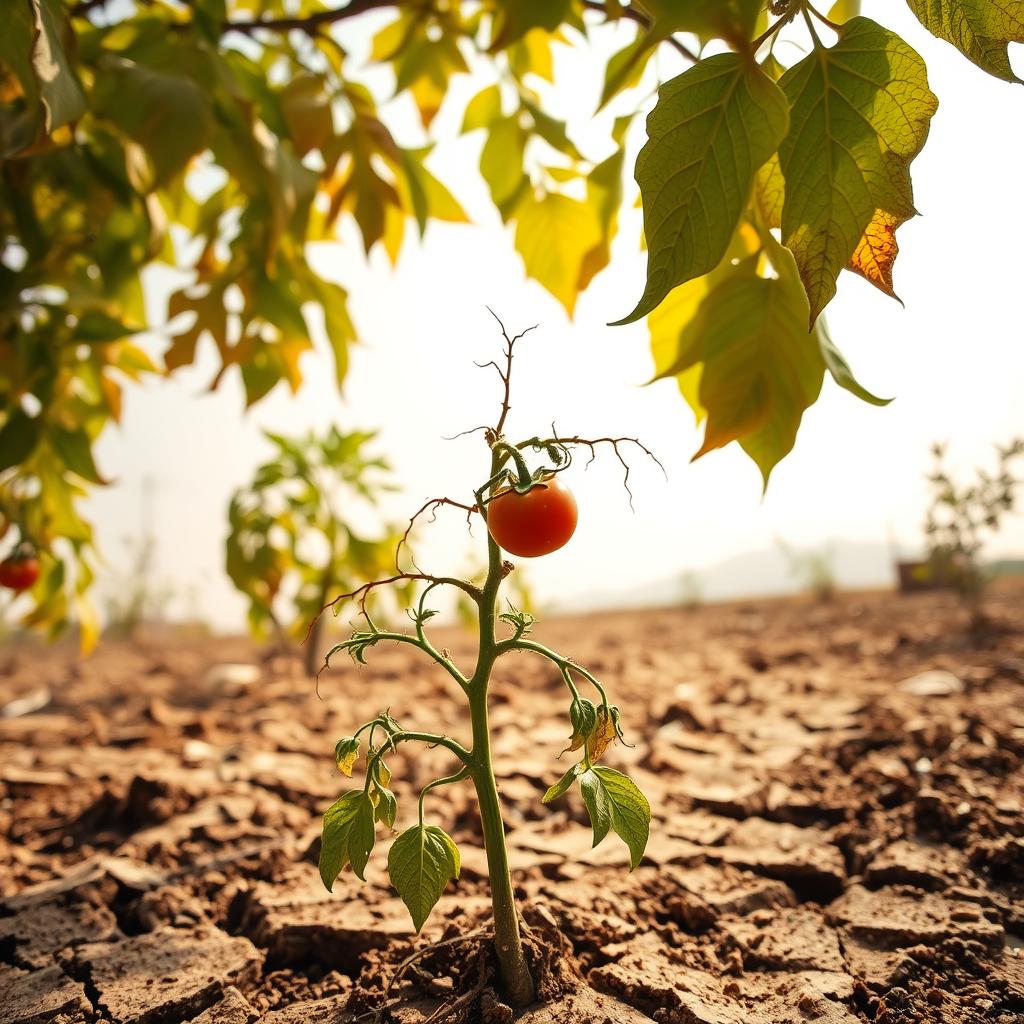
Drought can turn a lush garden into a struggling one in just weeks. It’s not just about how it looks. It also affects plant health and the whole ecosystem.
Identifying Drought Damage
Spotting early signs of drought is vital. It lets gardeners take steps to lessen drought damage. Look out for:
- Wilting leaves that stay droopy even after watering
- Crispy, brown leaf edges
- Stunted plant growth
- Premature leaf drop
- Discoloration of foliage
Plant Vulnerability Levels
| Plant Type | Drought Resistance | Recovery Ability |
|---|---|---|
| Succulents | High | Excellent |
| Native Grasses | Moderate | Good |
| Tropical Plants | Low | Poor |
Long-Term Drought Consequences
Long droughts can cause irreversible damage to plant roots. Plants stressed by drought are more likely to get sick, attract pests, and decline permanently.
Gardeners need to act early to protect their gardens. Knowing how to handle drought helps create strong gardens that can face tough weather.
Strategies for Effective Drought Damage Control
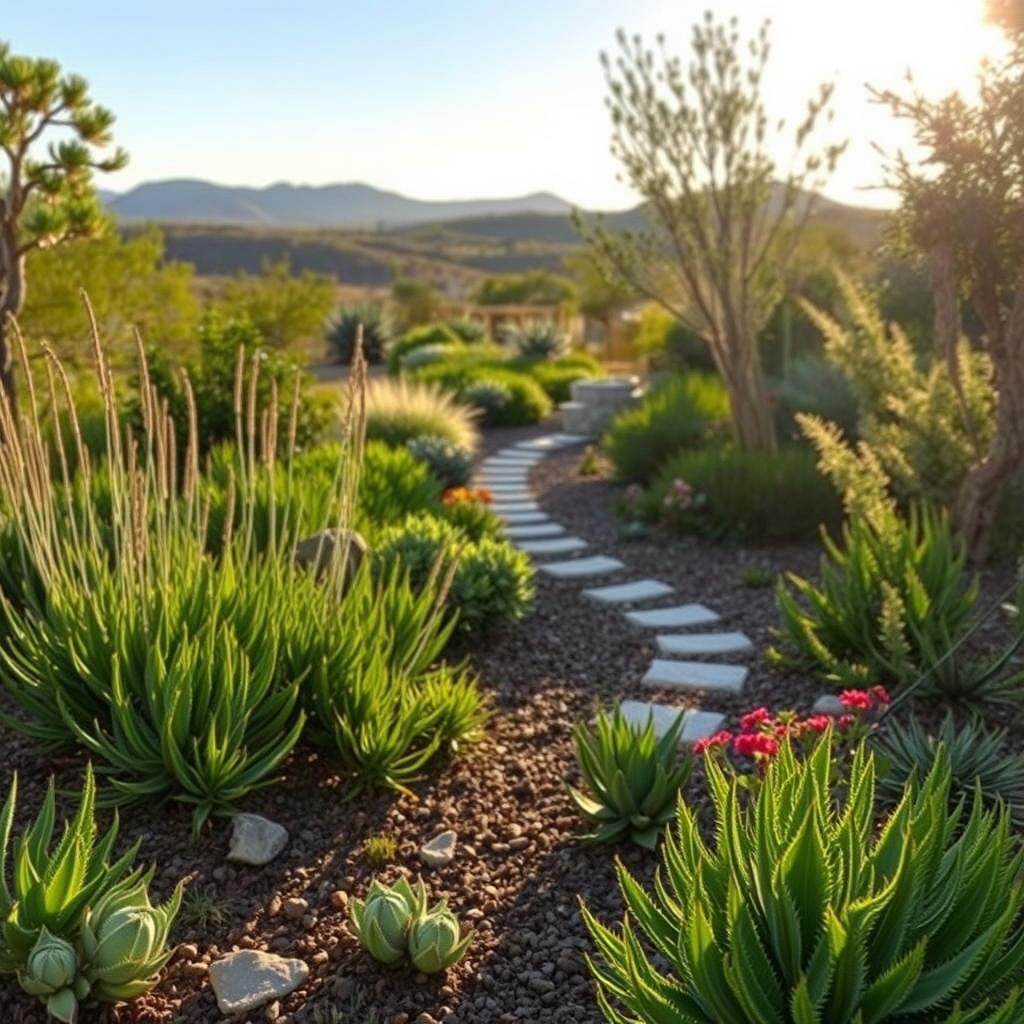
Keeping your garden safe during dry times needs careful planning and smart strategies. Drought-resistant landscaping is more than just surviving—it’s about making a garden that thrives, even when it’s hard. Gardeners can use many techniques to keep their gardens looking great and healthy.
Soil Management Techniques
Good drought management begins with knowing and improving your soil. Healthy soil holds water for plants when it’s dry.
- Add organic matter to improve water retention
- Use compost to enhance soil structure
- Implement deep soil amendment strategies
Plant Selection for Drought Resistance
Picking the right plants is key for drought-resistant gardens. Plants that are native or adapted to the area need less water and can handle dry spells well.
| Plant Type | Water Needs | Best Regions |
|---|---|---|
| Succulents | Extremely Low | Southwest, California |
| Lavender | Low | Mediterranean Climates |
| Sage | Low | Arid Regions |
By using these drought resilience techniques, gardeners can make gardens that not only survive but also thrive in dry times. Smart planning turns challenges into chances for stunning, sustainable gardens.
Watering Methods to Combat Drought
Coping with drought in your garden needs smart water use. Choosing the right way to water can save plants and water. Gardeners face big challenges when there’s little water.
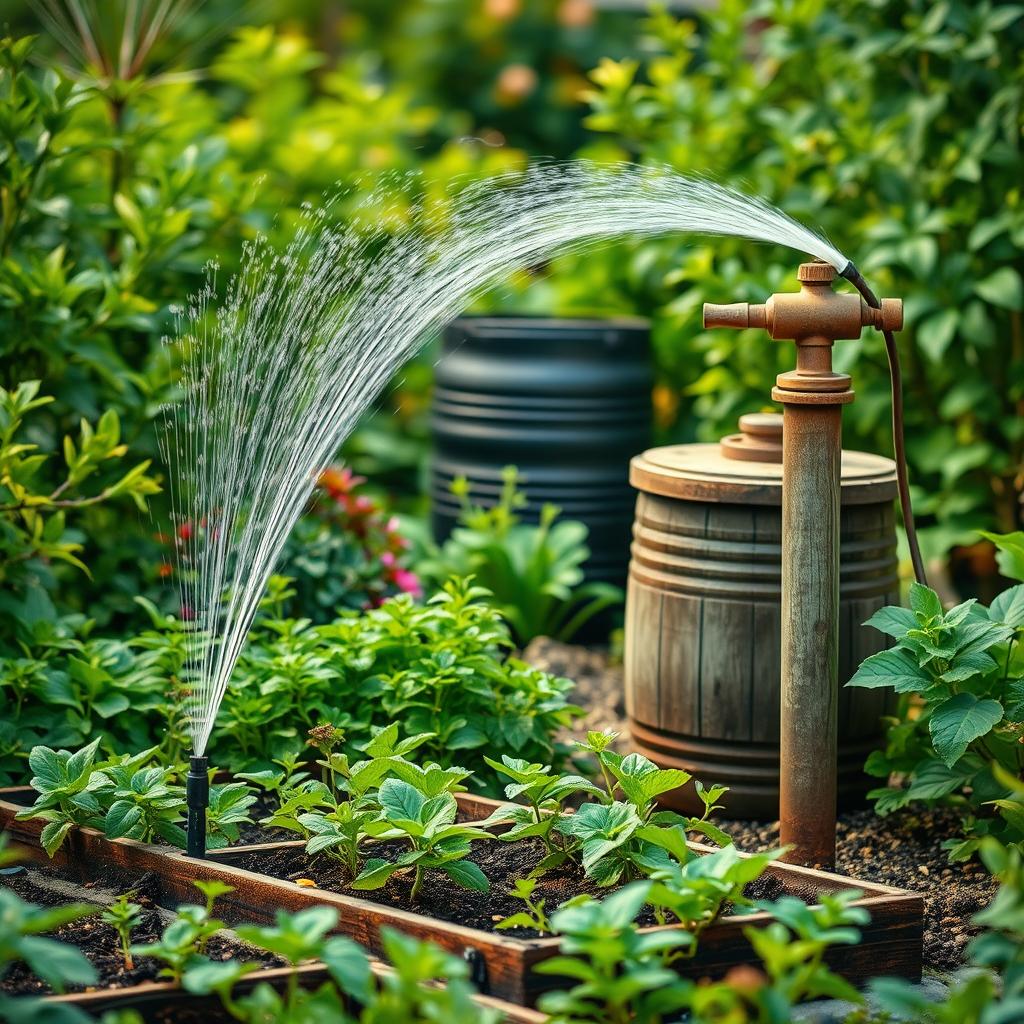
Using water wisely is key to preventing drought. Knowing about different ways to water helps gardeners keep plants safe and save water.
Drip Irrigation vs. Sprinklers
Drip irrigation is great for gardens that can’t handle drought. It sends water straight to the roots, cutting down on evaporation and saving water.
- Targets plant roots precisely
- Reduces water waste by up to 50%
- Minimizes water contact with plant leaves
- Prevents fungal growth
| Irrigation Method | Water Efficiency | Plant Health Impact |
|---|---|---|
| Drip Irrigation | 90-95% | Excellent |
| Traditional Sprinklers | 60-70% | Average |
Best Times to Water Your Plants
When to water is very important during drought. Early morning is the best time, letting plants soak up water before it gets too hot.
- Water between 4-10 AM
- Avoid midday watering
- Never water in evening hours
By using these watering tips, gardeners can manage water well and keep plants healthy during tough drought times.
Mulching to Preserve Soil Moisture
Drought response solutions are key for gardeners to protect their landscapes. Mulching is a simple yet effective way to keep soil moist and support plant health.
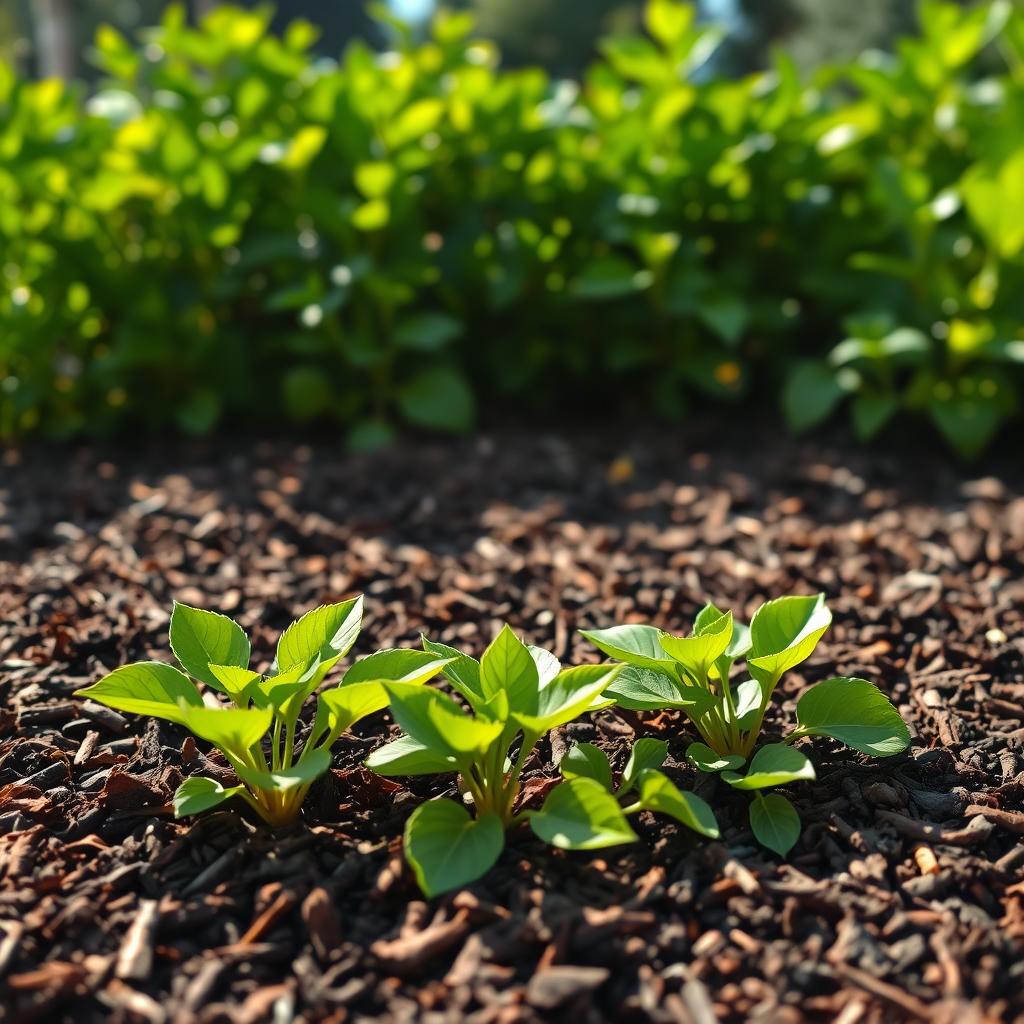
Mulching is a strategic approach to protect your garden from drought. It creates a layer over the soil, keeping moisture in and regulating temperature.
Types of Mulch for Optimal Moisture Retention
- Organic Mulches
- Wood chips
- Straw
- Bark fragments
- Compost
- Inorganic Mulches
- Gravel
- Stones
- Landscape fabric
Benefits of Mulching in Drought Conditions
| Benefit | Impact on Garden |
|---|---|
| Moisture Retention | Reduces water evaporation by up to 70% |
| Temperature Regulation | Keeps soil cooler during extreme heat |
| Weed Suppression | Minimizes water competition from unwanted plants |
| Soil Health | Improves nutrient content as organic mulches decompose |
Mulching is a powerful drought response solution for gardeners. Knowing about different mulches and their benefits helps create a garden that thrives, even in dry times.
Implementing Rainwater Harvesting
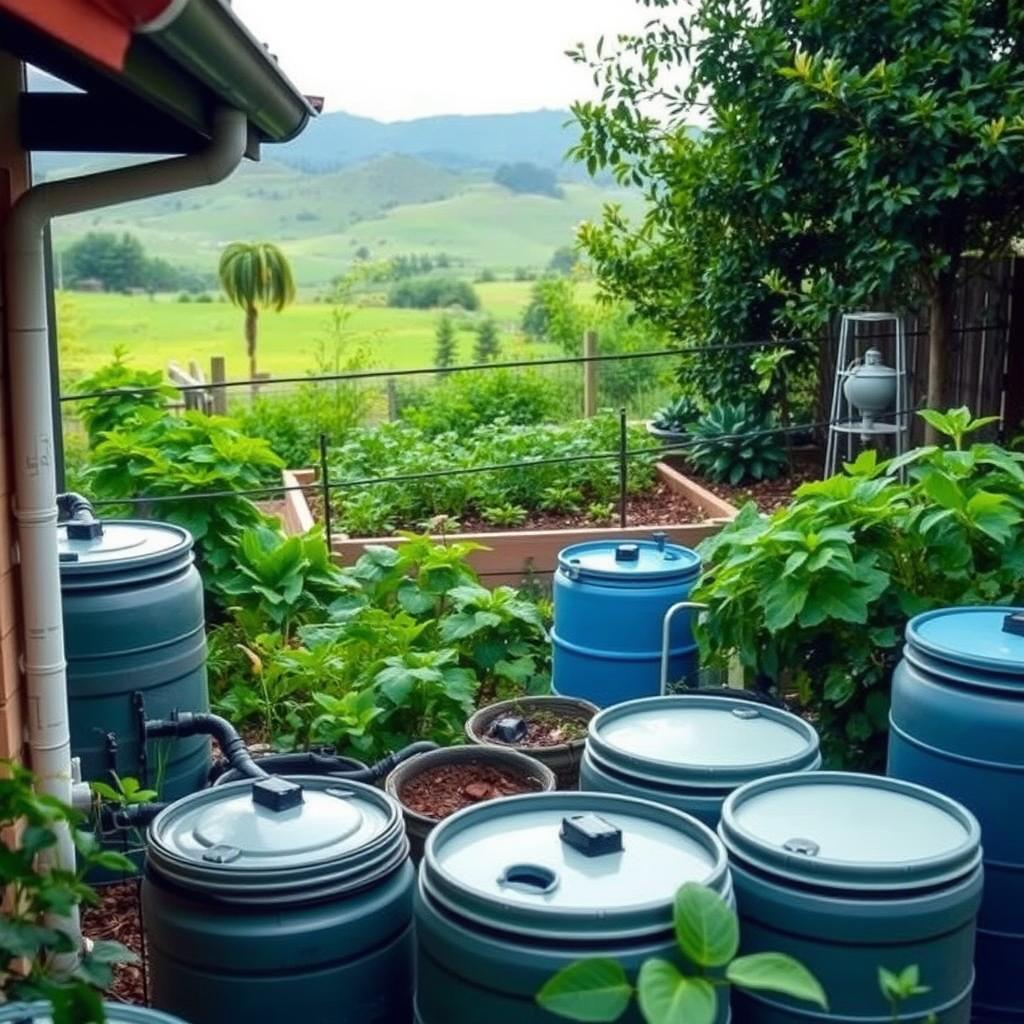
Rainwater harvesting is a key strategy for gardeners to manage drought. It’s a way to collect and use rainwater, cutting down on the need for city water. This method helps gardens stay healthy and strong.
To collect rainwater well, you need a good plan and some basic setup. There are many ways to catch and use rainwater, making your garden more drought-resistant.
Essential Components of a Rainwater Collection System
- Roof-based collection surfaces
- Gutter and downspout networks
- Storage tanks or barrels
- First-flush diverter systems
- Filtration mechanisms
Maximizing Collected Rainwater Usage
Using rainwater wisely is important. Drip irrigation is great because it gives plants exactly what they need. It saves water too.
Here are some tips for using rainwater:
- Water plants that need it most
- Water in the early morning
- Don’t spray water overhead
- Check the soil moisture
“Rainwater harvesting transforms environmental challenges into gardening opportunities” – Sustainable Gardening Association
By using these strategies, gardeners can make their gardens strong. They can grow well even when water is scarce.
Creating a Drought-Resistant Garden Design
Designing a garden that can handle dry spells is an art. Gardeners face big challenges with water scarcity. They need to create beautiful spaces that use little water.
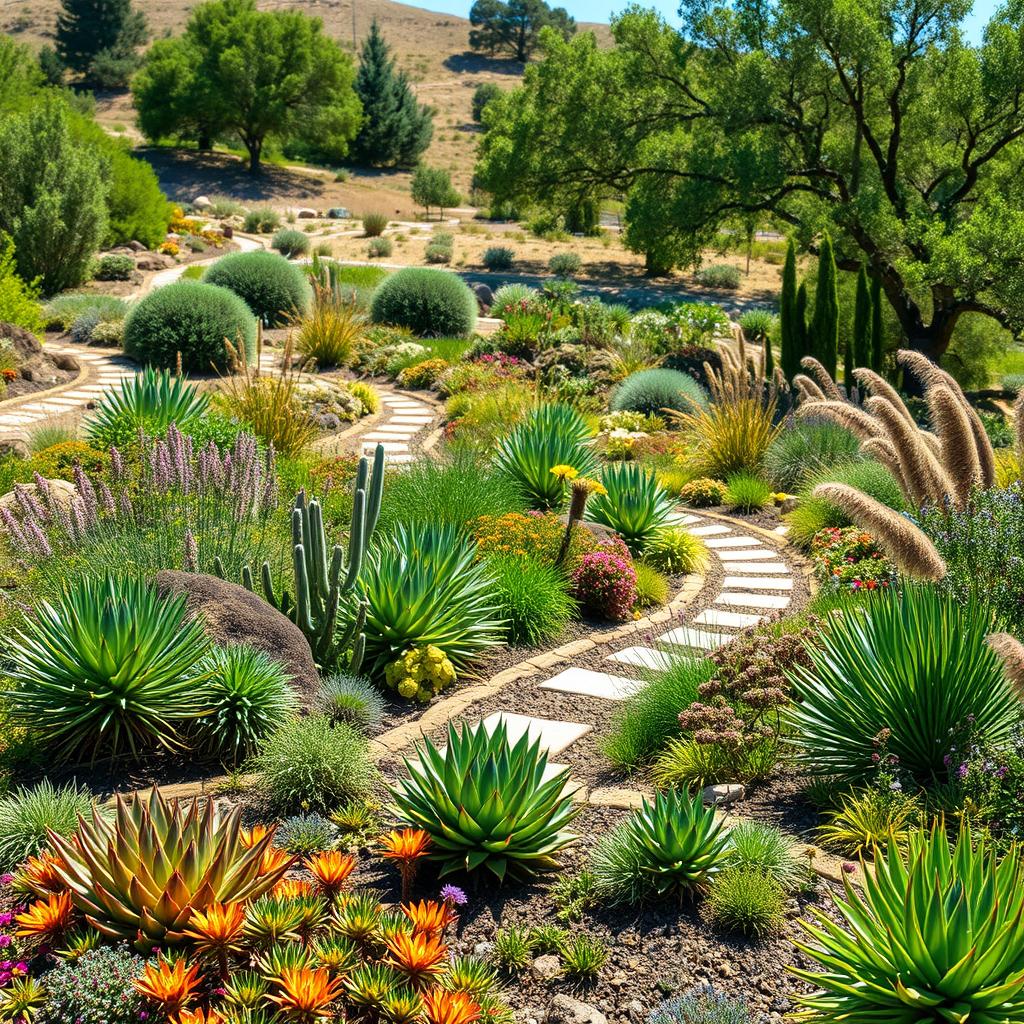
Drought resilience starts with smart planning. The aim is to make a stunning ecosystem that saves water.
Xeriscaping Fundamentals
Xeriscaping is a new way to landscape that saves water. It has key principles:
- Select native plants adapted to local climate conditions
- Group plants with similar water requirements
- Minimize turf areas that demand significant irrigation
- Use efficient irrigation systems
- Incorporate strategic hardscaping elements
Designing for Water Efficiency
Building a drought-resistant landscape needs careful plant choice and design. Use succulents, native grasses, and Mediterranean plants that love dry weather. These plants not only survive but also add beauty with their unique looks and colors.
It’s important to zone your garden wisely. Divide it into hydrozones, grouping plants by water needs. This way, you can water more efficiently and save water.
Monitoring Weather Patterns
Gardeners facing drought challenges need smart strategies for tracking environmental conditions. Coping with drought conditions requires proactive monitoring and intelligent response solutions. These help protect your garden’s health.
Staying informed about local weather patterns is key for successful garden management. Modern technology gives gardeners powerful tools. These tools help anticipate and respond to dry spells.
Essential Tools and Apps for Garden Weather Tracking
- Dark Sky: Hyperlocal precipitation and temperature forecasts
- WeatherBug: Detailed microclimate information
- National Weather Service App: Free government-provided weather data
- RadarScope: Professional-grade radar tracking
Adapting Garden Care Based on Weather Forecasts
Effective drought response solutions involve strategic planning and real-time adjustments. By using weather tracking technologies, gardeners can:
- Predict upcoming dry periods
- Schedule targeted watering
- Protect sensitive plants during extreme conditions
- Conserve water resources efficiently
Modern gardeners have access to accurate weather information. Using digital tools in garden management can greatly improve plant survival during droughts.
Fertilizing for Drought Resilience
Drought prevention starts with strong, resilient plants. Proper fertilization is key to plant health. It helps gardeners reduce drought impact.
Choosing the right fertilizers is vital for a drought-resistant garden. Drought-prone areas need special nutrients. These support root growth and plant strength.
Best Fertilizers for Drought-Prone Areas
- Slow-release organic fertilizers
- Phosphorus-rich fertilizers
- Potassium-enhanced nutrient blends
- Compost-based fertilizers
Plants need balanced nutrients for deep roots. Organic fertilizers give steady nutrients without harming plants.
Timing Your Fertilization Approaches
| Season | Fertilization Strategy | Drought Prevention Impact |
|---|---|---|
| Early Spring | Light, balanced fertilization | Supports initial root growth |
| Late Spring | Moderate nutrient application | Strengthens plant resilience |
| Early Summer | Minimal, targeted fertilization | Prepares plants for heat stress |
Strategic fertilization is key to a sustainable garden. Know your plants and local climate for effective drought management.
Community and Cooperative Gardening Efforts
Gardeners can do more when they work together. Sharing knowledge and resources helps everyone. This way, we can all succeed in managing our gardens during dry times.
When gardeners team up, they find better ways to deal with water shortages. Together, they can come up with new ideas and support each other. This makes gardens more resilient.
Connecting Through Local Gardening Groups
Being part of a gardening community is key. Local groups offer great chances to:
- Swap tips on managing drought
- Discover water-saving methods for your area
- Trade plants that do well in dry weather
- Discuss the best ways to water
Resource Sharing Strategies
Sharing resources boosts drought resistance. Here are some ways to do it:
- Start a tool library in your neighborhood
- Organize seed and plant swaps
- Host workshops on saving water
- Set up systems to collect rainwater together
By working together, gardeners can overcome challenges. This leads to healthier gardens and more sustainable landscapes for everyone.
Educating Yourself on Drought Management
Learning about drought management is key to a resilient garden. Gardeners across the U.S. know that knowledge fights water scarcity. By learning how to handle drought, you can make your garden strong and green.
There are many great resources for learning drought management. The University of California Cooperative Extension has online guides on water-efficient gardening. The National Gardening Association offers free webinars and articles on adapting to drought for various plants and areas.
Recommended Resources
Local gardening centers and state universities host workshops on drought management. Experts like Laura Schwartz from UC Davis suggest hands-on training for water-saving tips. Online platforms like Coursera and edX have courses on sustainable gardening during droughts.
Workshops and Classes
Regional botanical gardens offer training programs for advanced drought management. These programs connect you with experts who share new ways to keep gardens beautiful with less water.