Changing your outdoor space can be thrilling but also tough. You might want a beautiful garden or a neat lawn. Choosing between DIY landscaping and hiring a pro can be hard. Knowing how to pick a landscaper without losing money starts with knowing your options and what you want.
Landscaping is more than just planting flowers or cutting the grass. It’s about making your outdoor area show your style and use your property’s best. With the right tips, you can choose wisely, saving time, money, and stress.
This guide will show you the good and bad of DIY and professional landscaping. We’ll help you figure out what your yard needs, understand costs, and choose the best option for you.
Key Takeaways
- Understand the difference between DIY and professional landscaping
- Learn cost-effective strategies for yard transformation
- Identify when to tackle projects yourself or hire a professional
- Discover essential landscaping tips and techniques
- Protect your investment with informed decision-making
Understanding DIY Landscaping
Diving into DIY landscaping is exciting for homeowners wanting to change their outdoor spaces. It’s a chance to make a yard that shows your style and vision. This way, you avoid falling into landscaping scams.

Landscaping your yard has many benefits. Creative homeowners can save money, learn new skills, and feel proud of their work. If finding a reliable landscaper is hard, DIY is a good option.
Benefits of Going the DIY Route
- Significant cost savings compared to professional services
- Complete creative control over your landscape design
- Personal satisfaction from hands-on work
- Opportunity to learn new gardening and design skills
Common DIY Landscaping Projects
- Creating flower beds and garden borders
- Installing small water features
- Building garden paths
- Planting trees and shrubs
- Constructing raised garden beds
Tools and Materials Needed for DIY
For DIY landscaping, you need basic tools and preparation. Start with gardening tools like shovels, rakes, pruning shears, and wheelbarrows. Choose quality materials to avoid scams and ensure your project’s success.
While DIY landscaping is rewarding, some projects need a pro’s touch. Think about your skills, time, and project size before starting.
Pros of Hiring a Professional Landscaper
Turning your outdoor space into something special needs skill and planning. Professional landscapers have the know-how to make your yard stand out. Knowing the perks of hiring a pro can help you decide on your landscaping budget.
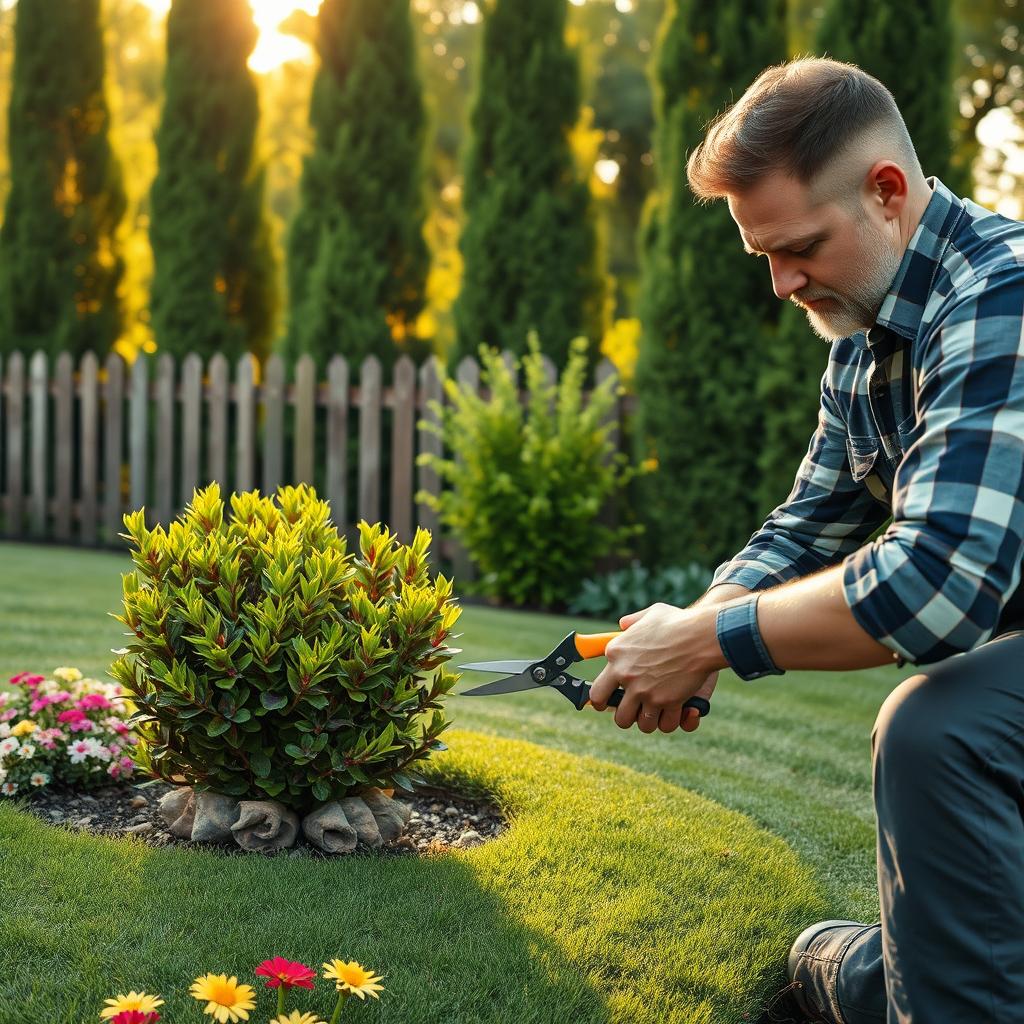
Expertise That Makes a Difference
Landscapers have more than just basic gardening skills. They are trained to:
- Analyze soil conditions precisely
- Select the right plants for your area
- Create designs that look great
- Use eco-friendly landscaping methods
Access to Premium Materials
When talking to landscapers, ask about the materials they use. Pros have connections for:
| Material Type | Professional Advantage |
|---|---|
| Plants | Higher quality, rare varieties |
| Hardscaping Materials | Bulk discounts, premium selections |
| Soil and Amendments | Scientifically tested, nutrient-rich options |
Time Savings and Convenience
Professional landscapers save you a lot of time. You won’t have to spend weekends in your yard. They handle big projects well, making sure everything looks great.
“A professional landscaper turns your vision into reality while you relax and enjoy the transformation.”
Cost Comparison Between DIY and Hiring a Pro
Landscaping projects can get pricey fast. Knowing the costs of DIY versus hiring pros helps homeowners choose wisely for their yards.
Initial Investment Breakdown
Homeowners need to look at several things when comparing costs. Reputable landscaping companies give clear prices. DIY projects, on the other hand, need careful budgeting.
- DIY Initial Costs:
- Tools and equipment: $200 – $1,000
- Materials and plants: $500 – $2,500
- Potential rental equipment: $100 – $500
- Professional Service Costs:
- Design consultation: $300 – $800
- Labor and installation: $2,000 – $5,000
- Materials and plants: Included in package
Long-Term Cost Considerations
Choosing a trustworthy landscaper means looking for clear prices and realistic maintenance plans. DIY might save money at first but could cost more later.
| Cost Factor | DIY Approach | Professional Service |
|---|---|---|
| Initial Investment | Lower | Higher |
| Maintenance Costs | Potentially Higher | Typically Lower |
| Long-Term Quality | Variable | Consistently High |
Hidden Costs in Landscaping Projects
Unexpected costs can mess up any landscaping budget. Careful planning and professional advice can help avoid financial surprises with both DIY and hiring pros.
- Potential hidden DIY costs:
- Soil amendments
- Unexpected equipment repairs
- Replacement of failed plantings
- Potential professional service hidden costs:
- Design modifications
- Additional site preparation
- Specialized material requirements
Choosing between DIY and hiring pros depends on your budget, skills, and project size. Weighing these factors carefully ensures the best result for your yard.
Assessing Your Yard’s Needs
Understanding your yard’s unique characteristics is key when planning landscaping projects. Before hiring a landscaper, do a thorough assessment. This ensures you get accurate quotes and avoid common pitfalls.

Evaluating your outdoor space is important. It impacts your landscaping design and the contractor you choose.
Evaluating Your Space and Design Goals
When assessing your yard, consider these critical elements:
- Measure your total available space accurately
- Identify existing landscape features
- Determine your primary design objectives
- Create a rough sketch of desired improvements
“Know your space before you start – it’s the first step in how to hire a landscaper without getting ripped off.” – Professional Landscape Designer
Identifying Soil, Sunlight, and Climate Conditions
Understanding your yard’s environmental characteristics is vital for successful landscaping. Different plants and design elements need specific conditions to thrive.
| Factor | Assessment Method | Importance |
|---|---|---|
| Soil Type | Conduct soil test | Determines plant selection |
| Sunlight Exposure | Track sun patterns | Guides plant placement |
| Climate Zone | Check USDA hardiness map | Ensures plant survival |
By understanding these elements, you’ll be ready to communicate well with landscapers. You’ll make informed decisions about your outdoor space.
Time Commitment for DIY Landscaping

Starting a DIY landscaping project needs careful planning and a lot of time. Knowing how many hours it takes helps you decide if you should do it yourself or hire someone. This way, you can avoid scams and make a smart choice.
Breaking Down the Planning Phase
The planning stage is key but often overlooked. When you hire a landscaper, they usually spend 10-15 hours on the first steps. DIY fans, on the other hand, might spend much more time:
- Research and finding ideas: 3-5 hours
- Measuring and mapping your yard: 2-3 hours
- Creating detailed design sketches: 4-6 hours
- Picking the right plants and materials: 3-4 hours
Execution Time Expectations
Actually doing your landscaping project takes a lot of time and effort. How long it takes depends on how complex your project is:
- Small garden beds: 8-12 hours
- Complete backyard makeover: 40-80 hours
- Adding hardscaping: 60-120 hours
Homeowners should plan to work on this over several weekends or weeks. Good time management helps avoid burnout and makes your DIY project a success.
Pro tip: Always add 20-30% more time to your initial estimates to account for unexpected challenges.
Skills Required for DIY Landscaping
Starting a DIY landscaping project needs more than just excitement. It requires specific skills and knowledge for a successful yard makeover. Knowing what skills are needed helps you decide if you can handle the project on your own.

Essential Gardening Knowledge
Good landscaping begins with basic gardening skills. Homeowners need to know how to care for plants:
- Soil composition and preparation
- Plant selection for local climate
- Watering techniques and schedules
- Pest and disease management
- Seasonal care requirements
Landscaping Design Fundamentals
Design skills are key for a beautiful outdoor space. You need to understand:
- Color theory and plant combinations
- Spatial balance and proportion
- Hardscape and softscape integration
- Visual flow and landscape composition
| Skill Category | Required Competencies | Difficulty Level |
|---|---|---|
| Gardening | Plant identification, soil management | Intermediate |
| Design | Aesthetic planning, layout | Advanced |
| Technical | Tool usage, basic construction | Beginner to Intermediate |
When asking landscapers questions, check their skills against these standards. This helps you decide if DIY is right for you or if you need a pro.
When to Consider Hiring a Professional
Landscaping projects can get very complex and hard. While it’s great to try DIY, some jobs need the help of experts. Knowing when to ask for help can save you time, money, and keep you safe.
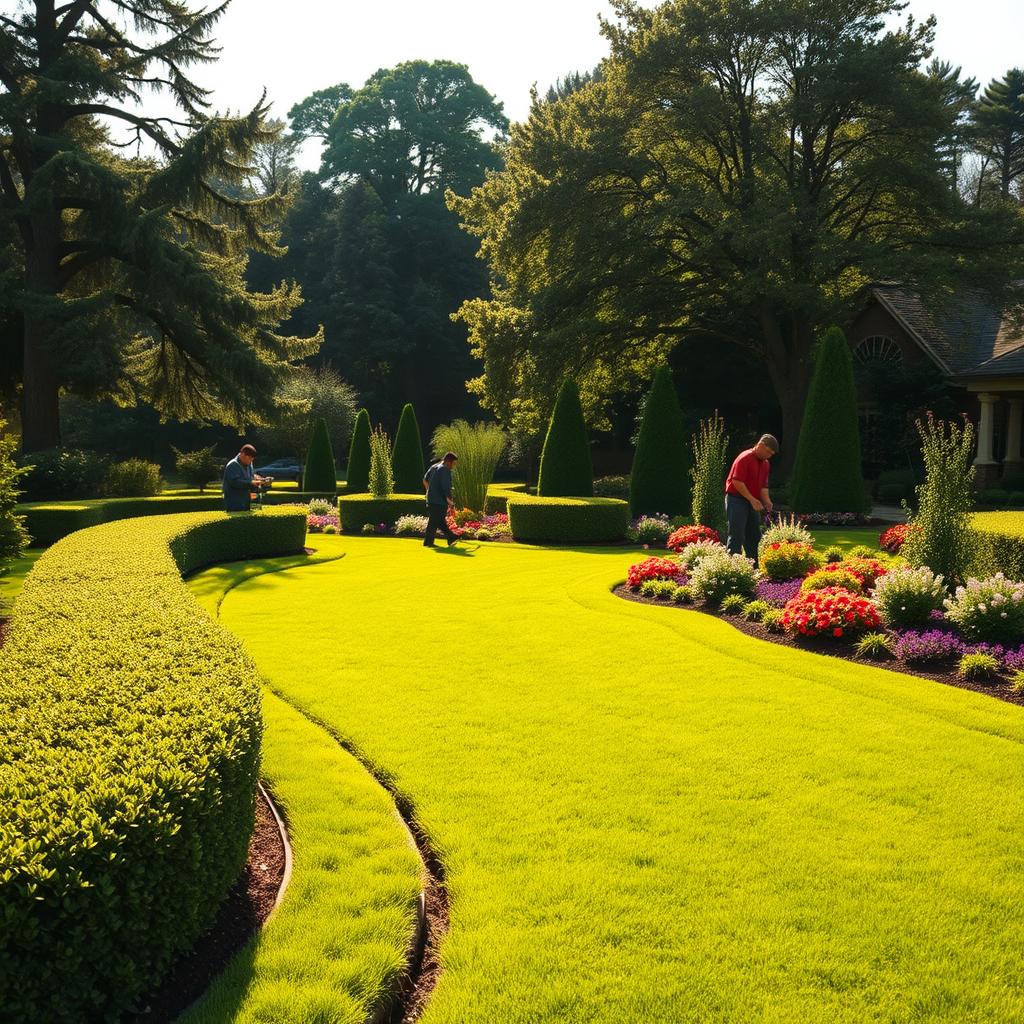
Not every landscaping job is the same. Some need special skills, advanced tools, and knowledge that’s more than just home improvement.
Complex Projects Requiring Expert Intervention
Some landscaping jobs are best for pros. It’s important to find a reliable landscaper for tasks like:
- Large-scale hardscaping installations
- Advanced irrigation system design
- Significant grading and drainage solutions
- Structural landscape modifications
Safety Concerns in Landscaping
Professionals know how to handle risky jobs safely. They know how to deal with:
- Heavy machinery operation
- Chemical handling and application
- Electrical and water system installations
- Complex terrain management
| Project Type | DIY Risk Level | Professional Recommendation |
|---|---|---|
| Simple Garden Bed | Low | DIY Friendly |
| Retaining Wall | High | Professional Required |
| Irrigation System | Medium-High | Professional Recommended |
| Large Tree Removal | High | Professional Mandatory |
When looking for landscaping companies, find ones that focus on safety. They should communicate well and have lots of experience.
Tools and Equipment for DIY
Starting a DIY landscaping project means you need the right tools. Whether it’s a small garden update or a big yard change, knowing what tools you need is key. Experts say the right equipment is vital for a successful project.
Starting a landscaping project means buying quality tools. These tools will help you create your dream yard. Knowing what equipment you need for different tasks is the first step to avoid getting ripped off.
Must-Have Tools for Beginners
- Garden gloves and protective gear
- Hand trowel and garden spade
- Pruning shears and loppers
- Wheelbarrow or garden cart
- Rake and shovel
- Measuring tape
- Garden hose with adjustable nozzle
Renting vs. Buying Landscaping Equipment
Deciding to rent or buy landscaping equipment depends on several factors. Let’s look at the key points:
| Equipment Type | Rent | Buy |
|---|---|---|
| Lawn Mower | Good for occasional use | Best for regular maintenance |
| Tiller | Ideal for one-time projects | Unnecessary for infrequent use |
| Chainsaw | Cost-effective for rare jobs | Recommended for frequent tree work |
Pro tip: Think about how often you’ll use the equipment and where you’ll store it. Some specialized tools might be better to rent, while basic ones are worth buying for long-term use.
Knowing what equipment you need helps you make smart choices for your project. This knowledge saves you money and ensures you have the right tools for a beautiful outdoor space.
Finding the Right Professional Landscaper
Finding the perfect landscaper takes careful research and planning. Homeowners need to watch out for scams that could ruin their outdoor project. It’s important to find a reliable landscaper.
Looking for a trustworthy landscaper involves several key steps. You want to find someone who can make your outdoor space beautiful. And also, someone who will protect your money.
Researching Local Landscaping Services
Begin by researching local landscaping services:
- Check online review platforms like Yelp and Google Reviews
- Ask local gardening centers for recommendations
- Get advice from neighbors who have landscaped their yards
- Look for professional memberships in landscaping associations
Essential Questions for Prospective Landscapers
When talking to landscapers, ask these important questions to avoid scams:
- Are you licensed and insured?
- Can you give me references from recent jobs?
- How long will your project take?
- Do you have a written contract?
- What are your payment terms and schedule?
Getting quotes from different landscapers helps you compare prices and services. Always trust your instincts and do thorough background checks to make sure you’re hiring a good professional.
The right landscaper can make your outdoor dream come true and keep you safe from financial risks.
By following these steps, you’ll be ready to find a reliable landscaper for your outdoor design needs.
Sustainability Options in Landscaping
Green landscaping is key for homeowners wanting beautiful outdoor spaces and to protect the environment. It’s more than just looks; it offers lasting benefits for your property and the planet.
Thinking about landscaping costs? Sustainable practices can save you money over time. Both homeowners and pros are using eco-friendly methods to cut down on water use and harm to the environment.
Eco-Friendly DIY Landscaping Ideas
DIY fans can try these green landscaping tips:
- Create native plant gardens that need less water and care
- Install rainwater harvesting systems
- Start a composting area for organic waste
- Use permeable paving materials
- Implement xeriscaping principles
Professional Sustainable Landscaping Practices
When hiring a landscaper, ask about their green methods. Here are some questions to ask:
- What water-efficient irrigation systems do you recommend?
- Do you use environmentally friendly pest control methods?
- Can you suggest native plant alternatives for my yard?
- How do you minimize waste during landscaping projects?
Sustainable landscaping is not just a trend—it’s a responsible approach to creating beautiful outdoor spaces that work in harmony with the local ecosystem.
Professional landscapers offer advanced green solutions like:
- Smart irrigation systems with moisture sensors
- Organic fertilization techniques
- Erosion control methods
- Integrated pest management
By focusing on sustainability, homeowners can make stunning landscapes that are good for the environment and save money in the long run.
Real-Life Case Studies: DIY vs. Professional
Landscaping can change your outdoor space a lot. Knowing the difference between DIY and professional work helps homeowners choose wisely for their yard.
Looking at real landscaping projects shows us important lessons. Reputable companies show more than just basic garden care.
Successful DIY Landscaping Projects
DIY landscaping can be fulfilling for those with the right skills and effort. Successful projects often have a few key things in common:
- Clear project planning
- Realistic budget expectations
- Appropriate tool selection
- Willingness to learn new techniques
Professional Transformations: Before and After
Professional landscapers have the skills to make big changes. Signs of a good landscaper include:
- Detailed initial consultation
- Comprehensive project proposal
- Transparent pricing
- Professional certifications
| Project Type | DIY Approach | Professional Approach |
|---|---|---|
| Small Garden Redesign | $500-$1,500 | $2,000-$5,000 |
| Time Investment | 50-100 hours | 1-2 weeks |
| Skill Level Required | Intermediate | Expert |
Every landscaping project is different. Understanding your specific needs helps decide between DIY or hiring pros for your yard.
Conclusion: Making the Right Choice for Your Yard
Changing your outdoor space needs careful thought. You might choose to do it yourself or hire a pro. Your yard’s success depends on knowing what you need, your budget, and what you can do.
Looking to hire a landscaper without getting taken for a ride? Start by doing your homework. Get several quotes, check references, and understand the contract. Tips for hiring landscapers include checking credentials, asking for detailed plans, and making sure you both are on the same page.
Your landscaping project is special. Some people love managing it themselves, while others prefer a pro’s help. Think about your time, skills, and the project’s size to decide what’s best for your yard.
In the end, your goal is to create an outdoor area that shows off your style and makes your property look great. By carefully considering your options and staying informed, you can get the beautiful landscaping you’ve always wanted, within your budget.