
Choosing the right lawn care can be tough. Homeowners often face a big decision: organic lawn care or chemical treatments. Each has its own benefits and drawbacks that affect your yard’s health and the environment.
Organic lawn care is all about natural processes and keeping the ecosystem balanced. On the other hand, chemical lawn care uses synthetic products for quick fixes. Knowing the differences helps you pick the best option for your lawn.
The debate goes beyond looks. It’s about being green, staying healthy, and understanding soil science. Our guide will dive into these topics to help you choose the right lawn care path.
Key Takeaways
- Organic lawn care focuses on natural ecosystem balance
- Chemical treatments provide faster visible results
- Environmental impact varies between approaches
- Soil health is a critical consideration in lawn maintenance
- Personal preferences and local conditions influence lawn care choices
Understanding Organic Lawn Care
Organic lawn care is a way to keep your lawn healthy and green without using harmful chemicals. It focuses on making the soil better and creating a balanced ecosystem in your yard.
It’s more than just cutting the grass. It’s about understanding how soil, plants, and the environment work together. People who follow organic lawn care know that a healthy lawn starts with good soil.
Core Principles of Organic Lawn Care
- Prioritize soil health through natural amendments
- Use native grass species adapted to local conditions
- Implement natural pest management strategies
- Minimize water consumption through smart irrigation
- Promote biodiversity in the lawn ecosystem
Benefits of Organic Lawn Practices
| Benefit Category | Specific Advantages |
|---|---|
| Environmental Impact | Reduces chemical runoff, supports local wildlife |
| Health Safety | Eliminates exposure to harmful synthetic chemicals |
| Soil Quality | Improves long-term soil structure and fertility |
| Cost Effectiveness | Reduces ongoing chemical treatment expenses |
By following organic lawn care principles, you can have a beautiful lawn that’s good for the planet and for you. It takes time, patience, and a willingness to work with nature.
The Science Behind Chemical Lawn Care
Chemical lawn treatments are a smart way to care for your lawn. They use science to make lawns look better and stay healthy. Many people use these treatments to fix lawn problems fast.
To get how these treatments work, we need to look at their science. Fertilizers and pesticides work by reacting with grass and soil. This helps grass grow and protects it from harm.
Chemical Treatment Mechanisms
Chemicals in lawn care work in a few main ways:
- Nutrient Absorption: Fertilizers give grass roots the nutrients it needs
- Pest Control: Pesticides kill specific pests and weeds
- Growth Stimulation: Chemicals help grass grow faster
Common Chemicals in Lawn Care
Landscapers often use certain chemicals for lawn care:
- Nitrogen-based fertilizers for quick green growth
- Phosphorus compounds for root growth
- Potassium-rich treatments for plant strength
Even though chemical treatments solve problems fast, knowing their science helps us choose better lawn care.
Pros and Cons of Organic Lawn Care
Organic lawn care is a mix of good and bad. It’s about taking care of the earth and keeping your lawn healthy. People are choosing it because it’s better for the planet.
Organic lawn care has many benefits. It’s not just about how your lawn looks. It’s also good for the environment:
- Promotes natural ecosystem balance
- Reduces chemical runoff into water systems
- Supports beneficial microorganisms in soil
- Creates a safer environment for pets and children
Environmental Impact of Organic Practices
There are some downsides to organic lawn care. But the good it does for the planet is worth it. It keeps harmful chemicals out of our water and protects animals.
Long-Term Benefits for Soil Health
Organic lawn care makes your soil better over time. Sustainable practices make your soil strong and healthy. This means your lawn can fight off pests on its own.
Organic lawn care is not just a method—it’s a commitment to environmental stewardship.
Going organic takes time and money at first. But it makes your lawn strong and healthy without chemicals. It’s a better way to take care of your lawn.
Pros and Cons of Chemical Lawn Care
Chemical lawn care offers a way to keep your lawn looking great. It uses synthetic fertilizers for quick results. But, it’s important to think about the downsides carefully.
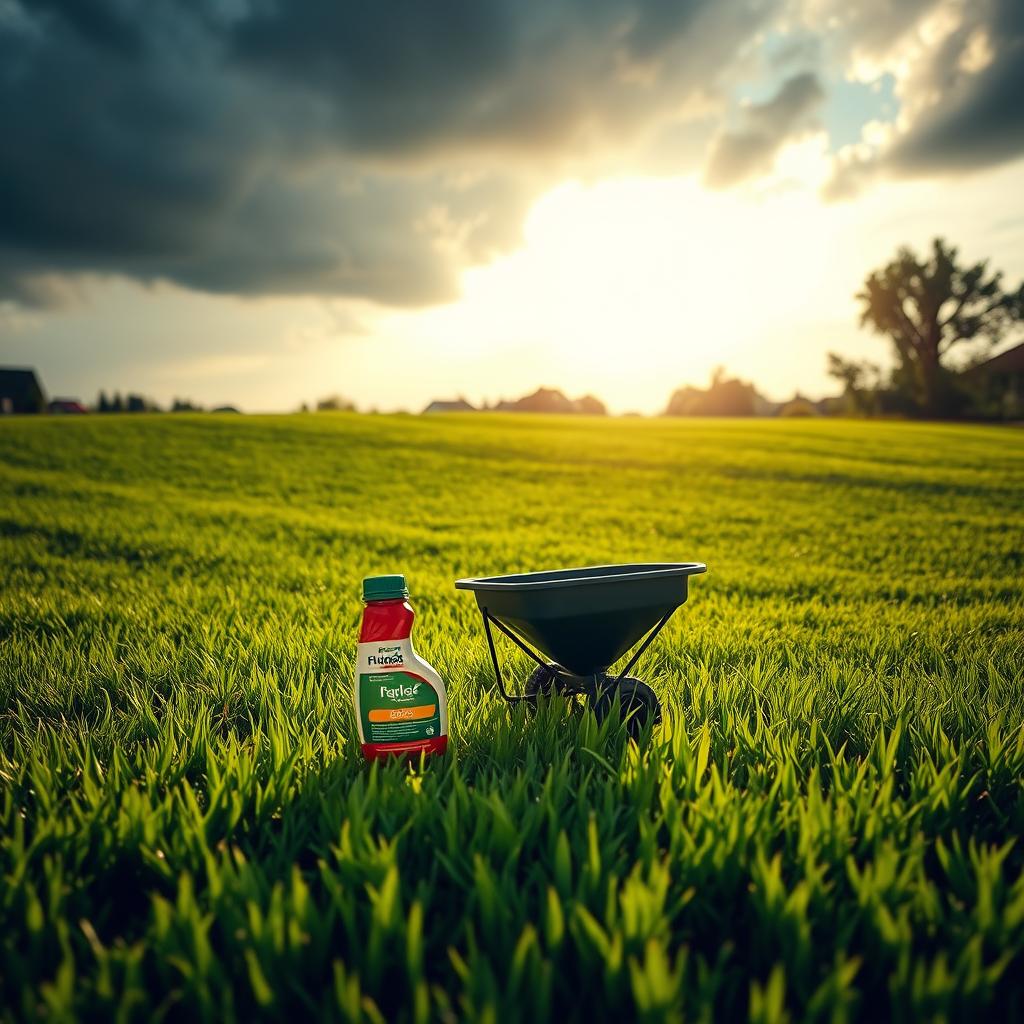
Chemical lawn care can make your lawn look better fast. It gives your grass nutrients quickly and kills weeds fast. This means you can see your lawn improve right away.
Quick Results vs. Environmental Concerns
The fast action of chemical lawn care has both good and bad sides. Safety is a big concern when you think about these benefits:
- Rapid grass growth and greening
- Immediate pest and weed elimination
- Consistent lawn appearance
But, there are risks with synthetic fertilizers. They can pollute water, harm local wildlife, and cause long-term environmental problems.
Health Risks Associated with Chemical Use
It’s important to think about how chemical lawn treatments might affect your health. Exposure to these chemicals can be harmful to:
- Human health through direct contact
- Pet safety in treated areas
- Local wildlife and beneficial insects
Professional lawn care experts suggest using fewer chemicals. They recommend finding safer, more eco-friendly options for your lawn.
Cost Considerations for Lawn Care Choices
Dealing with lawn care costs can be tricky. Homeowners face the challenge of keeping their lawns in good shape without breaking the bank. Knowing the costs of organic versus chemical lawn care helps make smart choices that save money and protect the environment.

- Initial investment for organic treatments tends to be higher
- Chemical approaches often have lower upfront expenses
- Long-term maintenance costs differ significantly
Breaking Down Organic vs. Chemical Expenses
Organic lawn care might seem pricey at first. But, it offers long-term savings. Chemical treatments, on the other hand, require constant use, leading to higher costs over time.
Long-Term Financial Strategies
Choosing organic lawn care means investing in soil health. This choice can save you money in the long run. Homeowners can look forward to:
- Reduced fertilizer needs
- Lower pest control costs
- Less water usage
Pro tip: Calculate your total lawn maintenance expenses over 3-5 years to understand true cost differences between organic and chemical approaches.
“Smart lawn care is about long-term investment, not just immediate results.” – Landscape Management Experts
Maintenance Needs for Organic Lawn Care
Organic lawn care is all about nurturing your lawn’s natural ecosystem. It’s different from traditional methods because it focuses on healthy soil and a sustainable environment. This helps your grass grow strong and green.
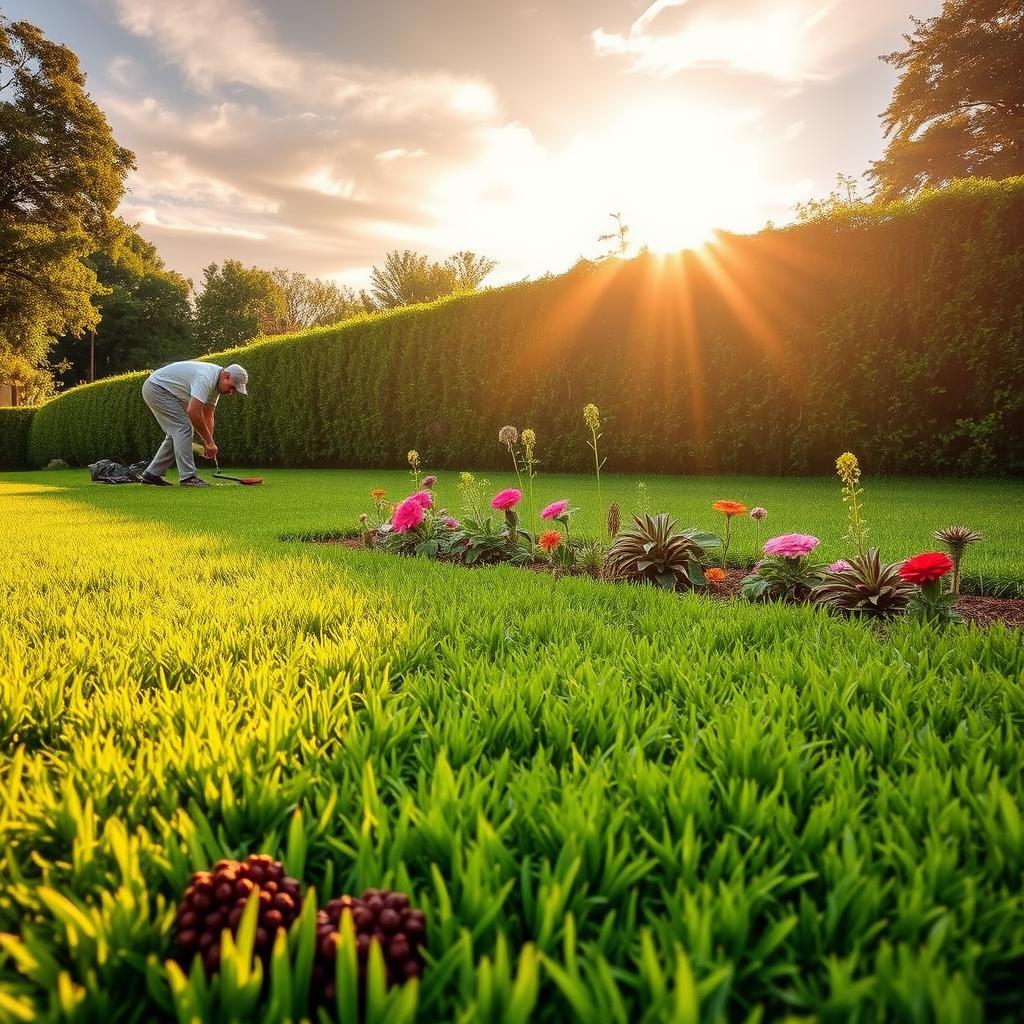
Organic lawn care has several key practices. These practices work together to make your lawn lush and green without using harmful chemicals.
Essential Organic Lawn Maintenance Practices
- Implement regular natural weed control methods
- Practice consistent composting for lawns
- Maintain proper mowing height
- Water deeply but infrequently
- Aerate soil annually
Troubleshooting Common Organic Lawn Challenges
Organic lawns face unique challenges. Nutrient deficiencies, pests, and weeds are common. Homeowners who care for their lawns naturally need to be proactive.
- Conduct soil tests to understand nutrient needs
- Use organic fertilizers to address nutrient gaps
- Introduce beneficial microorganisms
- Implement companion planting strategies
- Monitor lawn health regularly
Natural weed control means managing weeds, not getting rid of them all. Mulching, hand-pulling, and organic herbicides help keep your lawn healthy.
Patience is key in organic lawn maintenance. Results may take longer, but the long-term benefits to your lawn and environment are substantial.
Composting for lawns is essential. It provides nutrients and improves soil structure. By recycling organic materials, you support grass growth naturally.
Maintenance Needs for Chemical Lawn Care
Effective chemical lawn treatments need careful planning and precise application. Homeowners aiming for the best lawn health must grasp the details of managing their lawn’s chemical care.
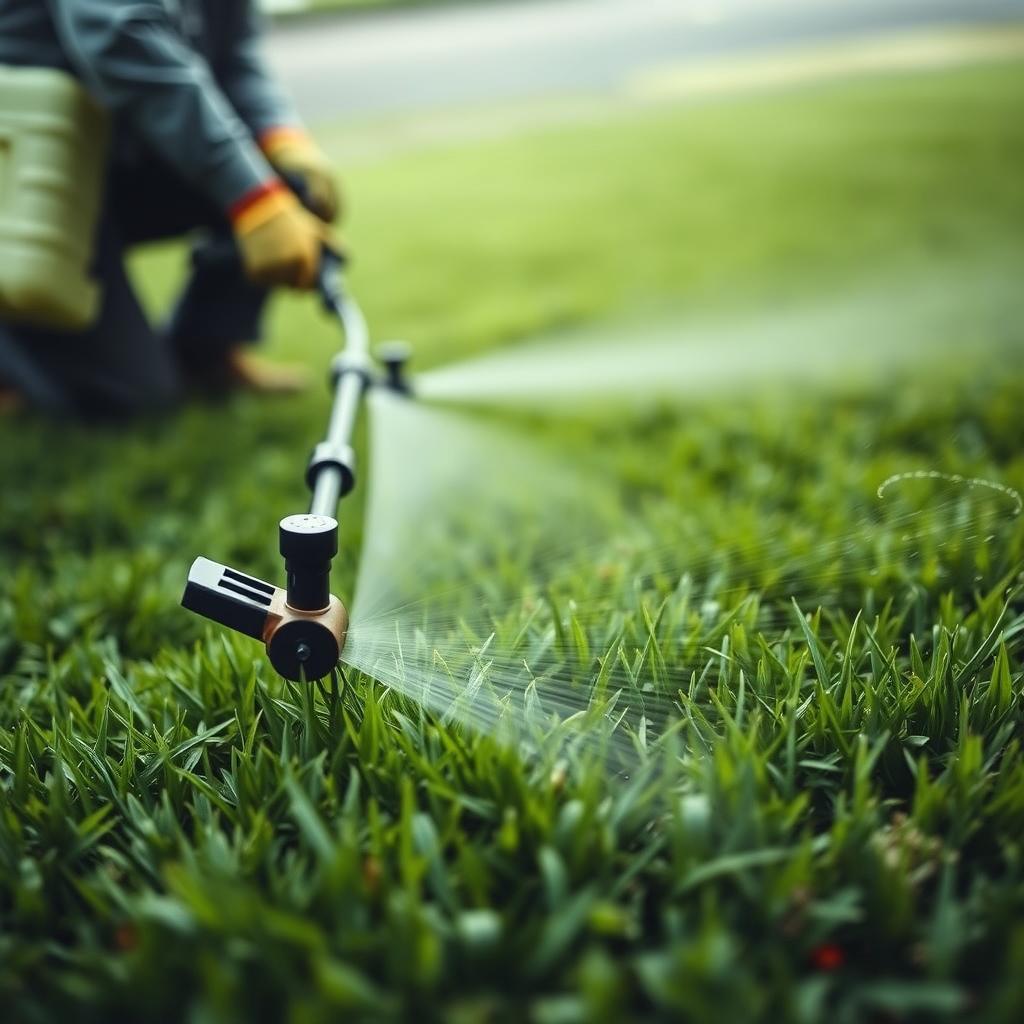
Chemical lawn treatments require a strategic approach to pest control and weed management. Successful maintenance involves several key steps:
- Develop a consistent treatment schedule
- Understand specific product application guidelines
- Monitor lawn response to chemical treatments
- Protect surrounding environment during application
Scheduling Treatments and Applications
Timing is key when applying chemical lawn treatments. Seasonal factors greatly affect treatment success:
- Spring: Pre-emergent weed prevention
- Summer: Pest control and active growth management
- Fall: Root strengthening and winter preparation
- Winter: Minimal treatment, protective applications
Managing Pests and Weeds Effectively
Targeted pest control for lawns requires precision and knowledge. Homeowners should:
- Identify specific lawn pests and weeds
- Select appropriate chemical treatments
- Apply treatments at recommended concentrations
- Use protective equipment during application
Professional advice can help create a detailed weed management plan suited to your lawn’s specific needs.
Making the Right Choice for Your Lawn
Choosing the right lawn care can be tough with so many options. People want a lawn care plan that works well and is good for the planet.
- Your local climate and soil conditions
- Budget constraints
- Time available for lawn maintenance
- Environmental concerns
- Personal health preferences
Exploring a Hybrid Lawn Care Approach
A hybrid lawn care method is a smart choice for those looking for a balance. It mixes organic and chemical treatments. This way, you get a personalized lawn maintenance plan that fits your needs.
“The most effective lawn care is one that adapts to your unique landscape and lifestyle.” – Landscape Design Expert
Practical Strategies for Balanced Lawn Care
To make a hybrid lawn care plan work, follow these steps:
- Conduct a thorough soil test
- Find out what challenges your lawn faces
- Pick the right treatments
- Keep an eye on it and make changes as needed
By choosing a flexible and well-informed lawn care plan, you can have a beautiful lawn. You’ll also help the environment and keep your health in check.
Resources for Lawn Care Enthuisiasts
Learning more about lawn care can make your outdoor space amazing. There are many resources for those who love gardening. You can find books, online guides, and even join local groups to learn more.
Community gardening groups are great for learning lawn care tips. Local garden centers and extension offices host workshops. These events let you meet experienced gardeners and learn from them.
Some top books for gardening include “Organic Lawn Care” by Paul Tukey and “The Lawn Bible” by David Mellor. They cover soil health and pest control. You can also find free tutorials on YouTube and gardening forums.
If you want specific advice, talk to local lawn care experts or master gardeners. They can give you tips that fit your area’s weather and soil. This way, you can create a lawn care plan that’s just right for you.