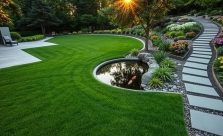
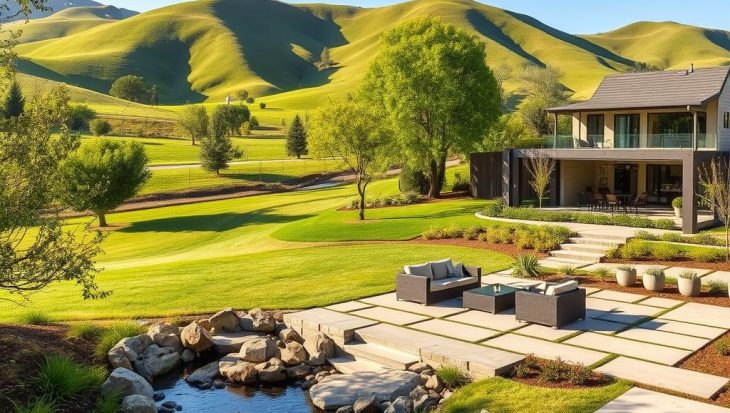
Outdoor design turns empty spaces into lively areas through landscaping and hardscaping. Knowing the difference between these two is key to making outdoor spaces beautiful and useful.
Landscaping uses living things like plants, trees, and grass to bring life to outdoor areas. Hardscaping, on the other hand, deals with non-living parts like patios, walkways, and walls. Together, they create spaces that look good and are easy to use.
Looking into landscaping vs hardscaping, homeowners find a way to make outdoor areas that show their style and increase their home’s value. Each method adds something special to a complete landscape design plan.
Key Takeaways
- Landscaping features living plant materials
- Hardscaping includes structural, non-living elements
- Both approaches are essential for complete outdoor design
- Design strategies can improve property looks and use
- Proper integration creates balanced outdoor spaces
Understanding the Fundamentals of Outdoor Design
Garden design turns simple outdoor areas into amazing living spaces. It needs a mix of creativity and planning. Good landscape design adds to your home’s look and feel.
Good garden design includes several key parts. These parts work together to make spaces that are welcoming and balanced:
- Spatial organization and flow
- Visual balance and proportion
- Color and texture integration
- Environmental considerations
Basic Elements of Landscape Architecture
Professional landscape architects aim to make outdoor spaces that feel like part of your home. They consider:
- Topography and terrain analysis
- Climate and regional plant characteristics
- Sustainable design principles
- Functional space allocation
Key Components of Outdoor Spaces
Creating great garden design means knowing the key parts of outdoor areas. These include:
- Hardscape elements like pathways and seating
- Softscape parts like plants and trees
Design Principles for Gardens and Yards
Good outdoor spaces follow basic design rules. Unity, rhythm, and proportion help make spaces that look good and work well. By picking the right materials and plants, you can make a space that shows your style and meets your needs.
What is the Difference Between Landscaping and Hardscaping

Knowing the difference between landscaping and hardscaping is key to making outdoor spaces look great. These two methods work together to turn yards and gardens into places that are both beautiful and useful.
Landscaping mainly focuses on living things that grow and change. This includes:
- Planting trees and shrubs
- Creating flower beds
- Designing green spaces
- Managing lawn and garden areas
Hardscaping, on the other hand, deals with non-living parts that give shape and function to outdoor areas. Important hardscaping features are:
- Patios and walkways
- Retaining walls
- Outdoor kitchen areas
- Stone or concrete structures
The relationship between softscaping vs hardscaping is like a partnership. Landscaping adds life and beauty, while hardscaping adds structure and use to outdoor spaces.
| Landscaping Characteristics | Hardscaping Characteristics |
|---|---|
| Living, organic elements | Permanent, structural components |
| Requires ongoing maintenance | Low maintenance design |
| Changes with seasons | Remains consistent year-round |
Professional landscape designers know how to mix these two approaches. They create outdoor spaces that are both stunning and practical. The key is integration – blending living plants with structural elements to make a welcoming and cohesive environment.
Exploring Traditional Landscaping Elements
Landscaping turns outdoor areas into beautiful art. It needs careful planning and a grasp of nature’s elements. The mix of trees, shrubs, flowers, and lawn care makes stunning spaces that show off your style and care for the environment.
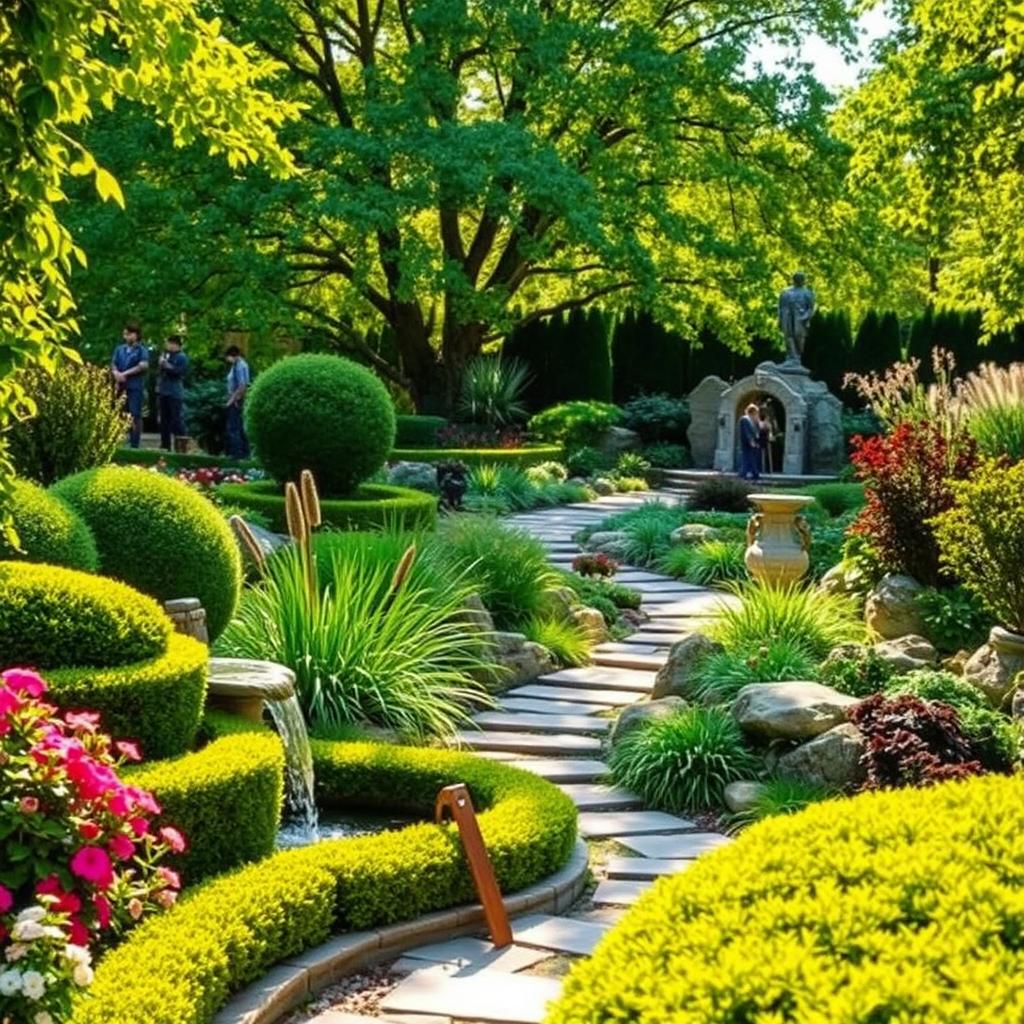
Traditional landscaping elements are key to lovely outdoor areas. Each part is vital for a unified and eye-catching garden design.
Trees and Shrubs in Garden Design
Trees and shrubs have many roles in landscaping:
- They give structure to the garden
- They make natural privacy screens
- They offer shade and control temperature
- They add interest with different shapes and textures
Flower Beds and Plant Selection
Choosing the right plants makes landscaping stand out. Think about these when picking plants for flower beds:
- How much sunlight they need
- The soil type
- The local weather
- The colors you want
| Plant Type | Sunlight Needs | Bloom Season |
|---|---|---|
| Lavender | Full Sun | Summer |
| Hydrangea | Partial Shade | Late Spring-Fall |
| Peony | Full Sun | Late Spring |
Lawn Care and Maintenance
Keeping a lawn healthy needs regular care. Right mowing, watering, and fertilizing make a lush, green lawn that matches your garden.
- Mow at the right height
- Water deeply but not too often
- Use seasonal fertilizers
- Keep weeds and pests away
Essential Hardscaping Features and Materials
Hardscaping makes outdoor spaces better by adding structures that look good and work well. Features like patios, decks, walls, walkways, and driveways are key. They help create beautiful and useful outdoor areas.
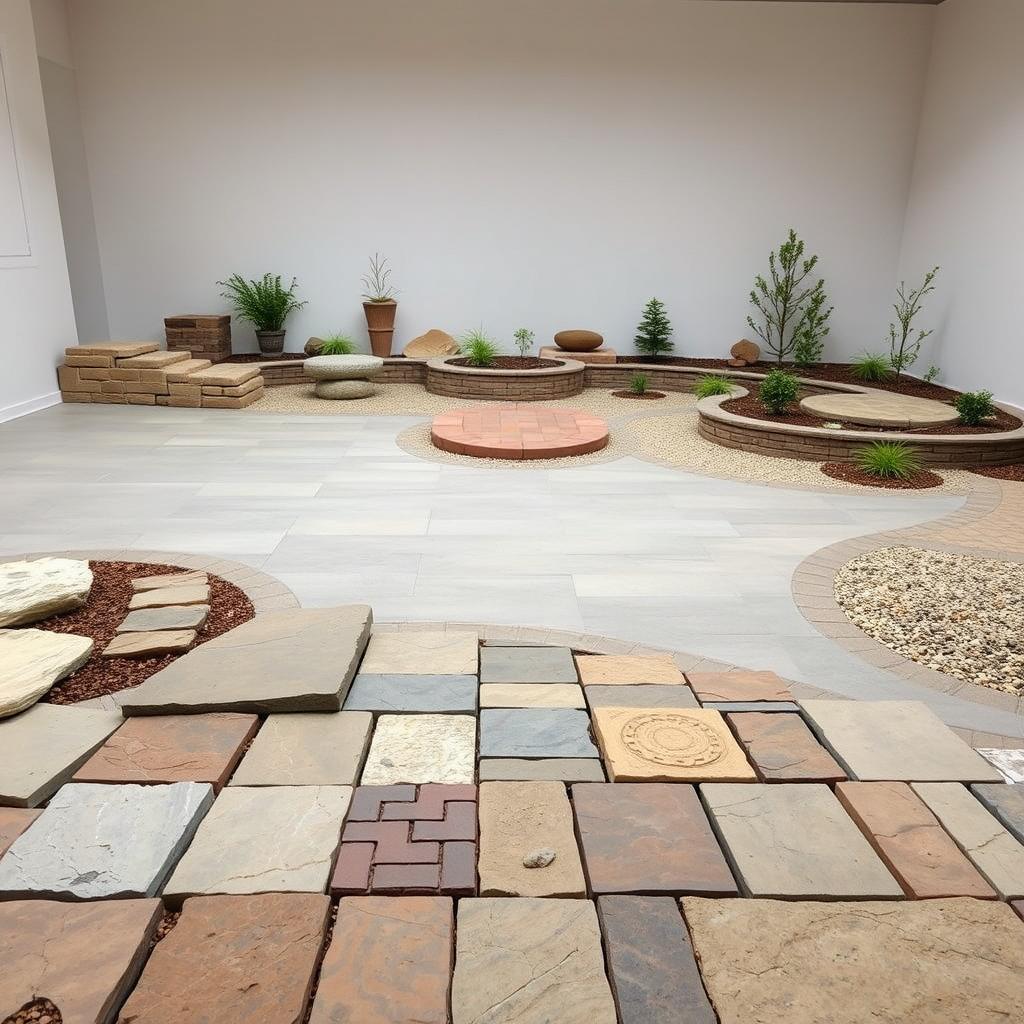
Homeowners have many choices for hardscaping materials. These choices can greatly affect the look and lasting power of outdoor spaces:
- Natural stone for elegant and timeless retaining walls
- Concrete pavers for versatile walkways and driveways
- Wooden decks for warm and inviting outdoor living areas
- Brick materials for classic and structured patios
Each hardscaping material has its own benefits. Durability, maintenance, and how well they fit with the landscape are important to think about. These factors help decide what materials to use for hardscaping projects.
| Material | Best Used For | Durability Rating |
|---|---|---|
| Natural Stone | Retaining Walls, Walkways | High |
| Concrete Pavers | Driveways, Patios | Medium-High |
| Wooden Decking | Outdoor Living Spaces | Medium |
Experts say it’s important to think about your environment, budget, and maintenance plans when picking hardscaping materials. Each material has its own look and performance. It’s key to choose wisely for your outdoor design.
The Role of Softscaping in Garden Design
Softscaping is key in garden design, adding life, color, and beauty to outdoor areas. It focuses on living plants, turning landscapes into vibrant, changing environments. This is different from hardscaping, which deals with structures.
Designing a garden means choosing plants that add interest and function. Softscaping does more than just decorate. It helps create useful outdoor spaces.
Seasonal Plant Considerations
Understanding plant lifecycles and seasonal changes is vital for softscaping. By picking plants that bloom at different times, gardens stay beautiful all year.
- Spring: Flowering bulbs and early perennials
- Summer: Vibrant annuals and full-bloom perennials
- Fall: Plants with rich autumn colors
- Winter: Evergreens and plants with interesting bark textures
Creating Living Privacy Screens
Living privacy screens are a natural alternative to fences. With careful planning, softscaping can create beautiful barriers that offer privacy and enhance the landscape.
| Plant Type | Height | Growth Rate | Privacy Potencial |
|---|---|---|---|
| Arborvitae | 10-20 feet | Fast | Excellent |
| Bamboo | 15-30 feet | Very Fast | Superior |
| Privet | 4-15 feet | Moderate | Good |
Water Features and Natural Elements
Adding water features to softscaping can greatly change garden design. Fountains, ponds, and streams offer sensory experiences that enhance plant choices.
By understanding softscaping vs hardscaping, homeowners can create outdoor spaces that mix structure with natural beauty. The secret is in choosing plants wisely and placing them thoughtfully.
Popular Hardscaping Projects and Structures

Hardscaping makes outdoor spaces better by adding useful and beautiful parts. It boosts your property’s value and makes it more fun to use. Homeowners can pick from many cool hardscaping projects to make their outdoor areas amazing.
Patios and decks are key hardscaping choices that make outdoor living better. They’re great for parties, chilling out, and family time. The look of your patio or deck changes a lot based on what materials you pick, like stone, concrete, or composite decking.
- Patios: Ground-level outdoor living spaces
- Decks: Elevated wooden or composite platforms
- Retaining walls: Structural landscape features
- Walkways: Connecting different landscape areas
- Driveways: Essential property access points
Retaining walls do a lot in hardscaping. They stop soil from washing away and add beauty and divide the landscape. You can pick from stone, concrete blocks, or wood to fit your home’s look.
| Hardscaping Project | Average Cost Range | Typical Duration |
|---|---|---|
| Patio Installation | $3,000 – $8,000 | 1-2 weeks |
| Deck Construction | $4,000 – $12,000 | 2-3 weeks |
| Retaining Wall | $2,500 – $7,500 | 3-5 days |
Walkways and driveways are important for getting around and looking good. Well-made walkways lead visitors through your yard nicely. Driveways, when done right, look good and work well.
Combining Landscaping and Hardscaping Elements
To make outdoor spaces beautiful and functional, we need to mix landscaping and hardscaping. This mix turns yards into beautiful parts of your home. It blends nature with man-made features smoothly.

Balance in Design
Getting the right balance between landscaping and hardscaping takes careful planning. Designers aim for harmony by:
- Matching material textures and colors
- Proportioning soft and hard elements
- Ensuring smooth visual transitions
Creating Functional Outdoor Living Spaces
Today’s outdoor spaces are both beautiful and useful. They can be set up for many activities by combining landscaping and hardscaping.
| Landscaping Element | Hardscaping Element | Combined Benefit |
|---|---|---|
| Native Plants | Stone Patio | Low-maintenance, visually appealing entertainment area |
| Shade Trees | Pergola | Natural cooling and structured outdoor room |
| Garden Beds | Retaining Wall | Elevated planting zones with structural support |
Transitional Areas and Flow
Good outdoor design makes sure different areas flow well together. Paths, matching materials, and gentle slopes help people move easily through the space.
Maintenance Requirements: Softscape vs Hardscape

Creating outdoor spaces means knowing the upkeep needs of softscaping and hardscaping. Each landscaping style needs different care and attention all year.
Softscaping upkeep is more ongoing. It includes plants, trees, and lawns that need regular care to stay healthy. Homeowners must remember seasonal tasks like:
- Pruning trees and shrubs
- Fertilizing garden beds
- Watering during dry periods
- Controlling weeds and pests
- Seasonal planting and replanting
Hardscaping, on the other hand, is more durable and needs less care. It includes things like concrete patios, stone walkways, and rock gardens. Hardscaping upkeep is simpler and includes:
- Occasional power washing
- Sealing surfaces every few years
- Checking for structural integrity
- Removing debris
Success in landscaping comes from mixing softscape and hardscape. Good design balances maintenance with beauty and function. Homeowners should think about their time, budget, and likes when designing outdoor areas.
Effective landscape design is about creating a harmonious environment that requires manageable maintenance.
Professional landscaping services can guide homeowners in creating upkeep plans. These plans keep outdoor spaces beautiful all year, whether focusing on softscaping, hardscaping, or a mix of both.
Cost Considerations and Investment Value
Planning your outdoor living space needs careful thought. You have to choose between landscaping and hardscaping. Both can boost your property’s value and make your outdoor area more useful.

Knowing the costs of outdoor design helps you make smart choices. You can balance beauty with long-term value.
Budget Planning for Outdoor Projects
Managing your budget for outdoor spaces involves several things:
- Initial installation costs
- Material selection
- Maintenance expenses
- Potential property value increase
Long-term Value Assessment
Choosing between landscaping and hardscaping affects your return on investment. Smart choices can make your property more attractive to buyers.
| Project Type | Average Cost | Potential Value Increase |
|---|---|---|
| Basic Landscaping | $3,000 – $5,000 | 5-11% Property Value |
| Comprehensive Hardscaping | $10,000 – $25,000 | 12-15% Property Value |
| Integrated Outdoor Living Space | $20,000 – $50,000 | 15-20% Property Value |
Return on Investment Analysis
Well-planned outdoor spaces can bring substantial financial benefits. Hardscaping, like patios and walkways, often gives better returns than landscaping.
Strategic outdoor investments turn outdoor spaces into valuable assets.
Smart homeowners see outdoor spaces as smart investments. They boost property value and add to personal enjoyment.
Sustainable Practices in Landscaping and Hardscaping
Sustainable landscaping and hardscaping are key for eco-friendly homeowners. They aim to make outdoor spaces beautiful while protecting the environment. This approach helps save natural resources and reduces harm to nature.
Designing gardens with the environment in mind is very important. Eco-friendly methods can greatly lessen our impact on the planet. Some effective techniques include:
- Selecting native plant species that need little water
- Setting up rainwater harvesting systems
- Using methods that save water in landscaping
- Creating homes for wildlife
Hardscaping also offers chances for green design. Using materials that let water pass through can help the ground absorb it. Recycled materials like reclaimed stone or eco-friendly concrete can make gardens look great while helping the planet.
Water saving is a big part of green outdoor spaces. New hardscaping ideas like:
- Drip irrigation systems
- Greywater recycling
- Smart water management tech
Adding energy-saving lights and solar-powered features can make spaces even greener. By using these methods, homeowners can build beautiful, useful outdoor areas. These areas not only look good but also care for the environment and cut down on harm.
Conclusion
Knowing the difference between landscaping and hardscaping is key to making your outdoor space amazing. Landscaping is about plants, trees, and gardens. Hardscaping adds structures like patios and walkways. Both are important for beautiful and useful outdoor areas.
Creating a great outdoor design means mixing landscaping and hardscaping well. You can make a unique space by blending soft, natural elements with solid structures. The goal is to make a design that shows your style and meets your needs.
Experts say to think big when designing your outdoor space. Understanding the difference between landscaping and hardscaping helps make spaces that are beautiful, green, and useful. Planning carefully can make your outdoor area more valuable and fun to use.
Whether you’re redoing your whole backyard or just making small changes, knowing how landscaping and hardscaping work together is important. Your outdoor area becomes a special part of your home. It’s a place that’s both beautiful and practical.