Turning your home’s outside into a stunning view doesn’t need a big budget or a pro. With smart landscaping tips, you can make your home look amazing and leave a great first impression. Your outdoor space is a chance to show off your style and boost your home’s value.
Creating a welcoming landscape is more than just mowing the lawn. Choosing the right design can make your home pop in the neighborhood. Whether you’re selling or just want a nicer place to live, these tips will make a big difference.
Landscaping pros know curb appeal is about mixing design elements well. From picking the best plants to using smart hardscaping, every little thing adds up. It makes your home’s outside look great and shows off its unique character.
Key Takeaways
- Implement strategic landscaping to boost property value
- Create visual interest through diverse design elements
- Focus on low-maintenance, high-impact design choices
- Balance aesthetic appeal with practical functionality
- Use professional design principles for maximum effect
Why Curb Appeal Matters for Homeowners
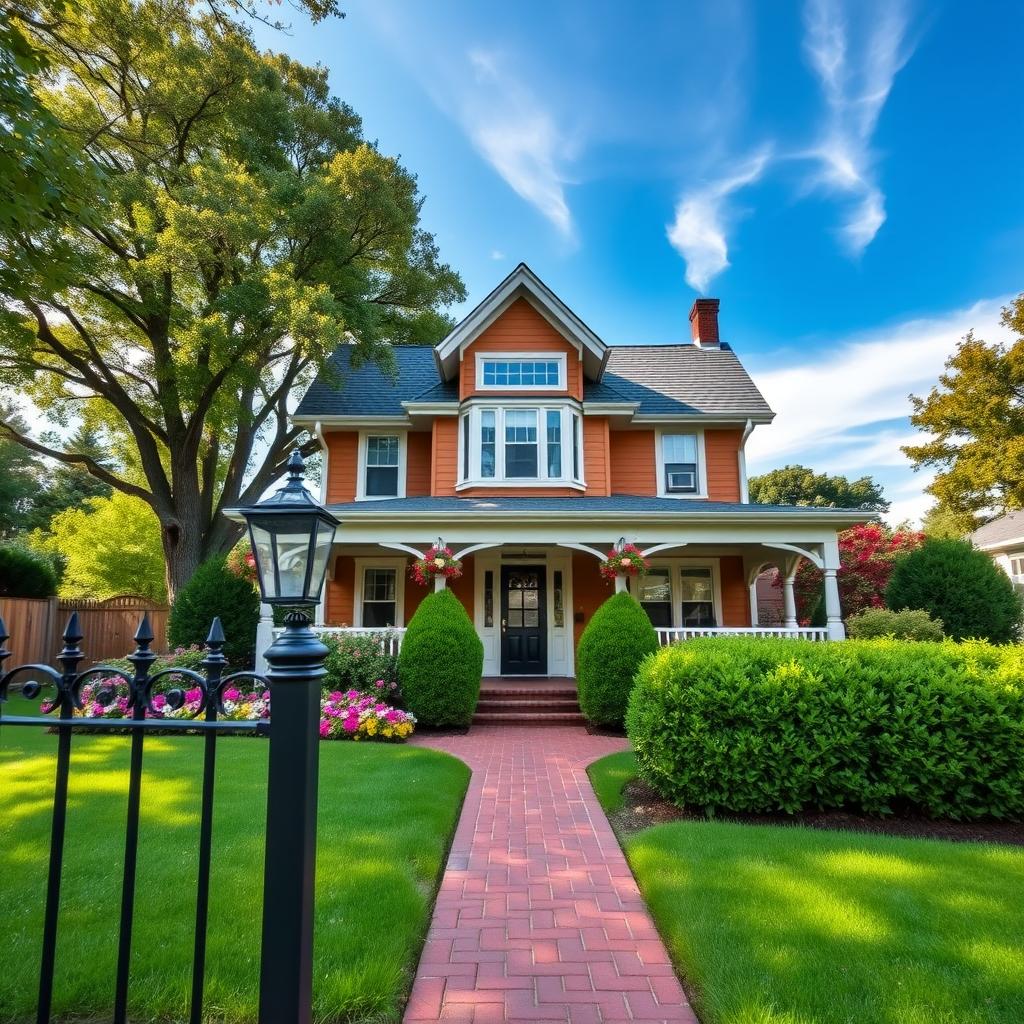
First impressions are key in real estate, and curb appeal is vital. It shows how buyers and neighbors see your home. The outside of your house tells a lot before anyone goes inside. This makes curb appeal very important for your home’s value and how it looks on the market.
Defining Curb Appeal
Curb appeal is how attractive a property looks from the street. It includes landscaping, paint, architectural details, and upkeep. A nice-looking outside can really change how people see your home’s value.
- Landscaping quality
- Exterior condition
- Architectural design
- Color scheme and paint
- Cleanliness and maintenance
The Impact on Property Value
Improving curb appeal can really increase your home’s value. Experts say that good exterior work can raise your home’s value by 5-11%. Buyers often decide quickly based on a home’s outside look. So, curb appeal is a big selling point.
| Improvement | Potential Value Increase |
|---|---|
| Landscaping Upgrade | 7-12% |
| Fresh Paint | 5-10% |
| Exterior Lighting | 3-5% |
Homeowners who focus on curb appeal make their homes look better and invest wisely. A nice-looking outside can draw more buyers, sell faster, and get a better price.
Plan Your Landscape Design
Creating a stunning outdoor space starts with careful planning. Successful Landscaping Ideas need a strategic approach. This transforms your yard into a beautiful and functional environment. Before digging or planting, develop a detailed Outdoor Design strategy. It should reflect your home’s unique character and your personal style.
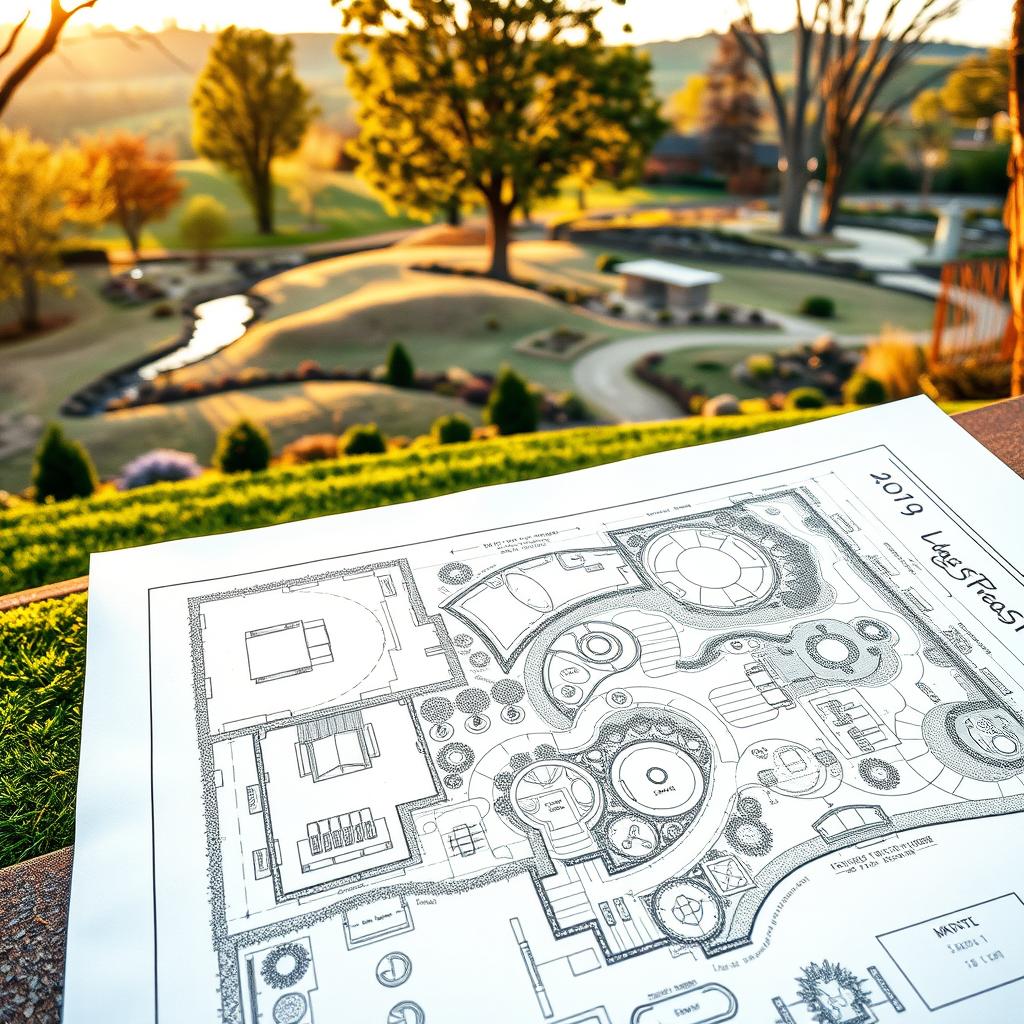
Professional landscape designers suggest starting with a clear vision. They also recommend a thorough assessment of your existing space. Consider these critical elements when planning your landscape design:
- Evaluate your property’s natural topography
- Analyze sunlight and shade patterns
- Assess soil quality and drainage conditions
- Understand your local climate and plant hardiness zone
Choosing a Central Focal Point
Every exceptional landscape design needs a compelling centerpiece. This focal point could be a striking architectural feature, a distinctive tree, an elegant water feature, or a sculptural element. It draws the eye and creates visual interest.
Creating a Balanced Layout
Achieving a harmonious Outdoor Design involves creating visual balance and proportion. Think of your landscape as an artistic composition. Each element contributes to the overall aesthetic. Use symmetry, repetition, and strategic placement to develop a cohesive and appealing outdoor environment. It should complement your home’s architecture.
- Align landscape elements with your home’s structural lines
- Create smooth transitions between different garden zones
- Use varied plant heights and textures for visual depth
Select the Right Plants
Creating a stunning Front Yard Landscape starts with choosing the right plants. The right Garden Design turns an ordinary yard into a breathtaking space. It shows off your style and boosts your home’s look.
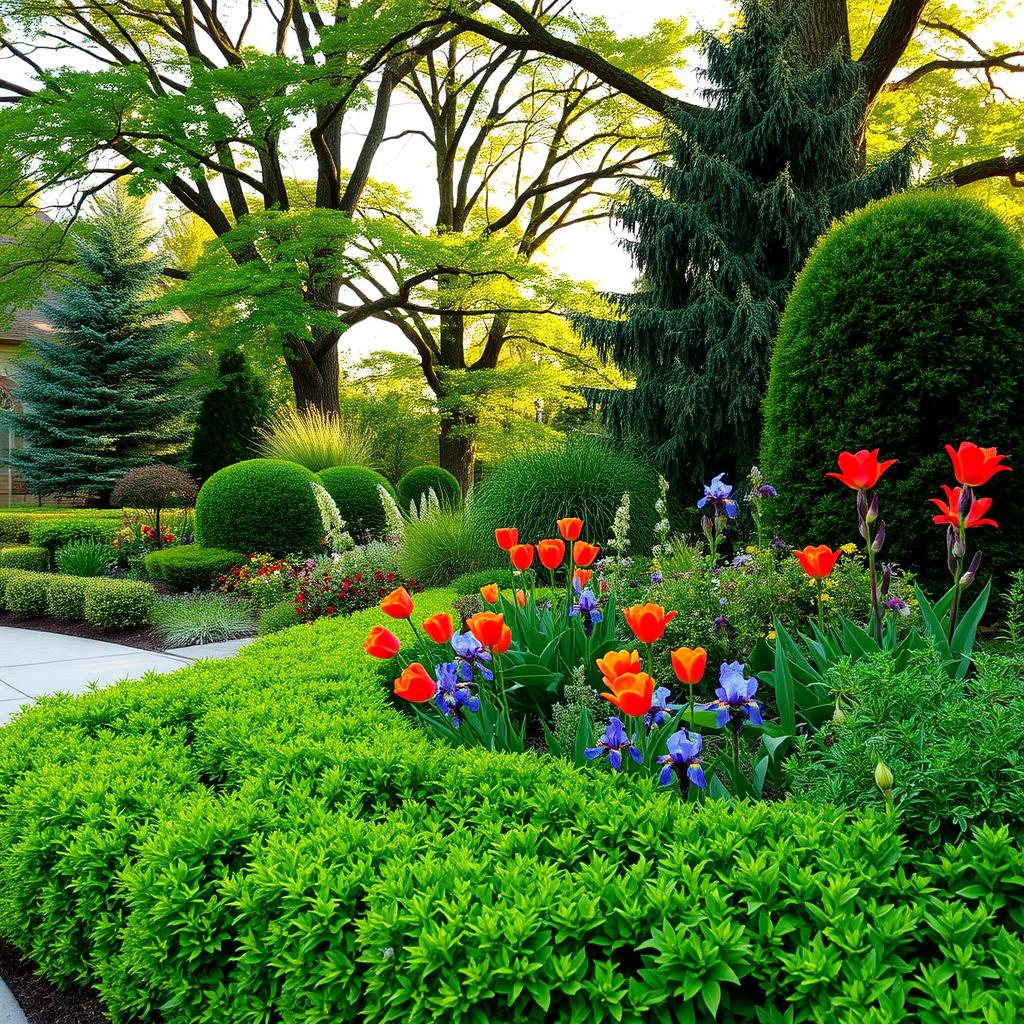
Choosing plants is more than picking pretty flowers. It’s about creating a harmonious ecosystem that thrives in your specific environment.
Native Plants for Low Maintenance
Native plants are the secret to an effortless Front Yard Landscape. These plants are naturally adapted to local conditions. This means:
- Reduced water requirements
- Minimal fertilizer needs
- Higher resistance to local pests
- Support for local wildlife
“Native plants are the backbone of sustainable Garden Design” – Landscape Design Experts
Seasonal Blooms for Year-Round Color
A dynamic Garden Design includes plants that bloom in different seasons. This keeps your Front Yard Landscape vibrant all year.
- Spring: Tulips and Daffodils
- Summer: Lavender and Black-Eyed Susans
- Fall: Chrysanthemums and Asters
- Winter: Evergreen shrubs and ornamental grasses
Consider Texture and Height
For visual interest, mix plants with different textures and heights. A well-planned Garden Design uses layers. This adds depth and dimension to your Front Yard Landscape.
- Ground covers for low-lying areas
- Medium-height perennials for mid-layer
- Tall shrubs or trees for background structure
Pro tip: Always consider your local climate and soil conditions when selecting plants for maximum success.
Enhance Your Lawn
Creating a stunning outdoor space starts with a healthy, vibrant lawn. Lawn care tips are key for homeowners wanting to improve their outdoor area and boost curb appeal. A well-kept lawn is the base of a beautiful landscape, making your property look lush and green.
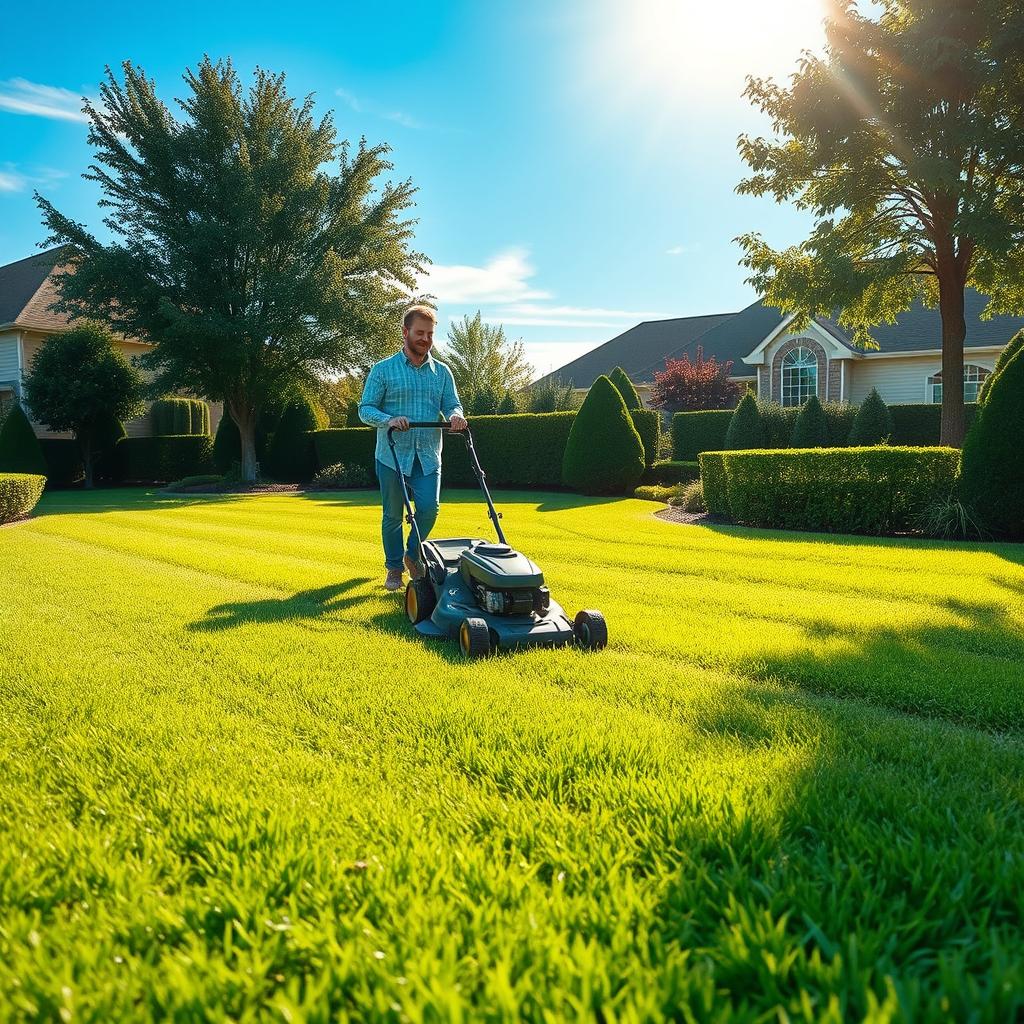
Successful lawn care needs careful planning and regular upkeep. Knowing your grass type and local climate is vital for a perfect lawn.
Regular Maintenance Tips
- Mow grass at the optimal height for your specific grass type
- Water deeply but infrequently to encourage strong root growth
- Aerate the lawn annually to improve soil health
- Remove weeds promptly to prevent spreading
Choosing the Right Grass Type
Picking the right grass variety is key for lawn success. Think about these factors when choosing:
- Climate zone
- Sunlight exposure
- Soil conditions
- Expected foot traffic
Techniques for a Healthy Lawn
Keeping a lush lawn is more than basic care. Professional lawn care tips include:
- Implement a seasonal fertilization schedule
- Practice proper watering techniques
- Monitor for pest and disease issues
- Overseed thin or damaged areas
A beautiful lawn doesn’t happen by accident – it requires dedication and knowledge.
By following these lawn care tips, homeowners can turn their outdoor space into a vibrant, welcoming landscape. This enhances property value and makes a stunning first impression.
Incorporate Hardscaping Elements
Transforming your outdoor space needs smart hardscaping. It should look good and work well. Experts say hardscaping makes your space more inviting and useful.
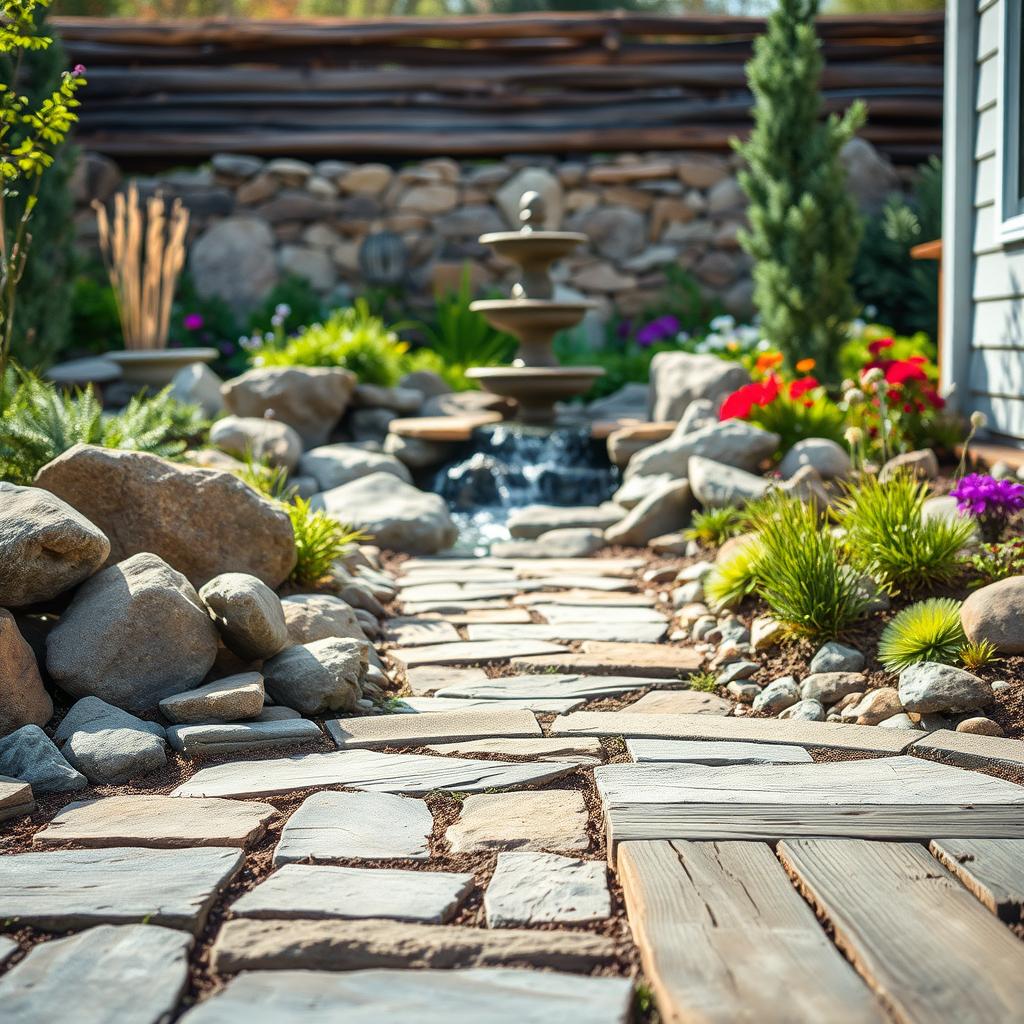
Hardscaping is more than just decoration. It adds structure and makes your landscape better.
Benefits of Walkways and Patios
- Improve property accessibility
- Create visual flow between outdoor spaces
- Increase functional living areas
- Enhance overall property value
Choosing the Right Materials
Picking the right materials is key for good hardscaping. Each material has its own benefits and looks.
| Material | Durability | Cost | Aesthetic Appeal |
|---|---|---|---|
| Natural Stone | High | Expensive | Elegant |
| Concrete Pavers | Medium | Moderate | Versatile |
| Brick | High | Moderate | Classic |
Planning for Drainage Solutions
Good drainage stops water damage and keeps your landscape looking great. Proper grading and choosing the right materials help water flow away from your home and prevent erosion.
“Good hardscaping is not just about beauty, but about creating functional, sustainable outdoor spaces.” – Landscape Design Professional
Experts say adding drainage solutions to your design is smart. It protects your investment and makes your outdoor space beautiful.
Use Edging to Define Spaces
Expert landscaping tips show that edging can change your front yard. It makes borders clean and defined. This boosts your yard’s look, making it look polished and professional.
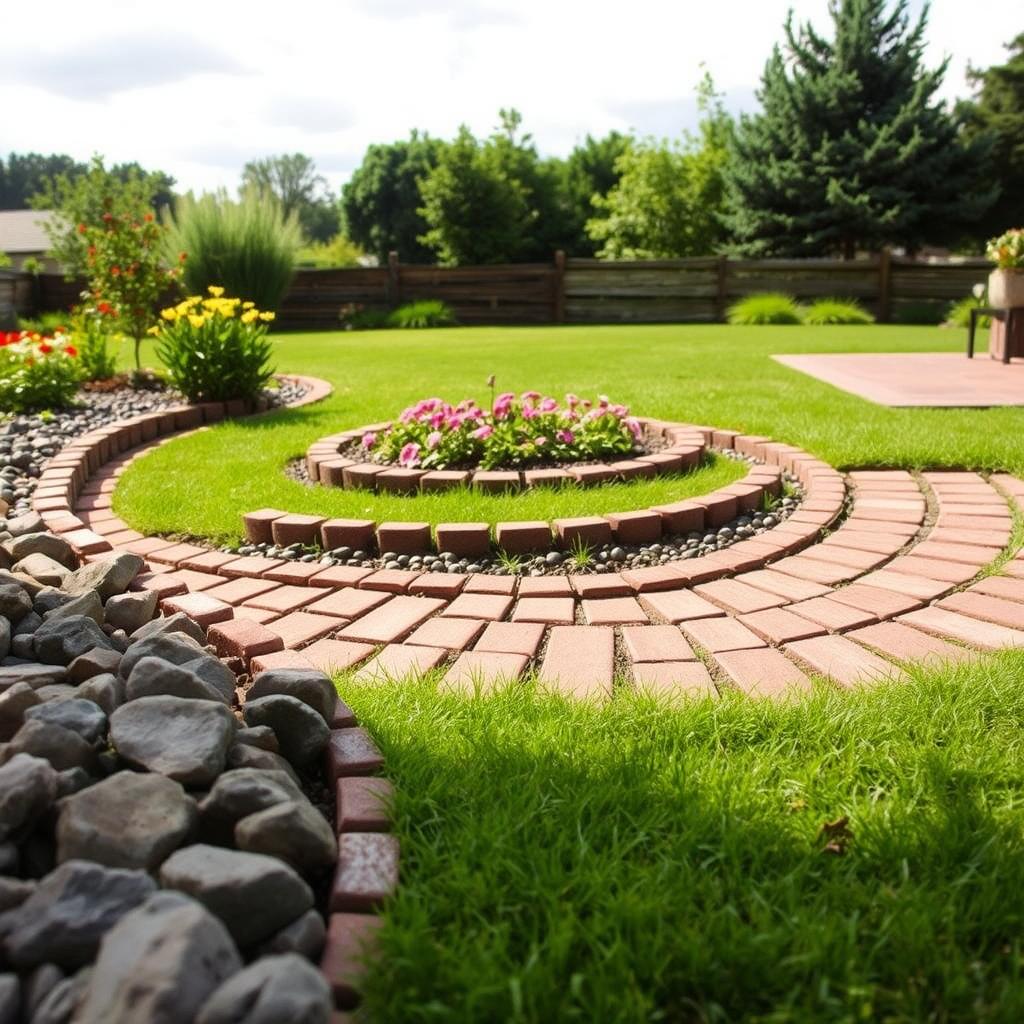
Edging does more than just look good. It keeps grass out of garden beds. It also makes your yard look structured and neat.
Types of Edging Materials
Choosing the right edging material is key. Here are some popular ones:
- Stone Edging: Natural and durable, perfect for rustic borders
- Brick Edging: Classic look that adds traditional charm
- Plastic Edging: Affordable and easy to install
- Metal Edging: Sleek, modern appearance with long-lasting durability
- Wooden Edging: Warm and natural, great for organic designs
Effective Installation Tips
Here are some tips for installing edging:
- Dig a clean, straight trench for precise alignment
- Ensure proper depth for stability
- Use landscape fabric to prevent weed growth
- Compact the soil around the edging for secure placement
- Consider using connectors for seamless transitions
By choosing and installing edging well, you can make your front yard stand out. It creates defined spaces that show off your home’s unique style.
Add Color with Flower Beds
Garden design turns simple outdoor areas into lively scenes. Flower beds are key to making these spaces pop. They draw attention from visitors and can boost your home’s appeal.
To make flower beds stand out, plan carefully and choose plants wisely. The right mix of colors, sizes, and textures can make your garden look amazing.
Designing Eye-Catching Borders
Here are tips for designing flower bed borders:
- Create layers with different plant heights
- Use bold, contrasting colors
- Maintain symmetry and balance
- Select plants with complementary bloom times
Companion Planting for Healthier Flowers
Companion planting helps plants grow better and keeps pests away. By grouping plants that work well together, you can make your garden stronger and more beautiful.
| Plant Pair | Benefits |
|---|---|
| Marigolds & Tomatoes | Repels harmful insects |
| Lavender & Roses | Attracts pollinators |
| Basil & Peppers | Improves growth and flavor |
Pro tip: Always research plant compatibility before creating your flower bed to ensure optimal growth and visual harmony.
Illuminate Your Landscape
Lighting makes your outdoor space magical at night. It boosts curb appeal and home security. With smart landscaping, your yard becomes a beautiful nighttime spot that welcomes everyone.
- Enhance safety and security
- Create visual interest after sunset
- Highlight architectural and landscape elements
- Extend outdoor living spaces
Types of Outdoor Lighting
There are many lighting options for different tastes and budgets:
- Solar-powered lights: Eco-friendly and cost-effective
- Low-voltage LED systems: Energy-efficient and long-lasting
- Motion-sensor lights: Increased security and convenience
- Decorative landscape spotlights: Dramatic architectural emphasis
Placement for Maximum Effect
Good outdoor lighting needs careful planning. Focus on lighting walkways, garden beds, trees, and buildings. Mix uplighting, downlighting, and path lighting for depth and interest.
Pro tip: Layer your lighting to create dimension and avoid harsh, flat illumination.
Install Decorative Features
Turning your outdoor area into a beautiful landscape needs careful thought. You should pick decorative elements that show off your style. These elements are key to making your outdoor space interesting and increasing your home’s value.
Decorative features are key to making your landscape stand out. They not only make your space look better but also create special areas that show your personality.
The Role of Fountains and Statues
Fountains and statues can make your outdoor area elegant. They offer many benefits:
- Create a sense of calm
- Make great focal points
- Attract wildlife
- Make your property look better
Unique Options for Personal Touch
Picking the right decorative features is important. You need to think about your landscape’s design and your style. Here are some creative ideas to increase your home’s value:
| Feature | Impact | Cost Range |
|---|---|---|
| Water Fountains | High Visual Appeal | $200-$5000 |
| Garden Sculptures | Artistic Statement | $100-$2500 |
| Decorative Metalwork | Modern Touch | $150-$3000 |
Pro tip: Pick decorative features that match your home’s style and landscape design for the best effect.
Maintenance Tips for Long-Term Appeal
To keep your landscape looking great, you need to care for it regularly. Experts say that keeping up with maintenance is key. It helps your outdoor space stay beautiful and healthy.
Understanding your outdoor space’s needs is important. This way, your property stays vibrant and attractive all year.
Seasonal Clean-Up Essentials
Seasonal maintenance has a few key steps:
- Remove fallen leaves and debris regularly
- Clear dead plant materials before winter
- Protect sensitive plants during harsh weather
- Clean garden tools after each use
Pruning and Mulching Techniques
Pruning and mulching are vital for your landscape’s health. Using the right techniques can greatly improve plant growth and look.
| Plant Type | Pruning Time | Mulching Recommendation |
|---|---|---|
| Shrubs | Late Winter/Early Spring | 2-3 inches organic mulch |
| Perennials | Early Spring | 1-2 inches light mulch |
| Trees | Dormant Season | 3-4 inches wood chip mulch |
By following these lawn care tips and landscaping techniques, you can make a beautiful outdoor space. It will stay stunning all year.
Attract Wildlife to Your Garden
Turn your garden into a lively ecosystem. This makes your outdoor space more vibrant and enjoyable for both humans and wildlife. By choosing the right plants and adding special features, your yard can become a haven for beautiful creatures.
To welcome wildlife, you need more than just flowers. You must plan carefully and understand your local ecosystem.
Creating a Butterfly-Friendly Space
Butterflies add color and life to your garden. To attract them, follow these steps:
- Plant native nectar-rich flowers like milkweed and lavender
- Provide shallow water sources
- Avoid using chemical pesticides
- Create sunny, sheltered areas
Birdhouses and Feeders
Invite birds to your garden with birdhouses and feeders. Different birds like different things, so offer a variety.
| Bird Type | Preferred Feeder | Recommended Food |
|---|---|---|
| Hummingbirds | Nectar Feeder | Sugar water solution |
| Finches | Tube Feeder | Thistle seeds |
| Cardinals | Platform Feeder | Sunflower seeds |
With these wildlife-friendly features, your garden will be lively and full of life. It will support local wildlife and bring you joy every day.
Eco-Friendly Landscaping Practices
Modern homeowners can make their outdoor spaces beautiful and eco-friendly. Sustainable landscaping is more than just looks. It creates yards that are good for the planet. By choosing the right design, you can make your yard look great and help local wildlife.
Using sustainable materials is key in eco-friendly landscaping. Options like reclaimed wood, recycled concrete pavers, and local stone are better for the environment. They also add unique textures that make your yard stand out.
Water Conservation Strategies
Using drought-resistant plants and smart watering saves a lot of water. Native California succulents and rainwater harvesting systems are great for this. They help your yard stay beautiful with less water.
Creating an eco-friendly yard takes planning and creativity. Choose materials that are good for the planet, use water wisely, and pick plants that are local. This way, you can have a stunning outdoor space that’s also kind to nature.
FAQ
How much can landscaping improve my home’s curb appeal?
What are the most cost-effective landscaping improvements?
How often should I maintain my landscaping?
What are the best plants for low-maintenance landscaping?
Can landscaping help with energy efficiency?
How do I choose the right landscape design for my home?
What landscaping features add the most value?
How can I make my landscape more environmentally friendly?
What are common landscaping mistakes to avoid?
How much should I budget for professional landscaping?
FAQ
How much can landscaping improve my home’s curb appeal?
Landscaping can boost your home’s value by up to 20%. It makes a great first impression. Features like flower beds, lawns, and hardscaping can change your home’s look.
What are the most cost-effective landscaping improvements?
Affordable options include mulch, native plants, clean lawn edges, and solar lights. These updates can make your outdoor space better without spending a lot.
How often should I maintain my landscaping?
Keep up with your landscaping. Mow lawns weekly, prune monthly, and plant seasonally. Different plants need different care, like grass or shrubs.
What are the best plants for low-maintenance landscaping?
Native plants are great for easy care. Choose drought-resistant plants like lavender, grasses, succulents, and wildflowers. They need little care and fit your climate well.
Can landscaping help with energy efficiency?
Yes! Trees and shrubs can shade your home, saving on cooling costs. They also block wind, saving on heating. Deciduous trees are very effective.
How do I choose the right landscape design for my home?
Think about your home’s style, climate, and what you like. A Mediterranean home might need xeriscaping. A cottage-style home could look good with layered gardens.
What landscaping features add the most value?
Focus on front yards, hardscaping, lighting, trees, and lawns. These features improve curb appeal the most.
How can I make my landscape more environmentally friendly?
Use native plants, drip irrigation, and rain gardens. Choose organic mulch and avoid chemicals. Composting helps too. These steps help your ecosystem and landscape.
What are common landscaping mistakes to avoid?
Avoid overcrowding, ignoring soil, and bad plant placement. Don’t forget about watering, drainage, and climate. Always plan before changing your landscape.
How much should I budget for professional landscaping?
Costs vary from
FAQ
How much can landscaping improve my home’s curb appeal?
Landscaping can boost your home’s value by up to 20%. It makes a great first impression. Features like flower beds, lawns, and hardscaping can change your home’s look.
What are the most cost-effective landscaping improvements?
Affordable options include mulch, native plants, clean lawn edges, and solar lights. These updates can make your outdoor space better without spending a lot.
How often should I maintain my landscaping?
Keep up with your landscaping. Mow lawns weekly, prune monthly, and plant seasonally. Different plants need different care, like grass or shrubs.
What are the best plants for low-maintenance landscaping?
Native plants are great for easy care. Choose drought-resistant plants like lavender, grasses, succulents, and wildflowers. They need little care and fit your climate well.
Can landscaping help with energy efficiency?
Yes! Trees and shrubs can shade your home, saving on cooling costs. They also block wind, saving on heating. Deciduous trees are very effective.
How do I choose the right landscape design for my home?
Think about your home’s style, climate, and what you like. A Mediterranean home might need xeriscaping. A cottage-style home could look good with layered gardens.
What landscaping features add the most value?
Focus on front yards, hardscaping, lighting, trees, and lawns. These features improve curb appeal the most.
How can I make my landscape more environmentally friendly?
Use native plants, drip irrigation, and rain gardens. Choose organic mulch and avoid chemicals. Composting helps too. These steps help your ecosystem and landscape.
What are common landscaping mistakes to avoid?
Avoid overcrowding, ignoring soil, and bad plant placement. Don’t forget about watering, drainage, and climate. Always plan before changing your landscape.
How much should I budget for professional landscaping?
Costs vary from $1,000 to $20,000+. A mid-range project might cost $5,000 to $10,000. Get quotes and know what you want.
,000 to ,000+. A mid-range project might cost ,000 to ,000. Get quotes and know what you want.